



The Cebu Chamber of Commerce and Industry (CCCI) is setting a clear direction for 2026: reclaim Cebu’s narrative, strengthen competitive business ecosystems, and speak with one unified voice to government.

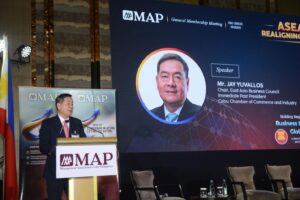
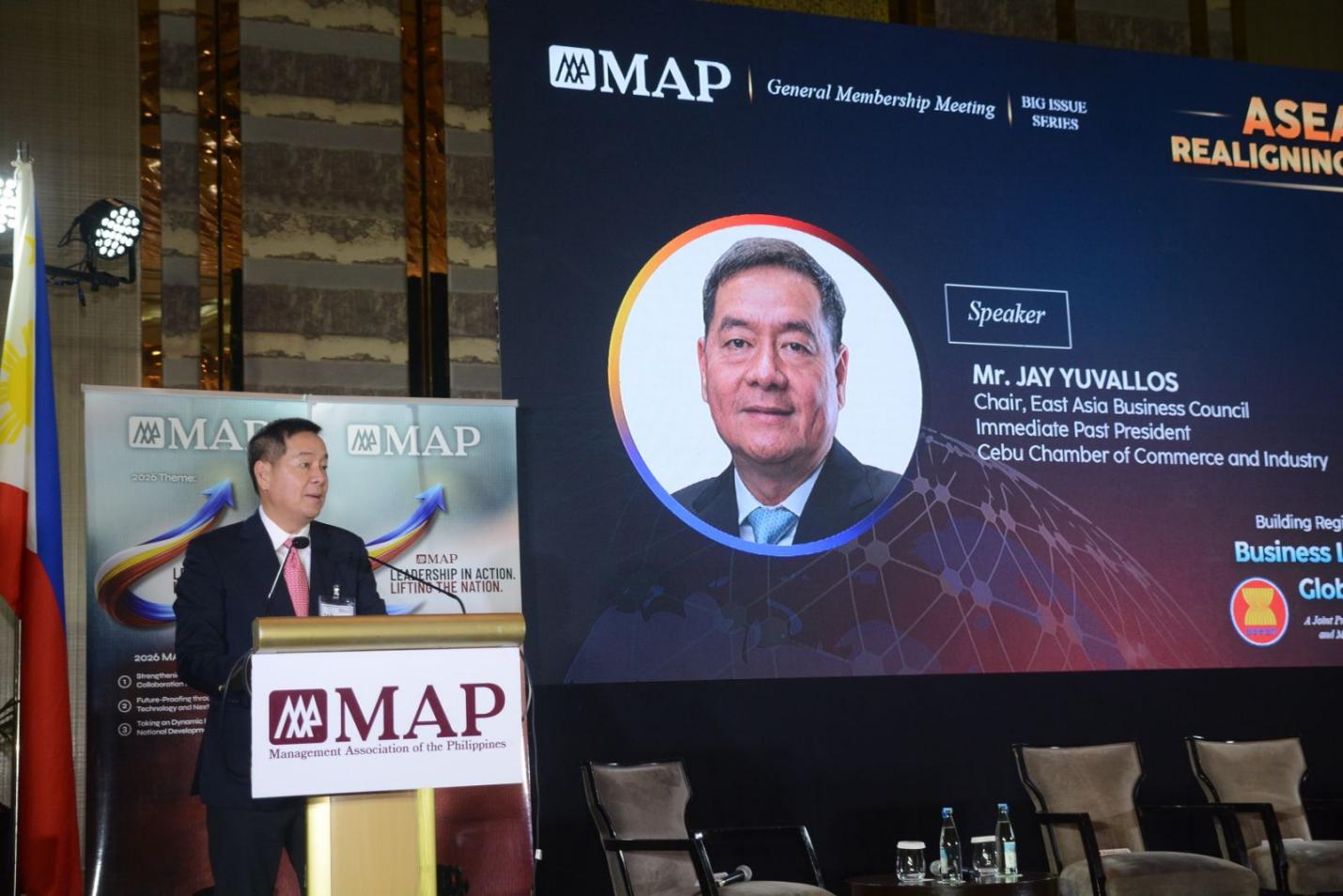
CCCI President Jay Yuvallos acknowledges that challenges and negative headlines have shaped public discourse this year, but stresses that these should not overshadow Cebu’s many economic successes. “One bad news should not drown out many good ones,” Yuvallos says, noting that persistent negative narratives can distort external perceptions of Cebu despite its strong fundamentals and industry wins.
At the heart of CCCI’s strategy is ecosystem-building-moving beyond individual sectors to strengthen the networks that allow industries to thrive. Yuvallos points to shipbuilding in Balamban as a compelling example. What began as an industrial activity has evolved into a broader ecosystem, supported by commercial developments, education and training institutions, design capabilities, and public–private partnerships. The Aboitiz Group’s long-term investment approach, he notes, demonstrates how scale and sustainability are achieved when industries are deliberately supported by complementary institutions.
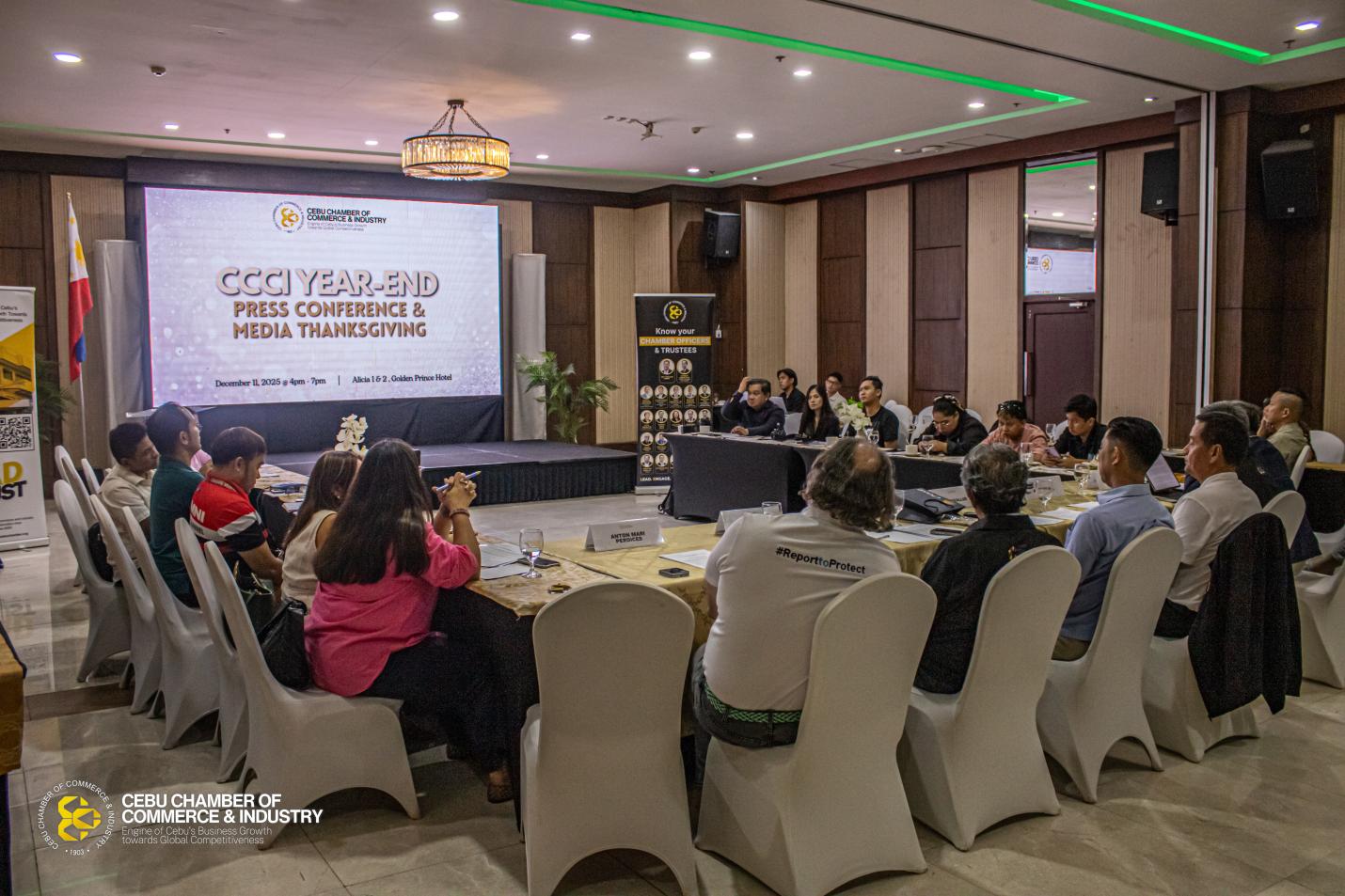
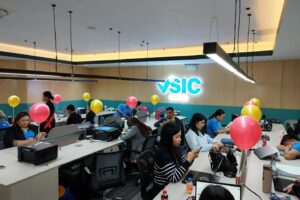
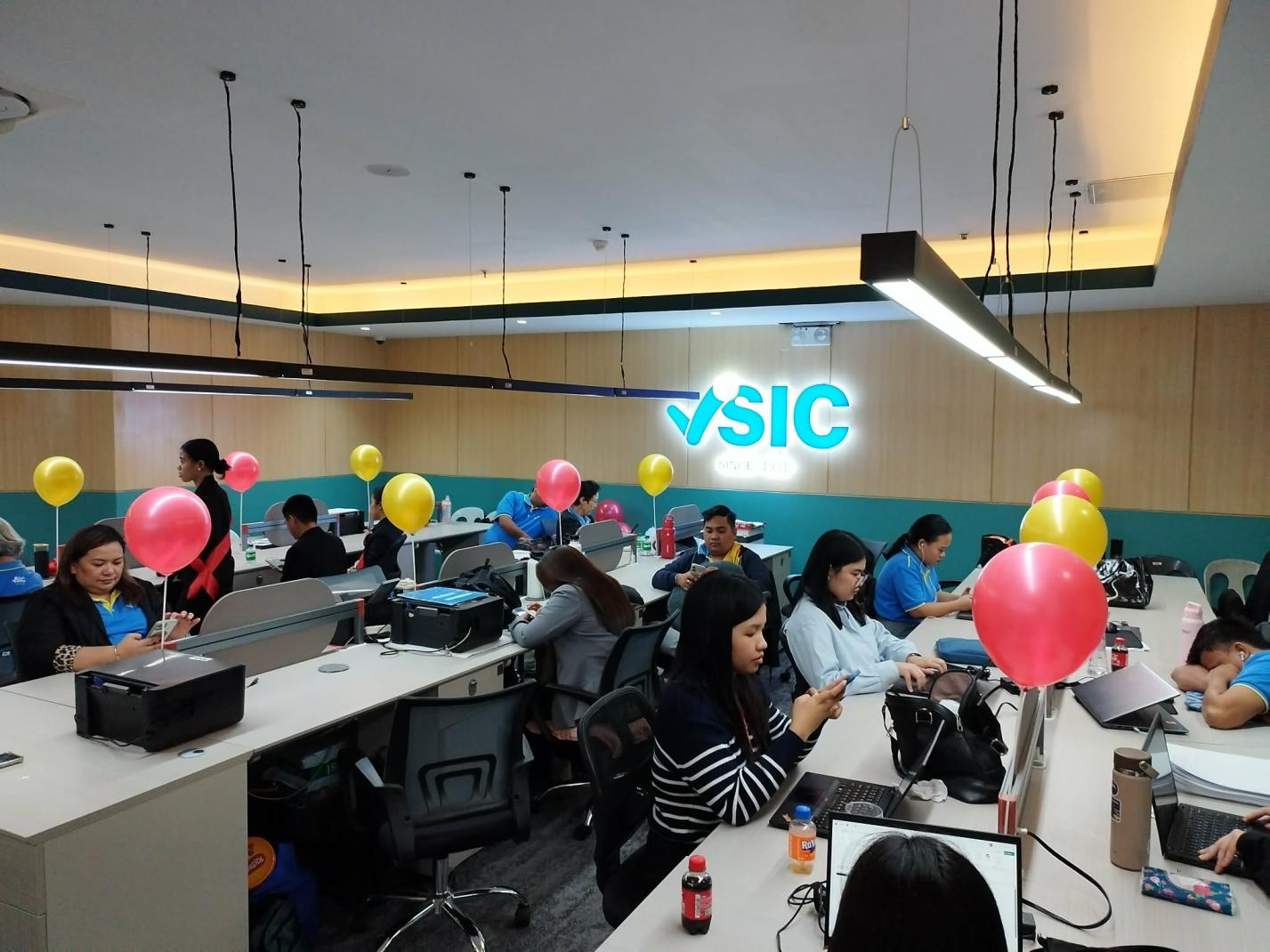
Cebu’s IT-BPM sector remains another pillar of growth. Despite global disruptions, the industry continues to expand, underpinned by strong linkages among educational institutions, technology firms, and the hospitality sector. This interconnectedness reinforces CCCI’s belief that competitiveness today is built through collaboration, talent alignment, and shared infrastructure.
Under its LEAD A-MUST agenda, CCCI will prioritize identifying and reinforcing ecosystems that support winning industries while helping disrupted sectors recover. Tourism and meetings, incentives, conventions, and exhibitions (MICE) remain key focus areas. New and emerging assets, such as the SM Arena at South Road Properties and the planned Mactan convention center – are expected to strengthen Cebu’s position as a major events and tourism destination. “Cebu still has a brand people want,” Yuvallos says, citing sustained interest from Japan and the continued appeal of Cebu to Korean travelers.
Manufacturing also remains a strong contributor to the regional economy, particularly within the Mactan Export Processing Zones. Yuvallos emphasizes the need for more deliberate interventions, including supplier development and acceleration programs, to help local small and medium enterprises integrate into manufacturing value chains and benefit more directly from industrial growth.
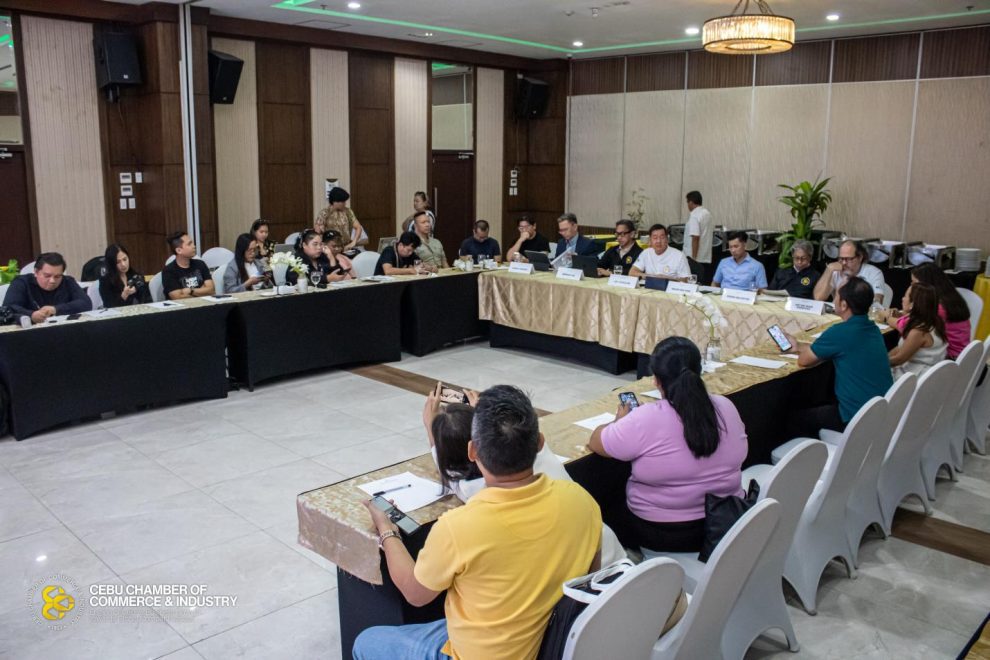
“This is not just the Chamber’s agenda-it is the business community’s agenda,” Yuvallos says. CCCI is working toward consolidating private-sector positions to articulate Cebu’s priorities more clearly and consistently to government leaders, with the goal of improving policy alignment and execution.
Infrastructure continues to be a core advocacy area. Yuvallos highlights major investments such as the Cebu–Mactan bridges, the Cebu–Cordova Link Expressway, and the Mactan-Cebu International Airport as world-class projects that have significantly enhanced Cebu’s competitiveness. Building on these gains, the Chamber is now developing detailed proposals for additional road networks and mass transport systems to support long-term growth.
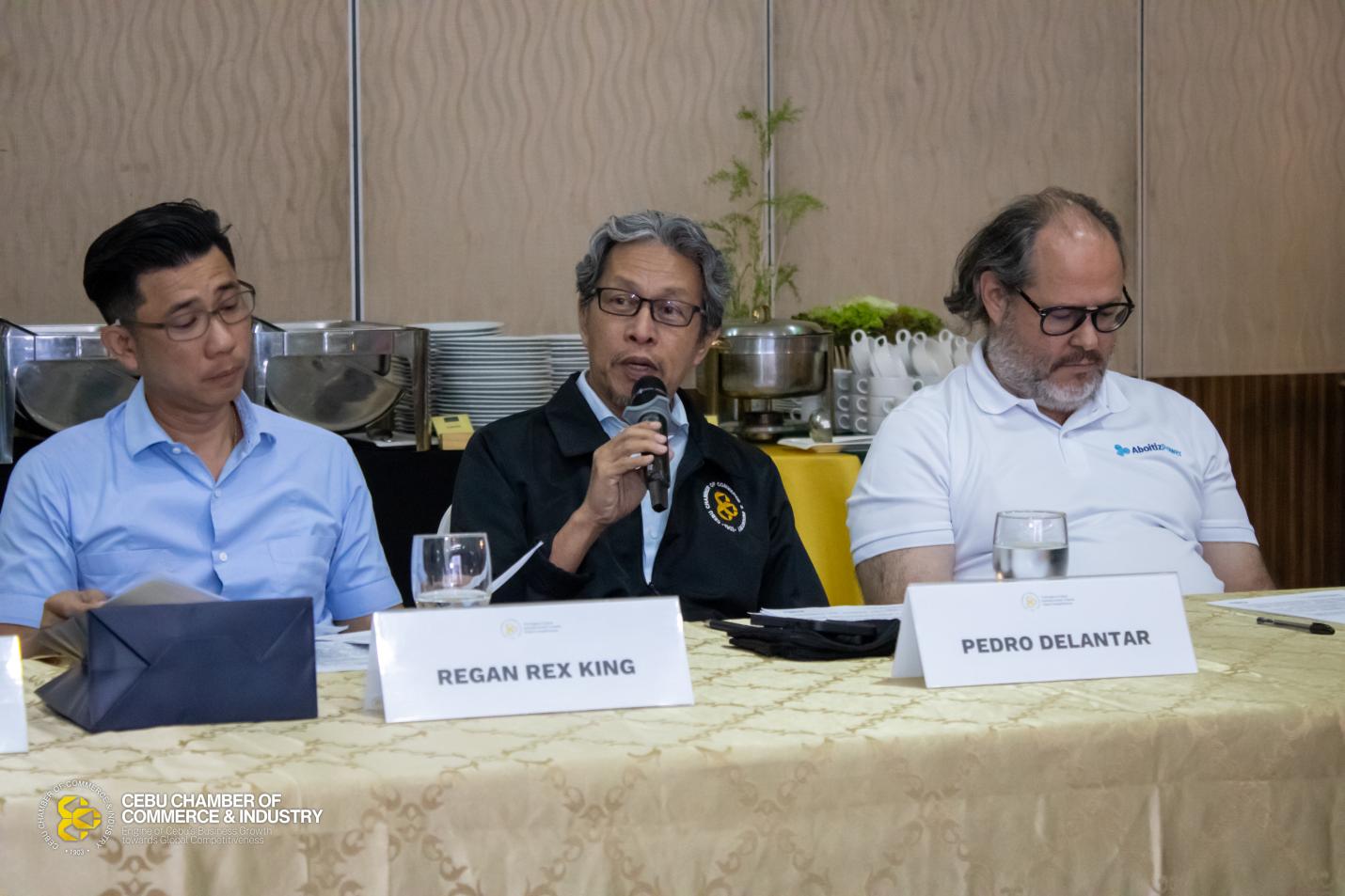
Complementing this domestic push is CCCI’s expanding international engagement. Vice President for International Affairs Pete Delantar notes that the Chamber recently established an International Affairs Department to respond to growing global interest in Cebu. “Foreign companies are now noticing Cebu, and the Chamber has gained momentum and respect internationally,” he says.
The department leads trade missions, global partnerships, and advisory services for members, covering trade regulations, market entry strategies, and international opportunities. Delantar observes that foreign investment in Cebu has evolved—from purely market- or efficiency-seeking ventures to more strategic, partnership-driven engagements.
Cebu’s international strategy, he adds, extends beyond the province to include Bohol and the broader region, supported by alliances with foreign governments, chambers, and trade organizations. Among CCCI’s upcoming initiatives is an outbound trade mission to Japan on February 25–27, 2026, which includes participation in the CARE Japan Show focused on health, technology, and wellness. The mission will also study Japan’s world-class urban resilience and flood control systems, such as the Shibuya Station Underground Storage Facility and the Kanda and Loop 7 reservoirs, to help inform Cebu’s disaster risk reduction efforts and long-term sustainable development planning.
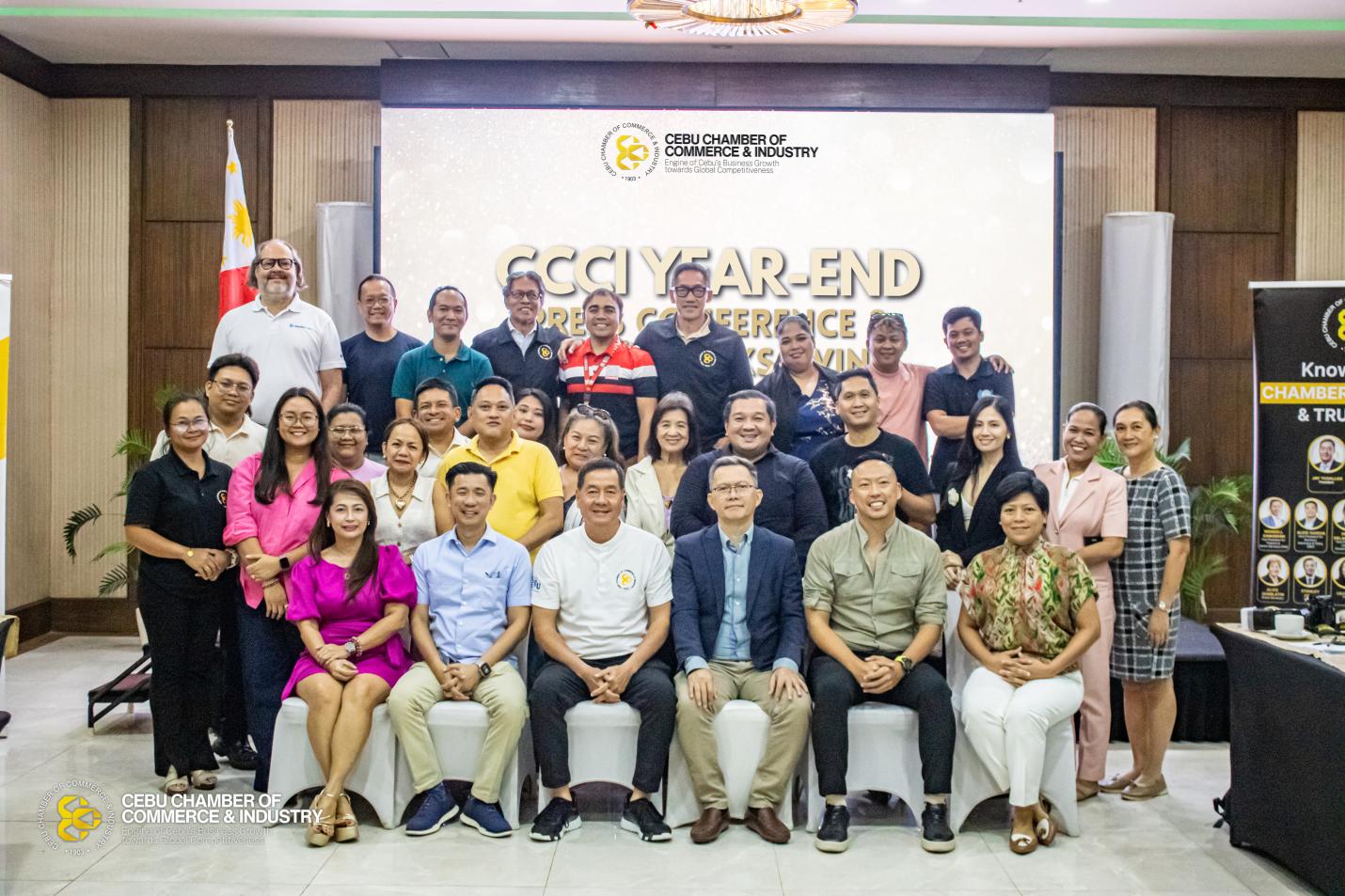
Summing up CCCI’s direction for 2026, Yuvallos underscores three priorities: building world-class infrastructure, strengthening competitive business ecosystems, and positioning Cebu and the wider region-to compete confidently on the global stage.