
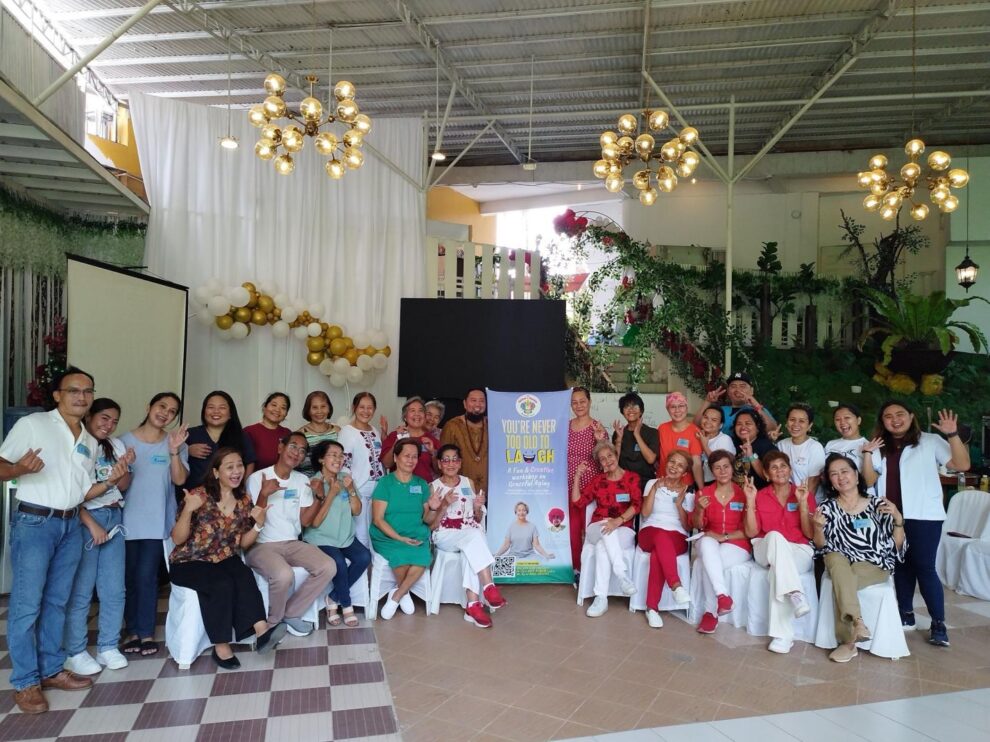

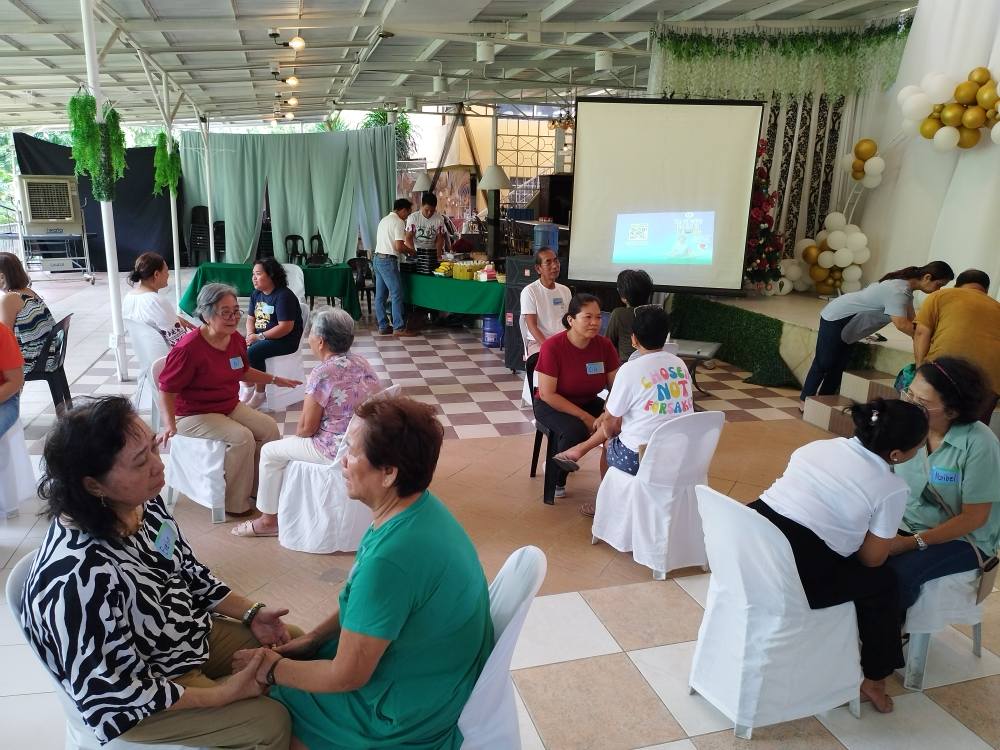
Laughter, reflection, and gentle healing took center stage at “You’re Never Too Old to Laugh,” a fun and creative workshop on graceful aging organized by Children’s Paradise Montessori School (CPMS). Designed as a safe and nurturing space, the workshop invited elderly participants to feel, connect, and love—something Fr. Loreto Jaque observed is often missing in daily life, where people are overwhelmed by information and growing divisions. Through movement and dance therapy, participants were guided to rediscover their shared humanity, transcending age, belief, or background.
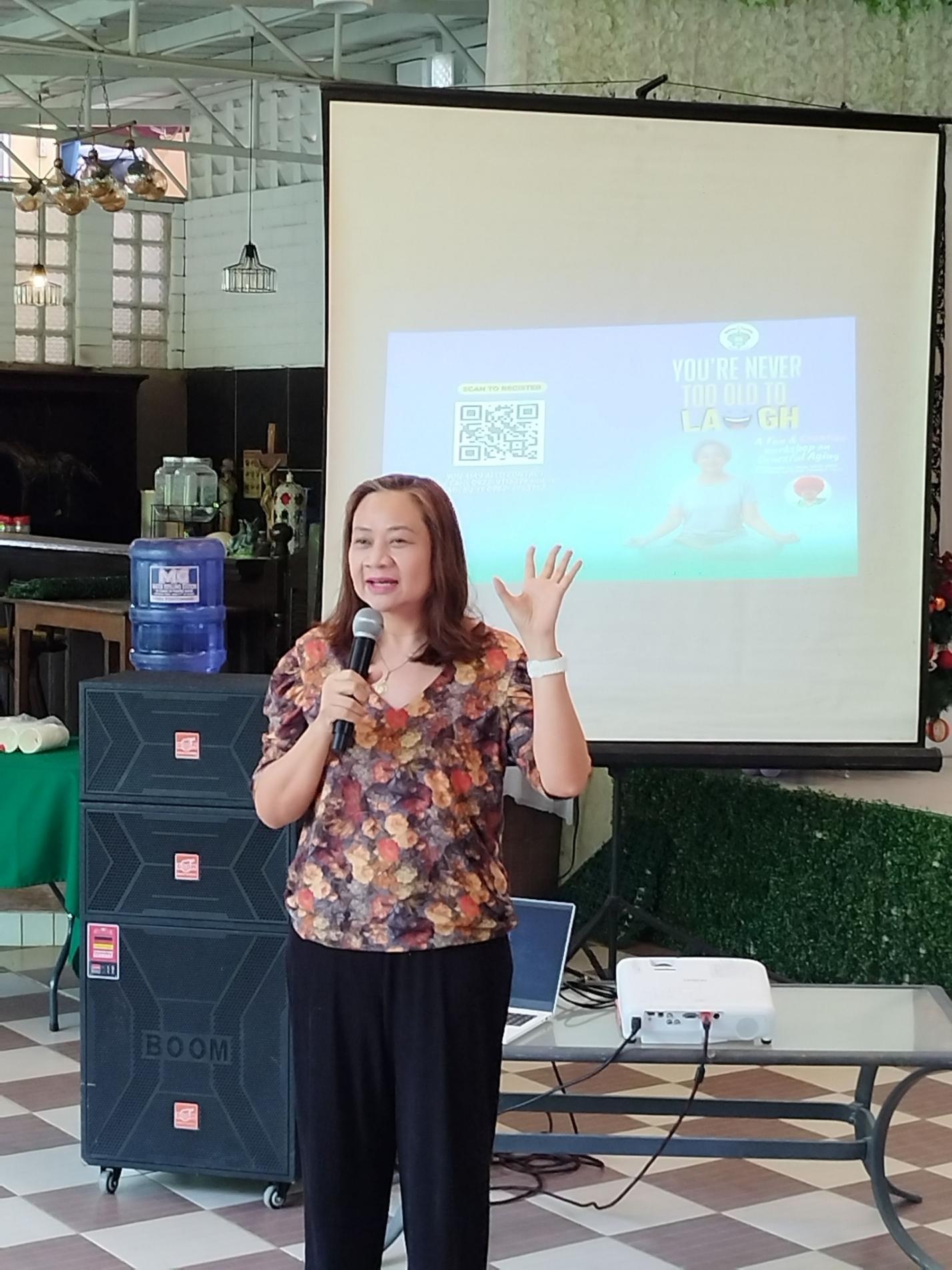
For CPMS founder Ms. Marivic Bathan, the workshop was both a celebration and a quiet offering. As the school marks its 20th year, the initiative was conceived as a gift to the public—an extension of what CPMS has long practiced within its learning community. “We are about to enter another decade,” Bathan shared. “As we close our 20th year, we want to claim that we are now co-creating and preparing for CPMS 2.0.”
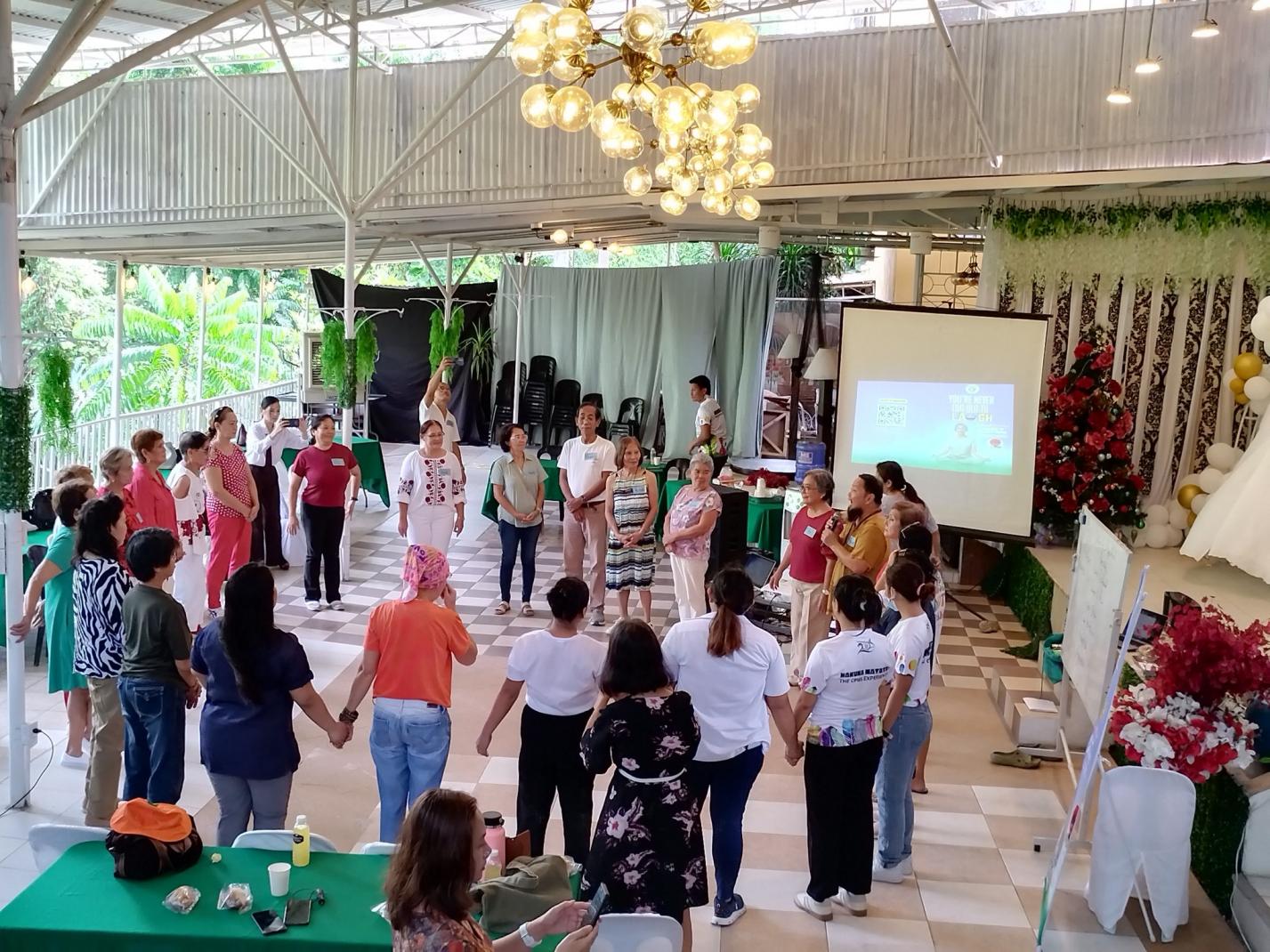
The workshop also served as a pilot program, testing a concept CPMS hopes to expand. Bathan explained that the school has always been attuned to the emotional and developmental needs of families, and this time, the focus turned to grandparents, older parents, and caregivers. “There is a real and compelling need,” she said. “And we feel we are providing some relief, some care, for our elderly.”
As the session unfolded, Bathan watched participants respond with openness and trust—to the activities, to one another, and to the wisdom shared by Fr. Jaque. “It was so moving,” she said. “You can feel that this is something worth pursuing.” The experience affirmed for CPMS that graceful aging is not only about health, but about dignity, joy, and emotional connection.
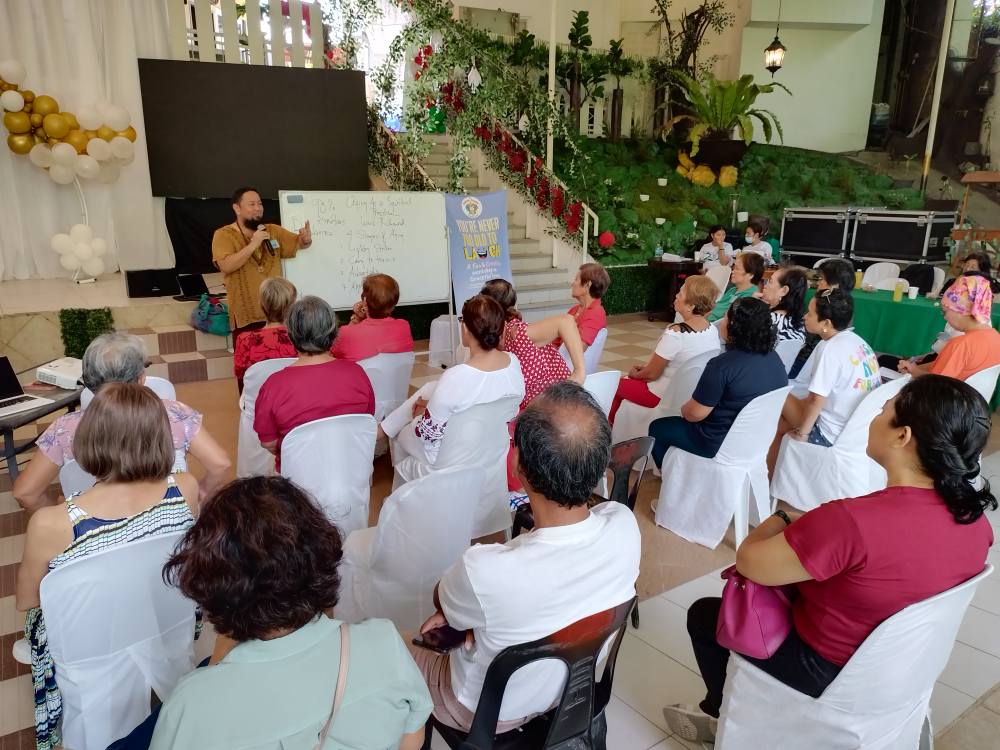
Fr. Loreto Jaque, who has facilitated similar workshops across the country, emphasized that his work creates rare spaces where people are allowed to feel deeply and connect authentically. In a society shaped by division—whether in schools, institutions, or even places of worship—dance therapy offers a common ground.
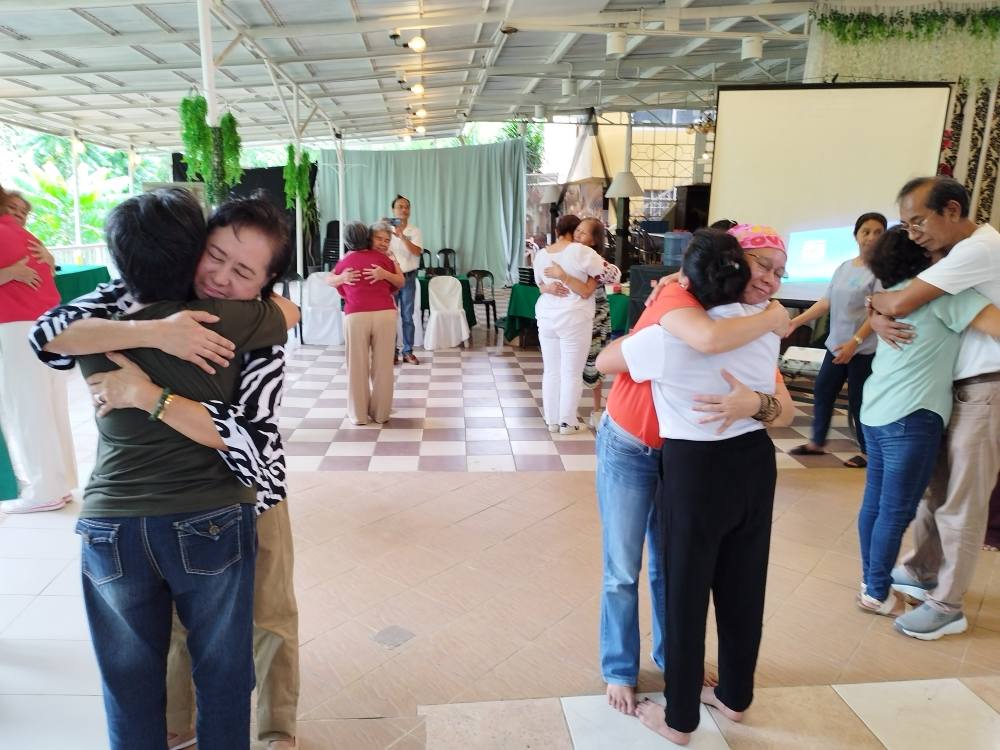
He introduced dance movements that helped the elderly participants release tension, improve balance, and regulate emotions through guided movement. Through shared movement, participants can feel one another’s presence and reclaim their common humanity, Fr. Jaque pointed out.
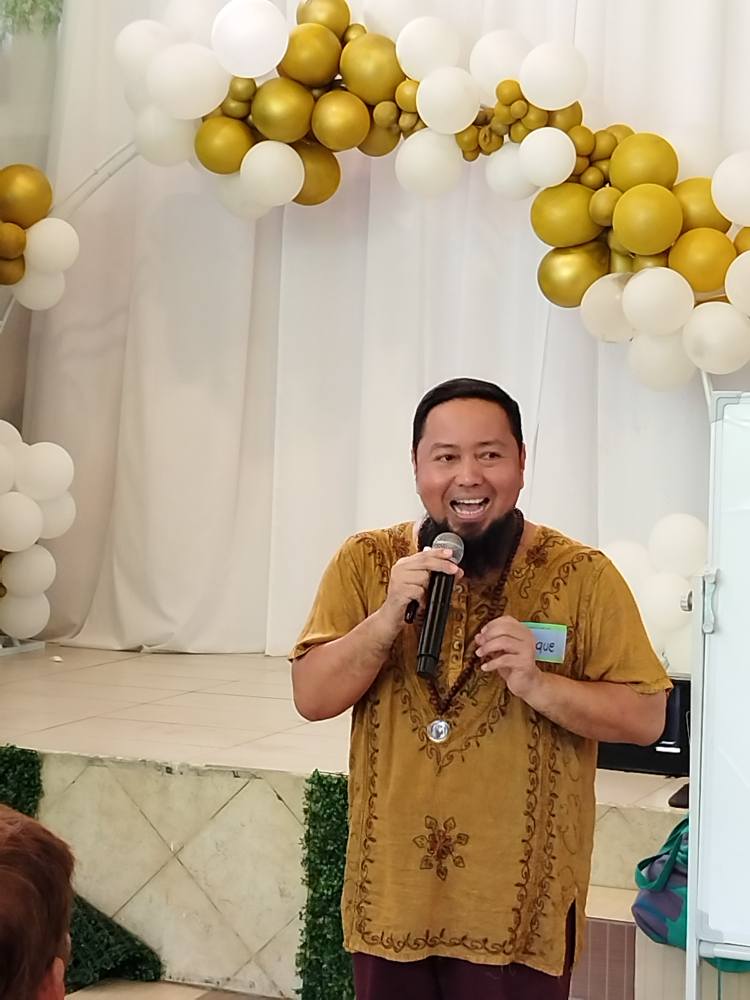
Drawing from years of experience with initiatives such as Dance for Peace, Fr. Jaque has worked with Muslims, indigenous communities, Christians, local government units, and diverse groups in places like Pangasinan, Bukidnon, and Davao. “This kind of therapy,” he noted, “is good for everyone—seniors, the youth, even cancer survivors. There is a real need for this.”
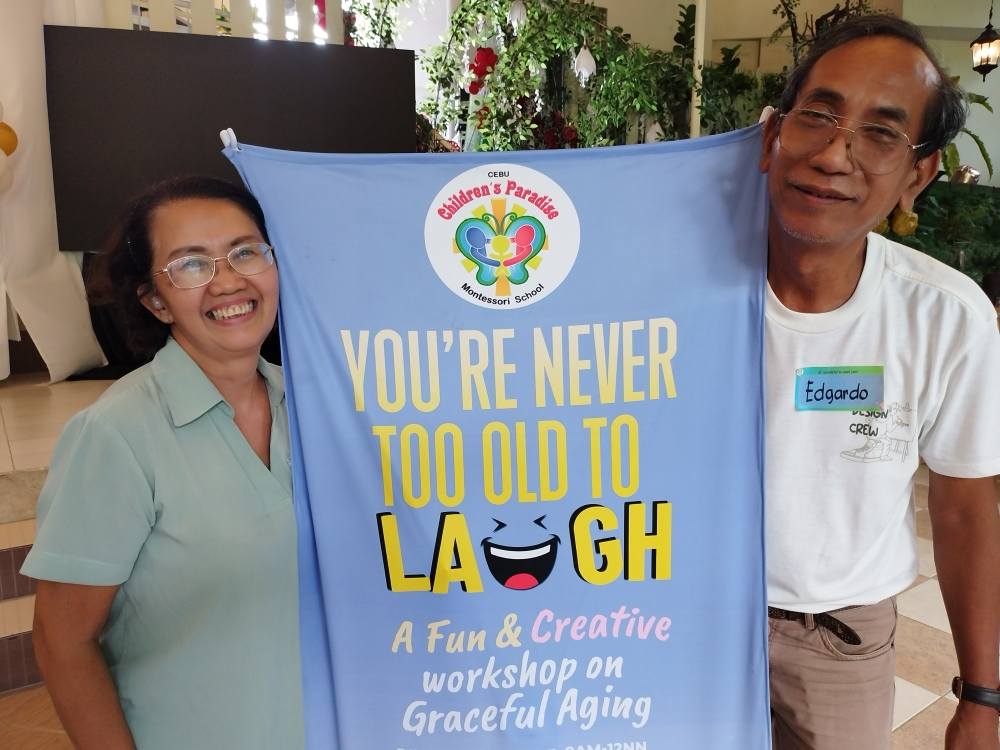
Couple Edgardo and Maribel Generoso expressed satisfaction over their experience. Edgardo said he was able to let go of negative feelings like hate and sadness, among others. “We’re very lucky that we’re able to attend this workshop, Maribel said, adding that she did not regret having joined the workshop. She expressed happiness over the experience.
True to its Montessori philosophy, CPMS anchored the workshop on a holistic approach. The program brought together education, medical care, emotional support, and spirituality, recognizing that aging comes with varied needs but calls for a consistent, compassionate response.
Medical professionals were part of the collaboration. Dr. Jarungchai Anton Vatanagul, Dean of the Cebu Normal University College of Medicine, is currently researching the Montessori approach in caring for people with dementia. CPMS also engaged occupational and physical therapists to support participants’ overall well-being.
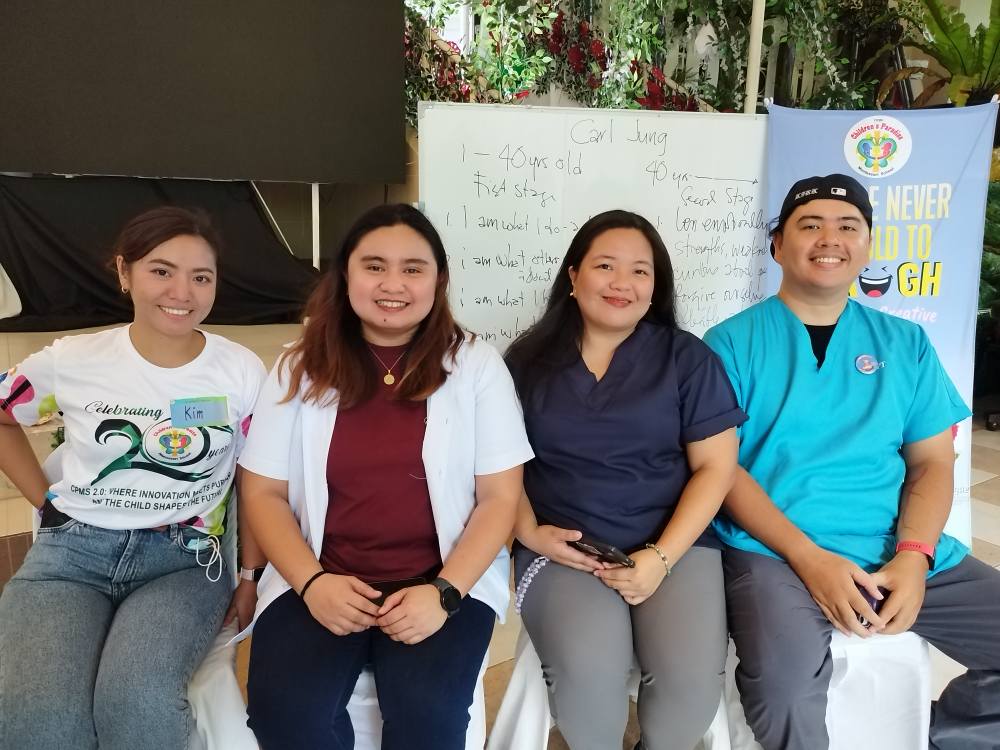
Maxine Burdadon, the Central Visayas Vice President of Philippine Academy of Occupational Therapists, Inc. (PAOT) and CPMS Student Services Department Head, explained that as occupational therapists they cater to a wide range, from children to elderly. “Our role really is to help the elderly live an independent life and also have a good quality of life especially they’re in that age now and what we do is we support them by letting them engage in meaningful occupations and at the same time also modify the environment so that it will be healthy for them like prevent falls and also improve their cognitive status like give them exercises and activities to help them improve their quality of life as well.”
The initiative builds on partnerships formed during the World Walk Against Dementia, which opened doors for collaboration with government agencies and private organizations. Following the event, CPMS was invited to continue offering similar programs, including potential partnerships with the National Commission of Senior Citizens under the Office of the President.
“This is what they (senior citizens) need,” Bathan said. “And we can offer them a space.”
Looking ahead, CPMS plans to document the workshop and expand its reach through collaborations with local governments and organizations such as Rotary, bringing the program to communities where it is most needed. At the heart of these plans is inclusion—education that extends beyond children, and care that honors the dignity of every person at every stage of life.
For Bathan, the journey is also deeply personal. “I also need to be trained,” she admitted. “It takes training to deal with my parents, who are now in their 80’s, to understand them.” The workshop, she said, is part of her own learning as a daughter and caregiver. “My prayer is that while they’re still Mom and Dad, I can be better for them and provide the same safe, loving, joyful, and nurturing space that we just provided today in this workshop.”
As CPMS steps into its next decade, “You’re Never Too Old to Laugh” stands as both a milestone and a promise—that aging can be graceful, joyful, and shared. And that sometimes, the most meaningful gift is a space where people are free to feel, connect, and be themselves.