

In a world where families face constant uncertainties, one Montessori school is offering something radical yet beautifully simple: the gift of play, connection, and healing.
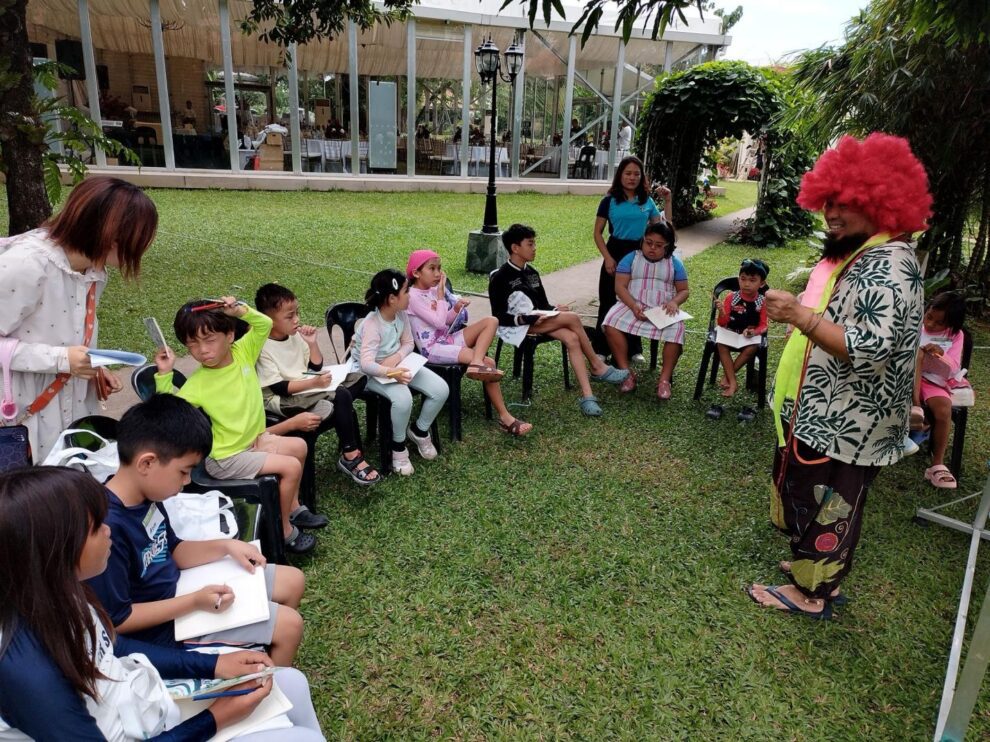
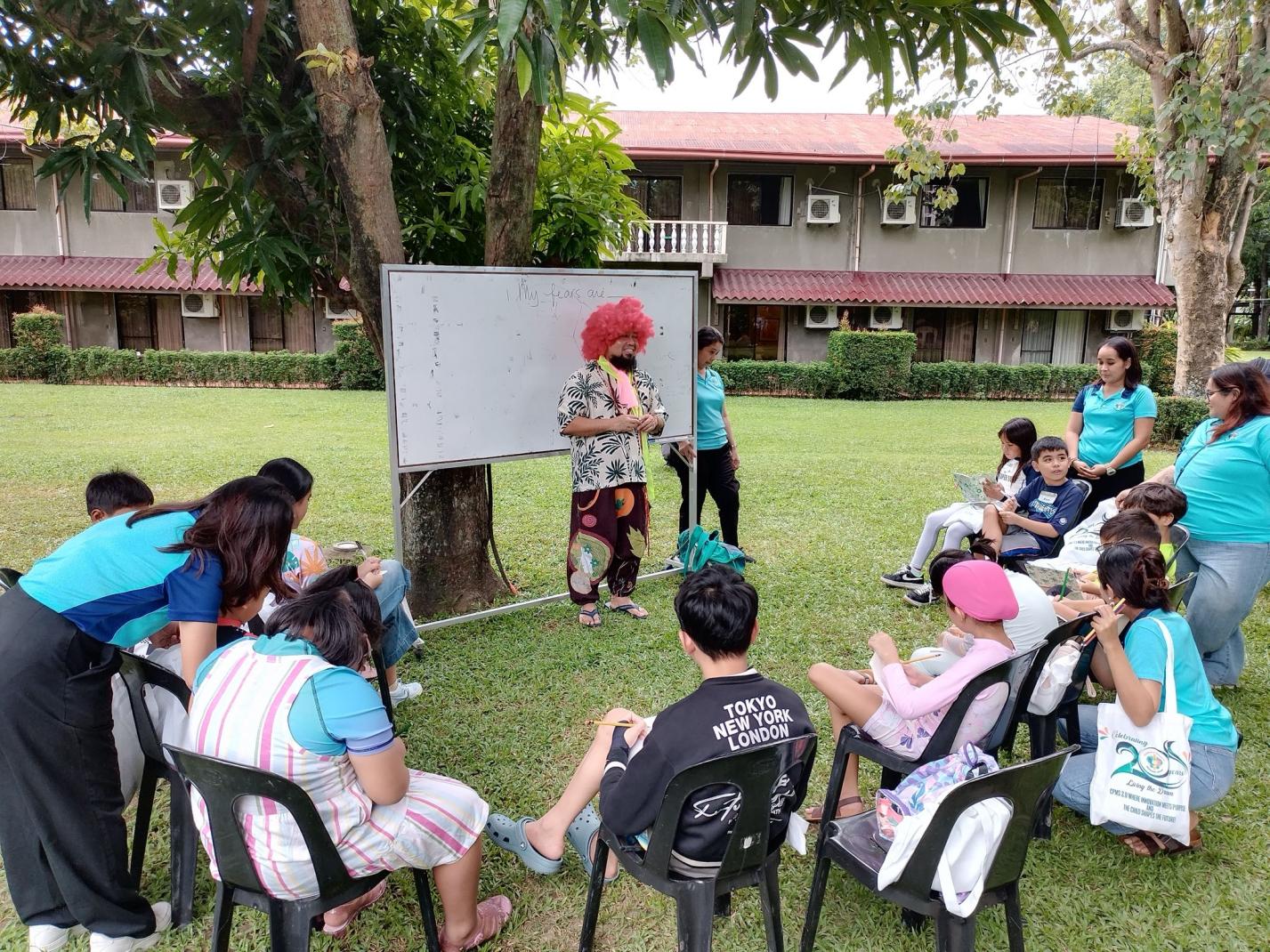
On December 15, 2025, Children’s Paradise Montessori School (CPMS) held the first public run of Filial Play: Healing Families, Building Resilience, and Thriving Together at Montebello Villa Hotel, opening its doors to families beyond its campus for the very first time.
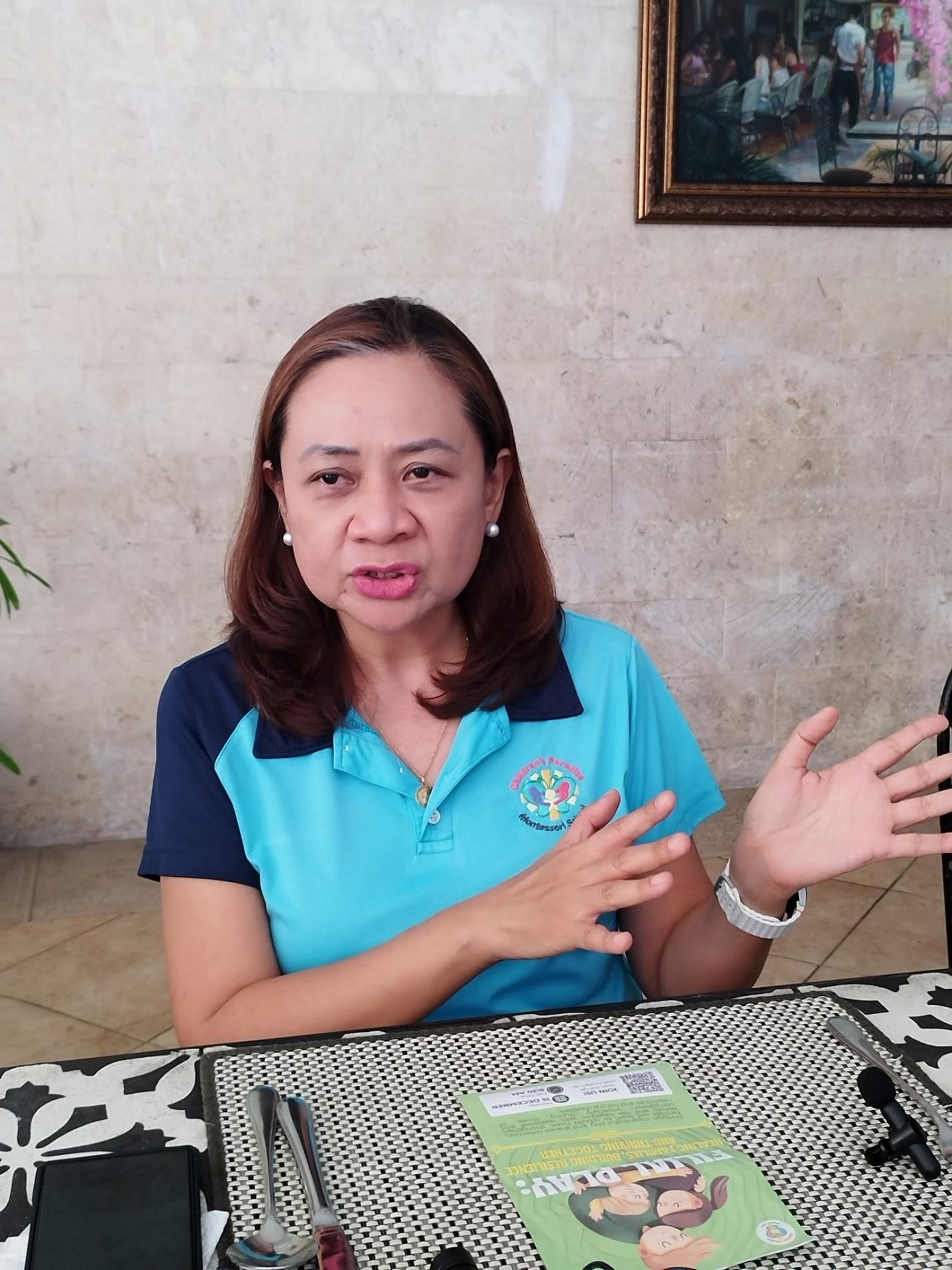
“This is our first public run of this workshop,” shared CPMS Founder and President Marivic Bathan, her voice carrying the conviction of someone who has seen transformation firsthand. “We believe this is a way of creating a foundation for families to be more empowered and resilient.”
Bathan explained that the workshop equips families with practical tools they can carry home. “It’s both an experience and a training. When they go back to their homes, they have something with them—skills to rely on,” she added.
From School Program to Community Offering
For over a decade, CPMS has quietly run filial play workshops within its walls, refining an approach that has proven deeply moving and transformative for families. Now, the school is ready to share it with the wider community.
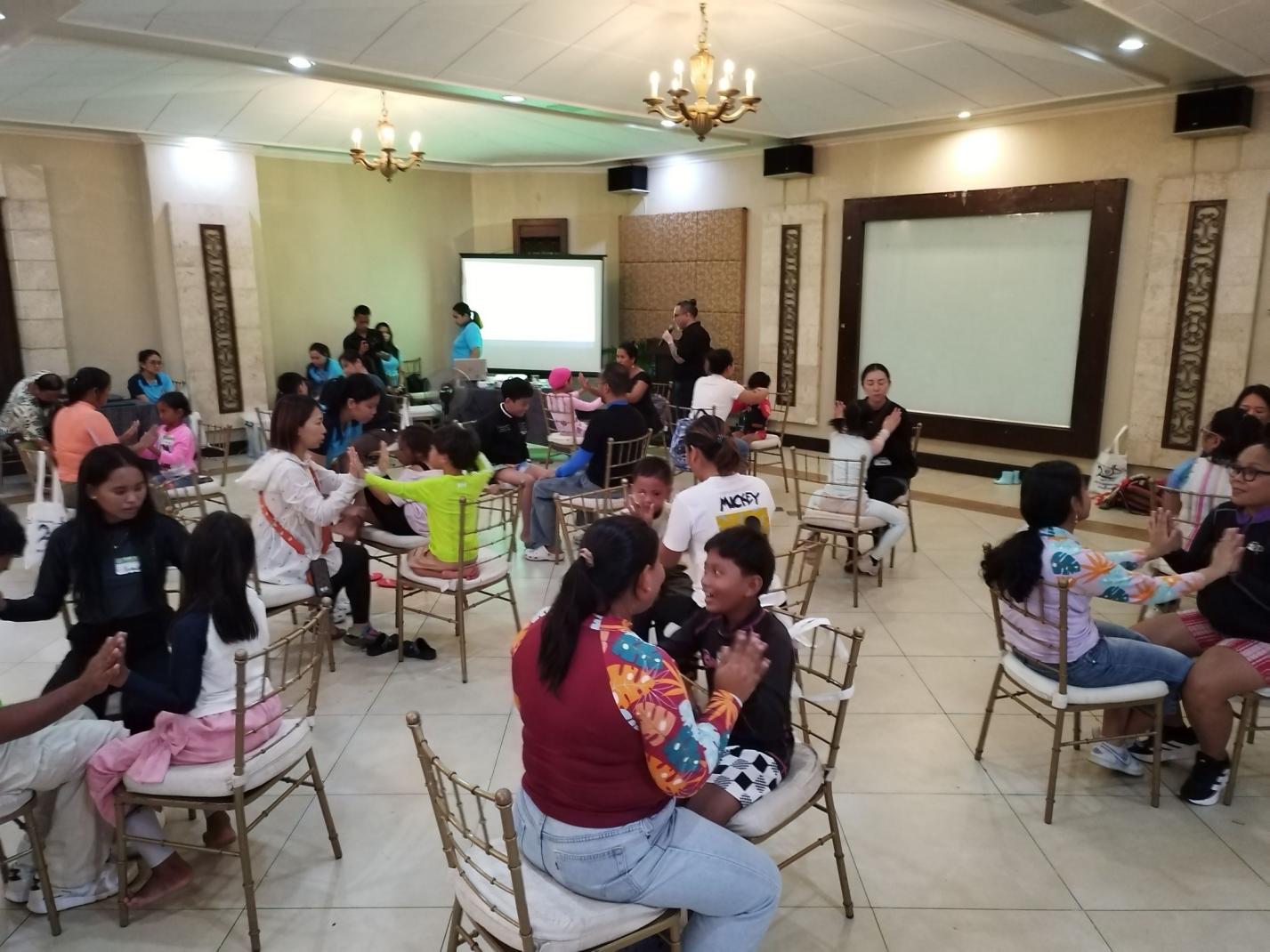
Unlike lecture-based programs, Filial Play is immersive and personal. Parents and children move through activities together, then separately, before reuniting—a rhythm designed to balance reflection with shared connection.
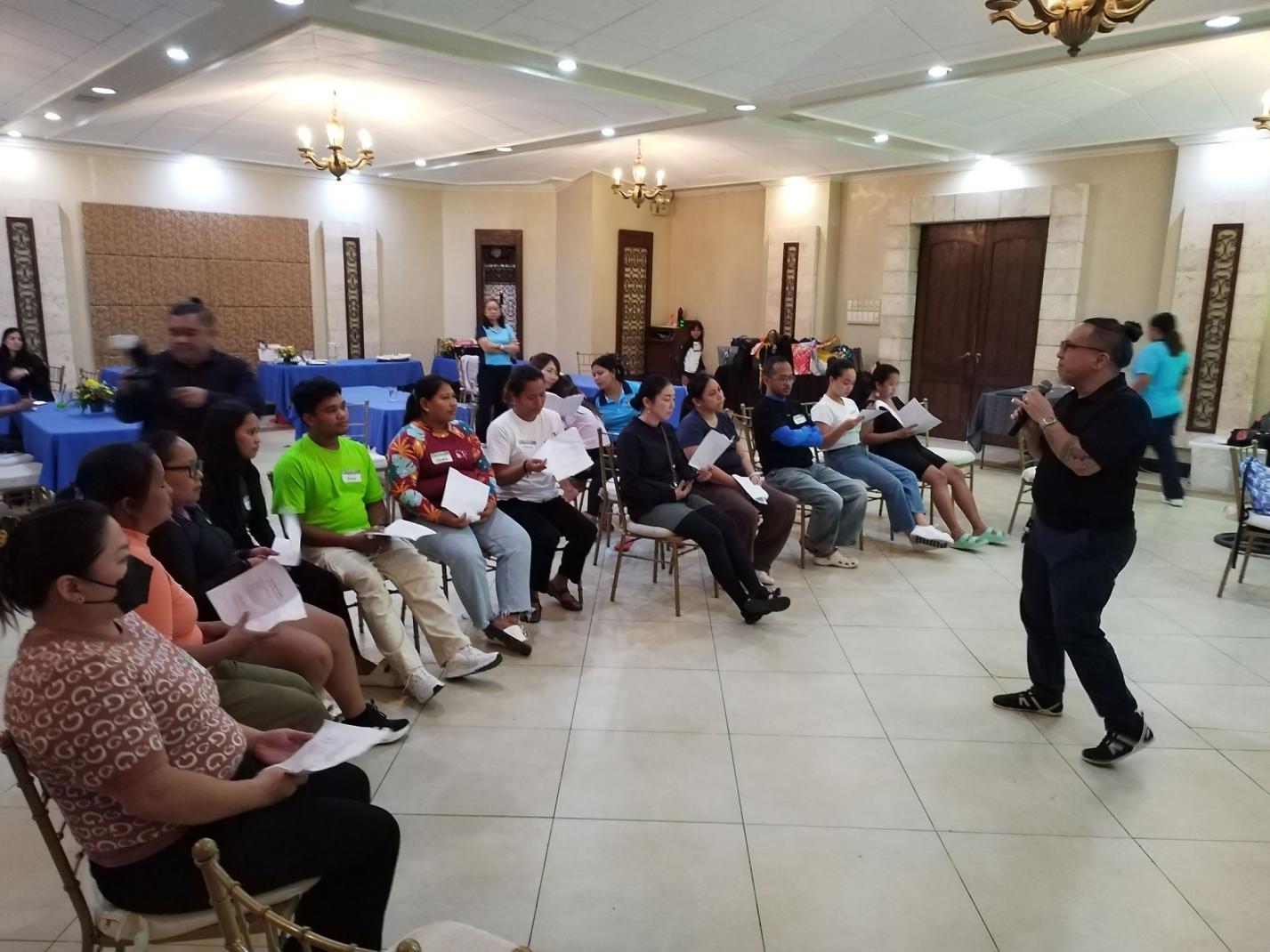
The workshop is hosted at Montebello Villa Hotel, chosen for its open spaces and environment conducive to movement, reflection, and connection. Participation is by family—at least one parent and one child—with an all-inclusive fee of ₱5,000 covering venue, meals, materials, and facilitators.
A Perfect Partnership
The setting matters. Bathan praised Montebello Hotel’s natural surroundings and facilities, calling them ideal for the workshop’s flow of activities.
Equally important are the facilitators. While earlier sessions featured Fr. Loreto Jaque alone, the public workshop introduced a dynamic tandem: Fr. Jaque and Vincent Thomas Evangelista, affectionately known as Teacher Bombom.
“Their strengths are complementary,” Bathan said. “Parents and children get the wisdom of two experts.”
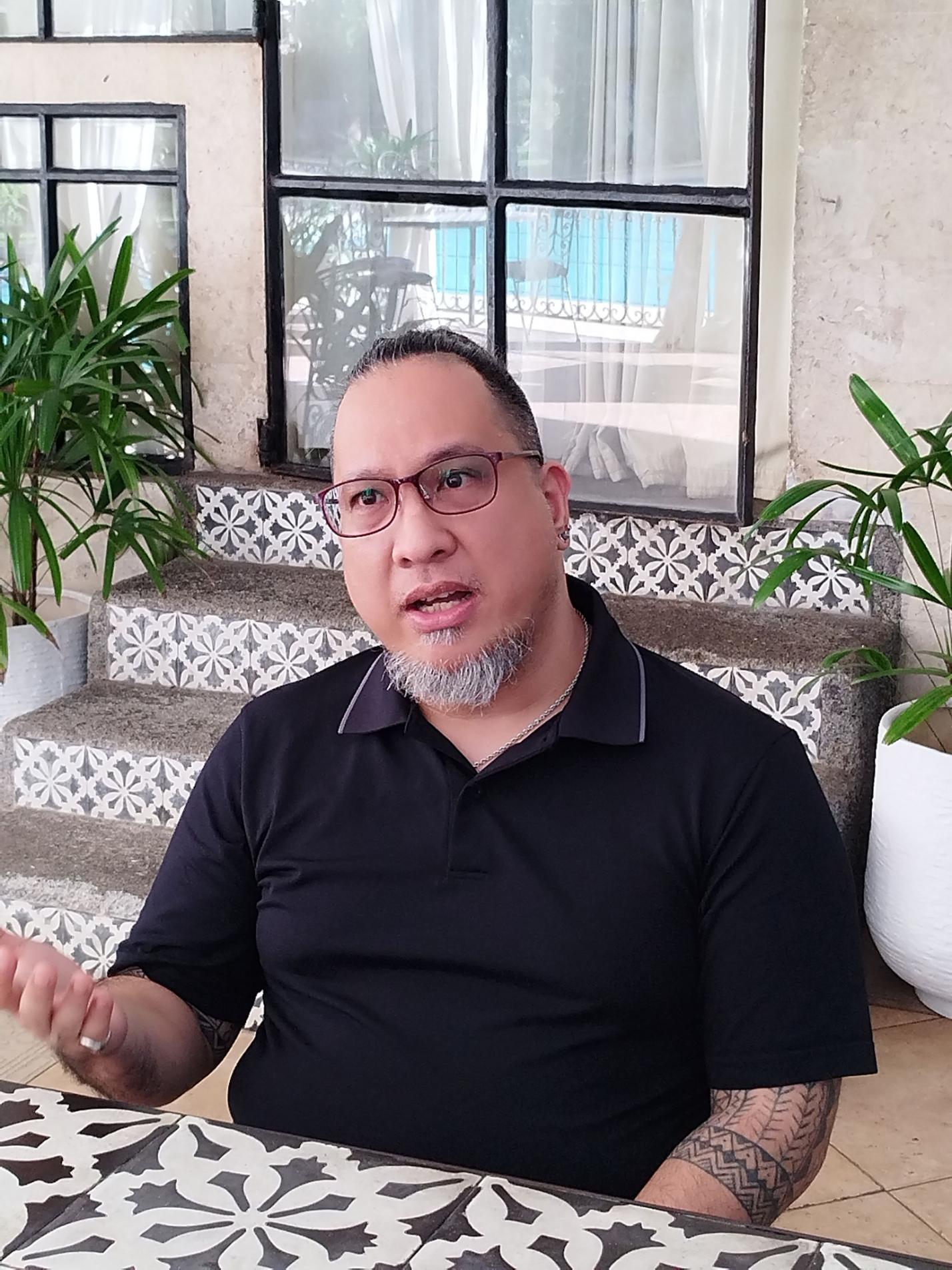
Evangelista described how the program was shaped through collaboration. “Teachers gave input, Father Jaque gave his suggestions, I gave mine, and Teacher Marivic added hers. It was a lot of brainstorming until the flow came together. That’s the wisdom of multiple people collaborating—it makes the program holistic.”
A Safe Container for Healing
For Fr. Jaque, the most powerful outcome of the workshop lies in the emotional safety it creates.
“The goal of filial play is to provide a safe, supportive, nurturing, loving environment for children to express their feelings and manage them through play with their parents,” he said. “At the same time, parents get to know their children more deeply by fostering positive interactions, attachment, and relationship.”
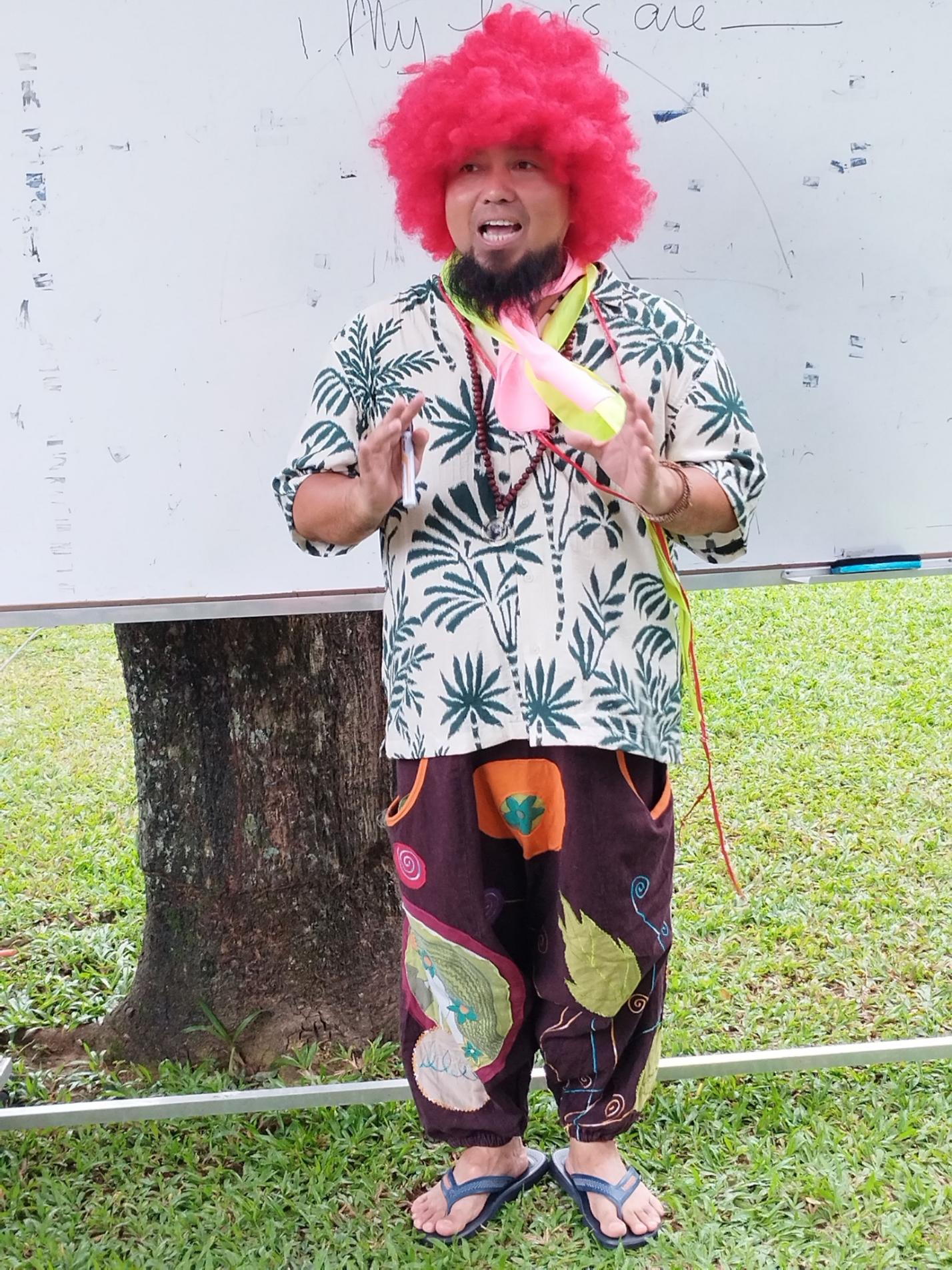
Through the process, Fr. Jaque observed a quiet but profound shift. Parents, he said, gradually become “a safe, nurturing, and loving container” for their children—especially those who are stressed or emotionally burdened.
“When parents are calm, children are also calm,” he reflected. “But when parents are stressed, burnt out, anxious, and worried, that energy is often passed on to their children.”
What the workshop makes clear is how deeply a parent’s presence affects a child’s mental and emotional well-being. Through guided play, connection is rebuilt not through instruction, but through experience.
Citing the Greek philosopher Plato, Fr. Jaque underscored the power of play: “You can discover more about a person through play than in a year of conversation.”
The Language of Children
At its core, filial play rests on a simple truth: play is the language of children. It allows them to process emotions, express what they cannot yet fully articulate, and connect with those they love most.
“We want children to speak from their hearts—how they feel about their parents,” Bathan explained. Guided activities encourage children to say: “Mom, Dad, I feel sad when… I feel angry when… I feel happy… I feel loved.”
These conversations are not easy, but they are transformative. Parents, in turn, write letters expressing apologies, gratitude, and love—creating moments of healing that ripple through the family.
Seeing Children as People, Not Possessions
For Evangelista, the workshop’s deeper purpose is to shift how parents see their children.
“Parents will realize they can truly be involved in their child’s life, no matter the context,” he said. “This helps families understand children as human beings in themselves—not just as sons or daughters, or extensions of their parents.”
He cautioned against the subtle tendency toward ownership in parenting. “This workshop allows parents to re-experience the relationship,” he said. “They arrive at realizations themselves—not because someone tells them what to do, but because they discover it through play.”
Opening the Circle Wider
Looking ahead, Bathan envisions partnerships with organizations such as Rotary clubs and NGOs to bring filial play to more communities. The expertise is there. The model is proven. The next step is reach.
“Whatever challenges and uncertainties families face in the future, they will have something to go back to,” Bathan said. “Their experience. The activities they went through.”
In a time when families are pulled in countless directions, when screens replace face-to-face connection, and when life leaves little room for vulnerability, Children’s Paradise Montessori School is offering something increasingly rare: a structured space to slow down, play together, and truly listen.
Sometimes the most powerful interventions are also the simplest. Sometimes healing begins with play.
For inquiries and collaboration, please email cpms.learningcommunity@gmail.com or contact 0920-9522509.