





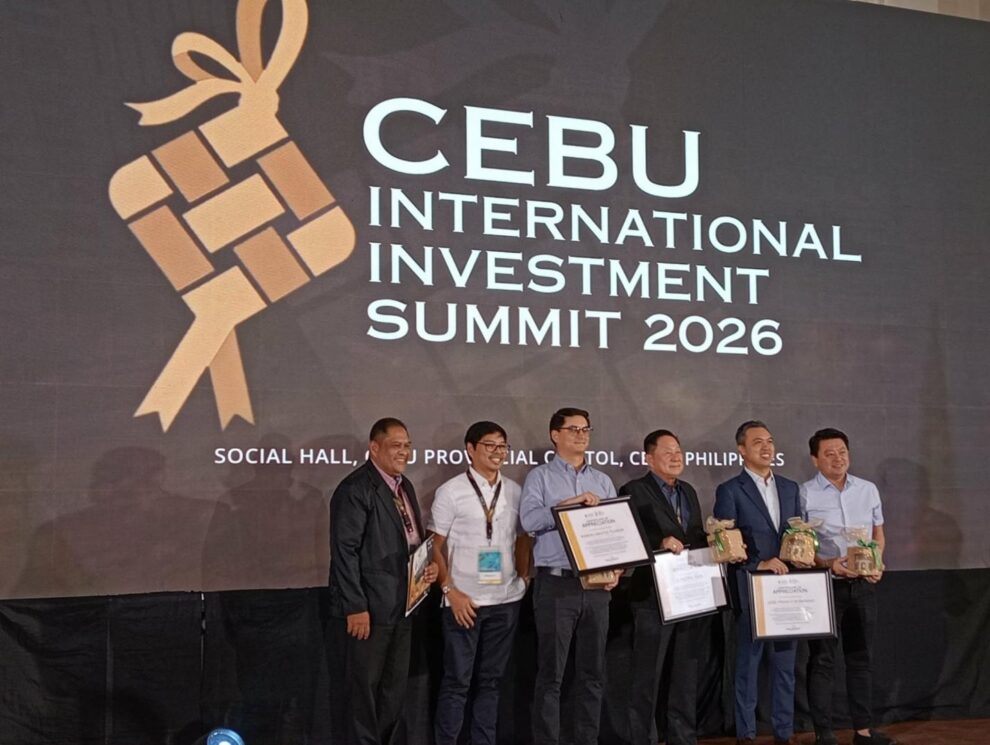

The Province of Cebu is accelerating its transition from a largely tourism-driven economy into a diversified regional hub for industry, trade, and technology, as highlighted during Day 2 of the Cebu International Investment Summit 2026 (CIIS 2026).
Under the leadership of Governor Pamela Baricuatro, Cebu is leveraging its strategic location, skilled workforce, expanding business ecosystem, and business-friendly governance to attract sustained investments. Discussions at CIIS 2026 emphasized how coordinated development in infrastructure, energy, water, housing, and logistics is reinforcing investor confidence and laying the groundwork for long-term, inclusive growth.

Industry leaders underscored that major infrastructure projects—including the 4th Cebu-Mactan Bridge, Mandaue Coastal Road, Metro Cebu Expressway, New Cebu International Container Port, and the Cebu Bus Rapid Transport System—are designed not only to improve mobility but to unlock economic activity across sectors.
“These projects will ease congestion, strengthen connectivity, and support industrial and commercial expansion,” said Willy Justin Go Jr. of the Cebu Contractors Association, noting that resilient and dependable power systems remain essential as Cebu attracts more manufacturing and technology-based investments.

Water security also emerged as a critical pillar of sustainable development. Ramon Aboitiz Tuason, assistant vice president of Aboitiz InfraCapital Inc., highlighted the role of public-private partnerships in expanding water infrastructure capacity, citing desalination and similar technologies as targeted solutions for island developments and economic zones.
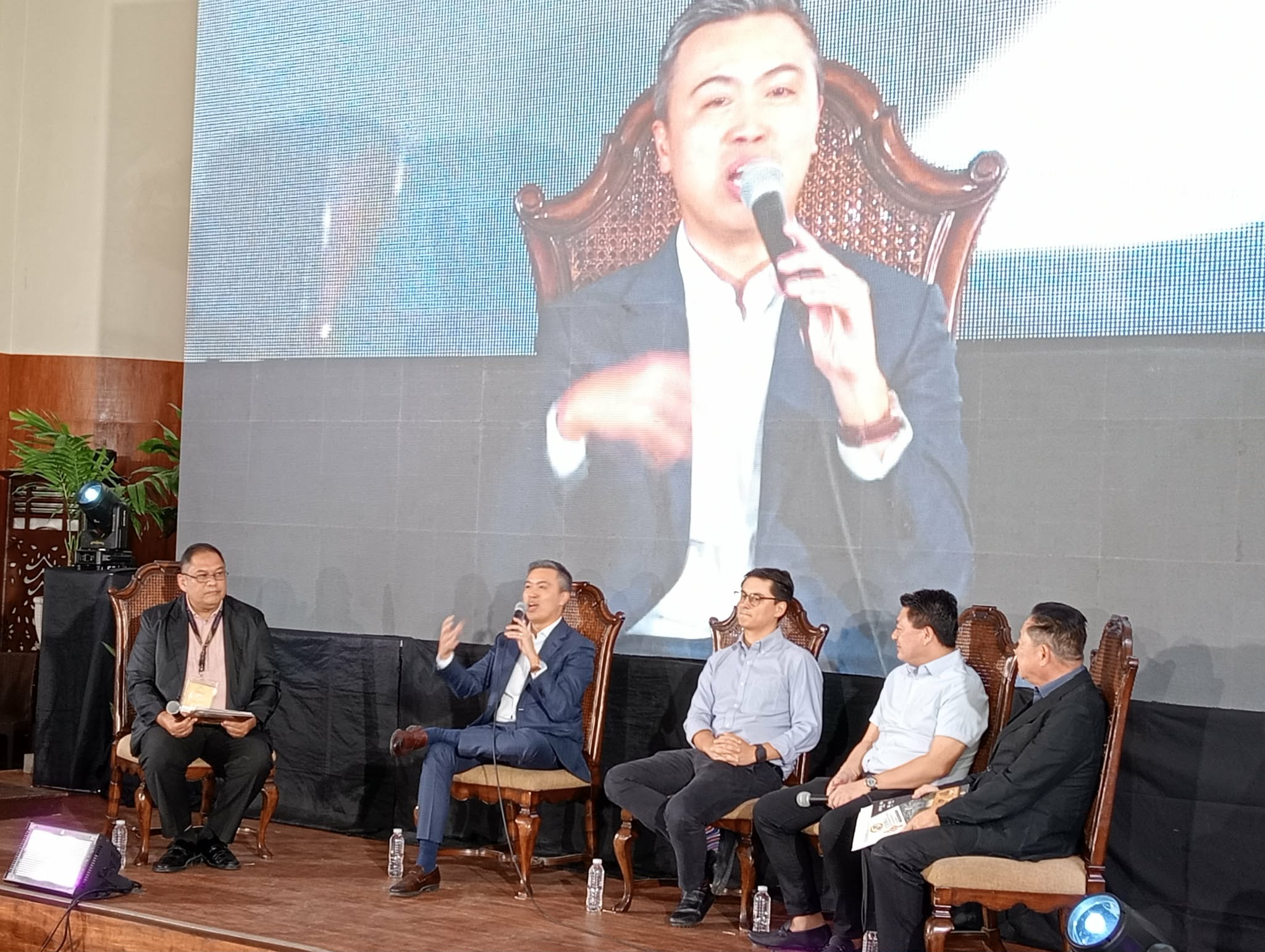
On housing and urban development, Cebu Landmasters Inc. President Jose Franco Soberano said the local property market remains stable, driven by sustained economic activity. He emphasized that integrated investments in transport, utilities, and township developments are key to managing urban growth and ensuring accessible housing for the workforce.
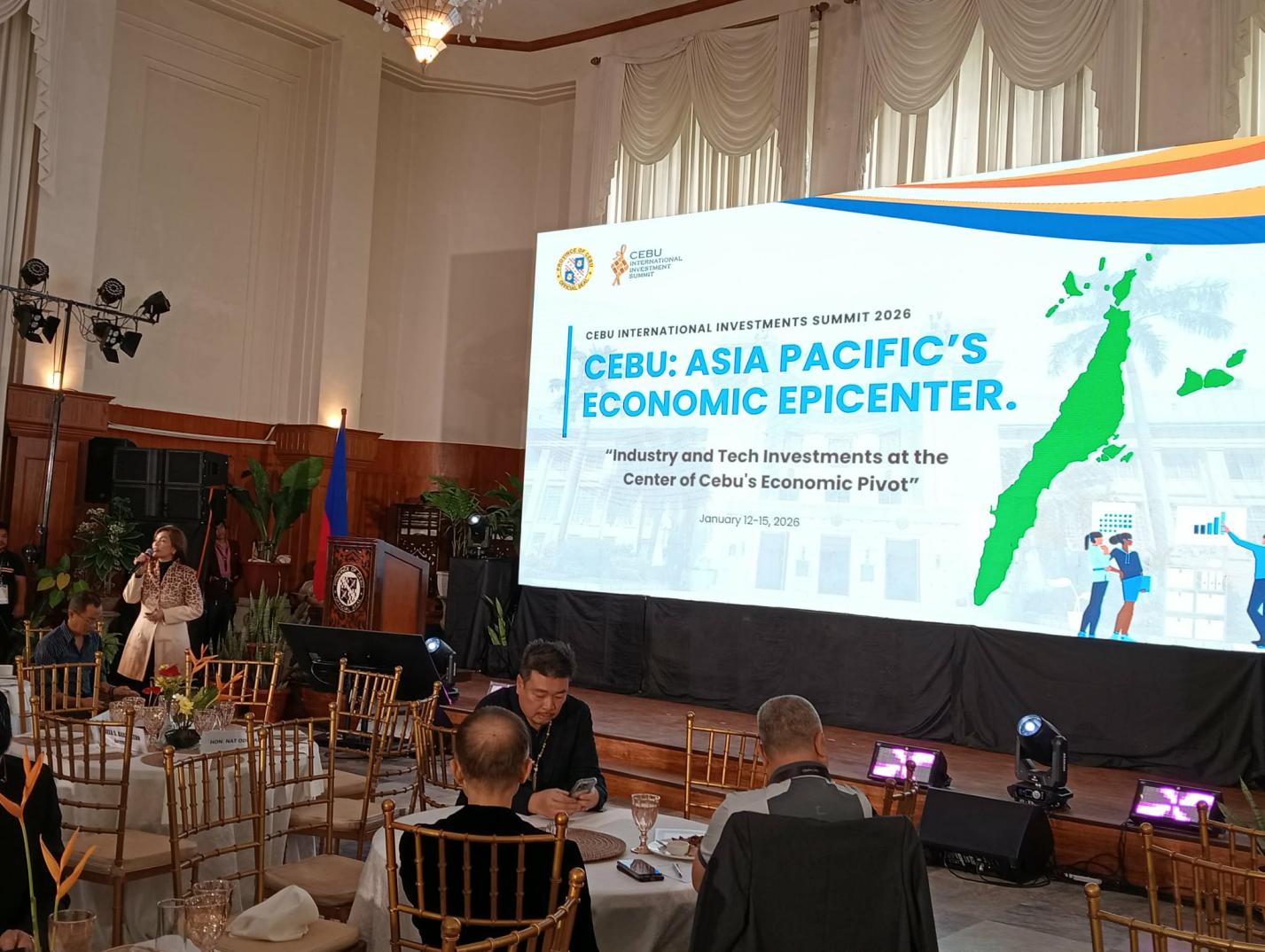
Logistics and supply chains were likewise identified as vital to Cebu’s role as a gateway to the Visayas and Mindanao. Joseph Tan, senior business consultant for cybersecurity business solutions at Globe Business, pointed to the province’s airport and port infrastructure as strategic advantages supported by strong back-end systems. He added that collaboration between large firms and small and medium enterprises helps broaden economic participation and strengthen the business ecosystem.
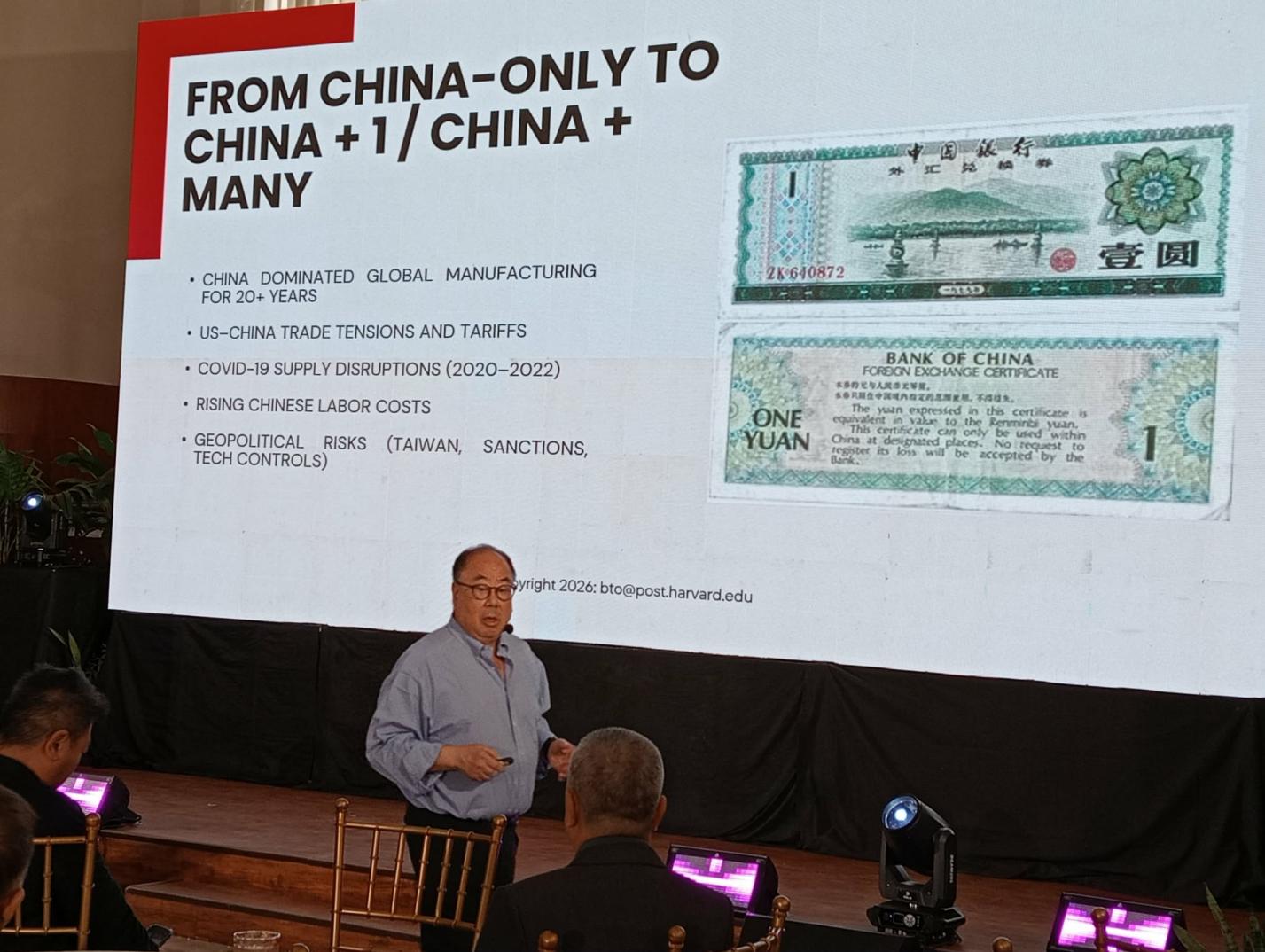
Morning sessions at CIIS 2026 focused on the foundations of long-term growth, with speakers tackling infrastructure delivery, utilities reliability, housing, and supply chain efficiency. In the afternoon, discussions shifted to the real economy and advanced manufacturing, anchored by Dr. Brian To’s Situational Analysis Part II, which highlighted opportunities in modernization, including EV charging hubs, AI applications, parts production, and micro-manufacturing across the province.
Further insights were shared by industry practitioners on import logistics, warehousing, and trade facilitation, reinforcing the importance of supply chains, infrastructure, people, and good governance in driving Cebu’s economy.
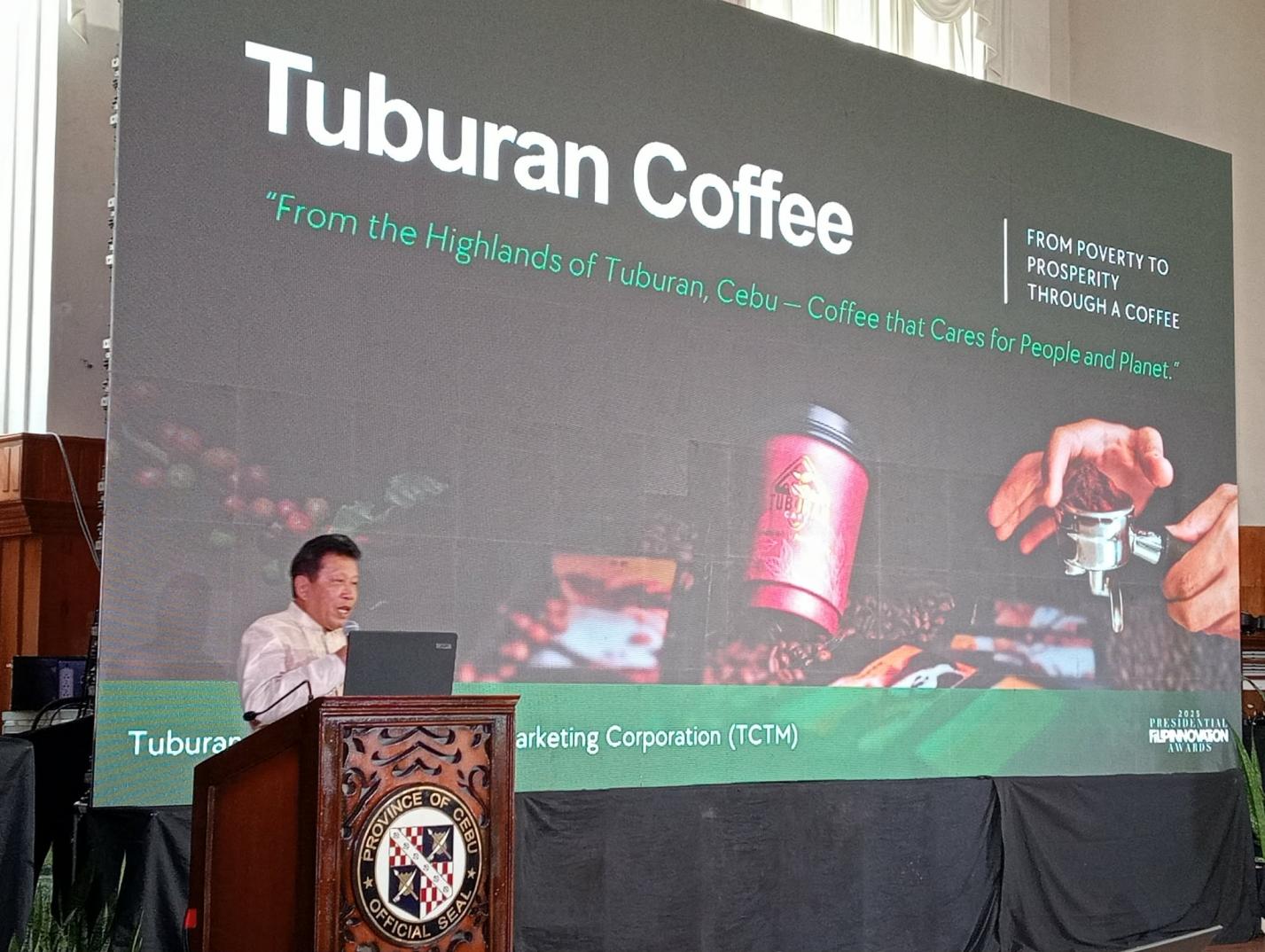
The summit concluded with an inspiring session by Tuburan Mayor Democrito “Aljun” Diamante, who shared the journey of building Tuburan Coffee from farm to global market, demonstrating how well-executed value chains can transform local communities and create global opportunities.

Speakers across CIIS 2026 reaffirmed that Cebu’s strategic planning, coordinated infrastructure investment, and strong public-private collaboration are central to ensuring that growth remains balanced, inclusive, and sustainable—securing the province’s position as a dynamic economic hub for years to come.