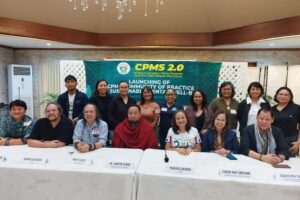



By listening closely to parents and families, Cebu Paradise Montessori School, Inc. is redefining its mission—placing mental health, compassionate parenting, and family resilience at the center of its journey toward 2030.
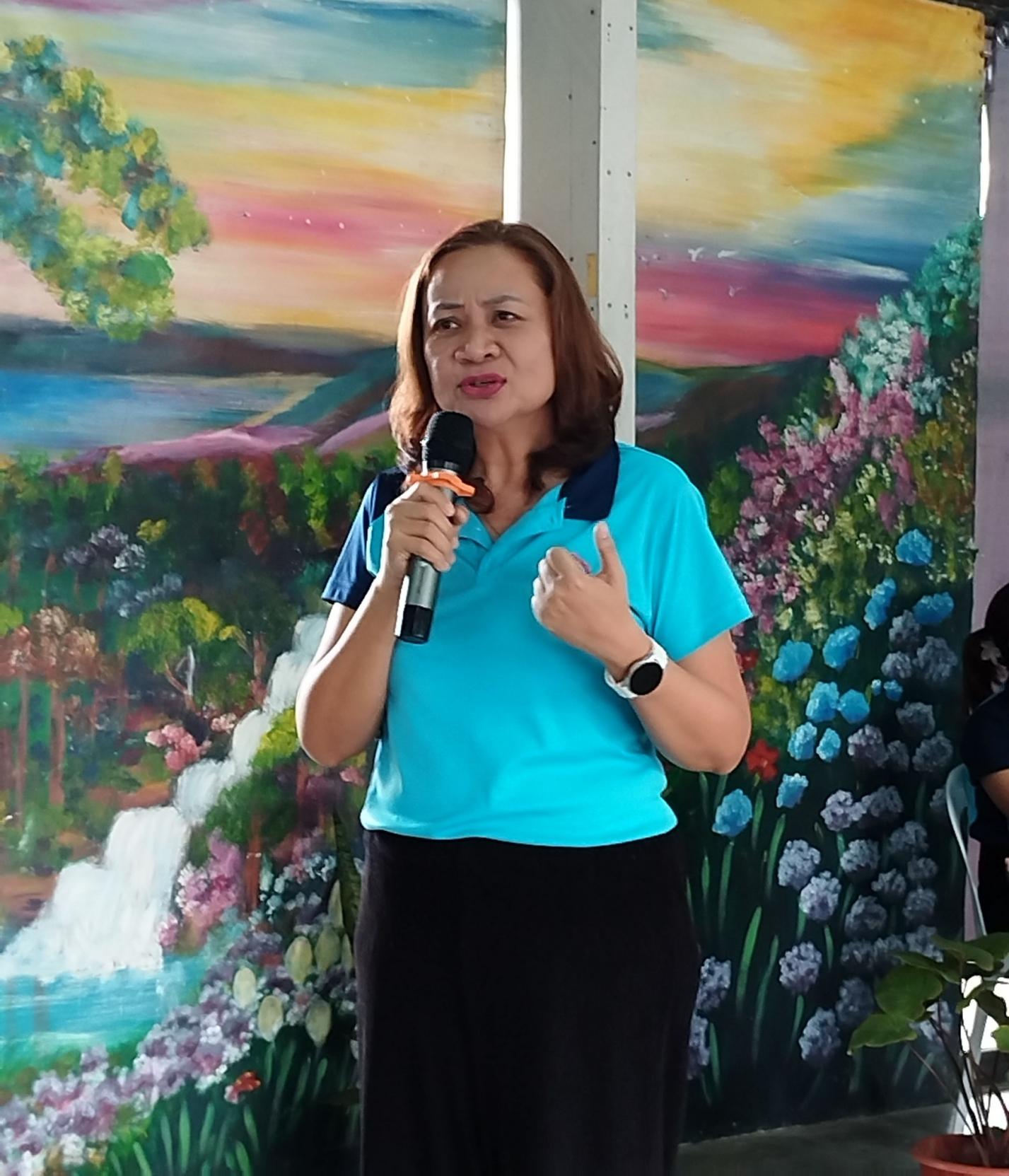
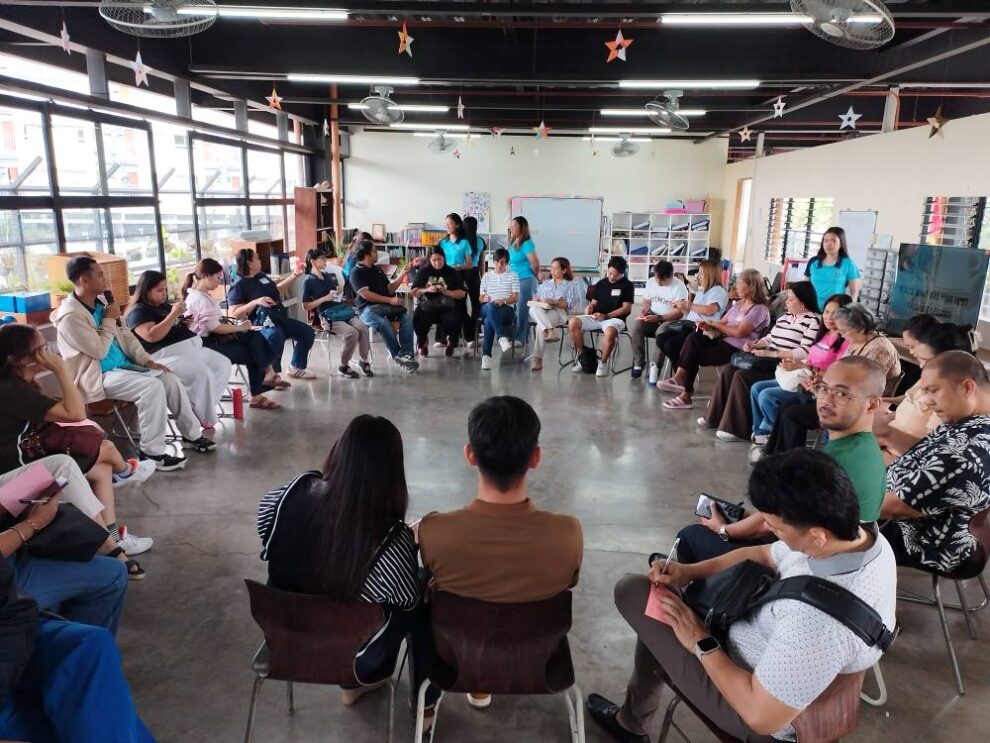
During its mid-year parent review, founder Ms. Marivic Bathan invited families to reflect on their challenges in 2025 and their hopes and fears for 2026, especially for their children. What emerged was a shared concern about uncertainty and mental well-being—affirming CPMS’s long-term direction to make mental health advocacy a core mission.
After its 2025 strategic planning, the school recognized that its first 20 years had shaped not only students, but mental health advocates—parents, teachers, and learners who carry self-regulation, care, and emotional awareness into their communities. Seeing mental health as a growing social crisis, CPMS is now aligning its vision toward becoming a hub for mental health advocacy by 2030.
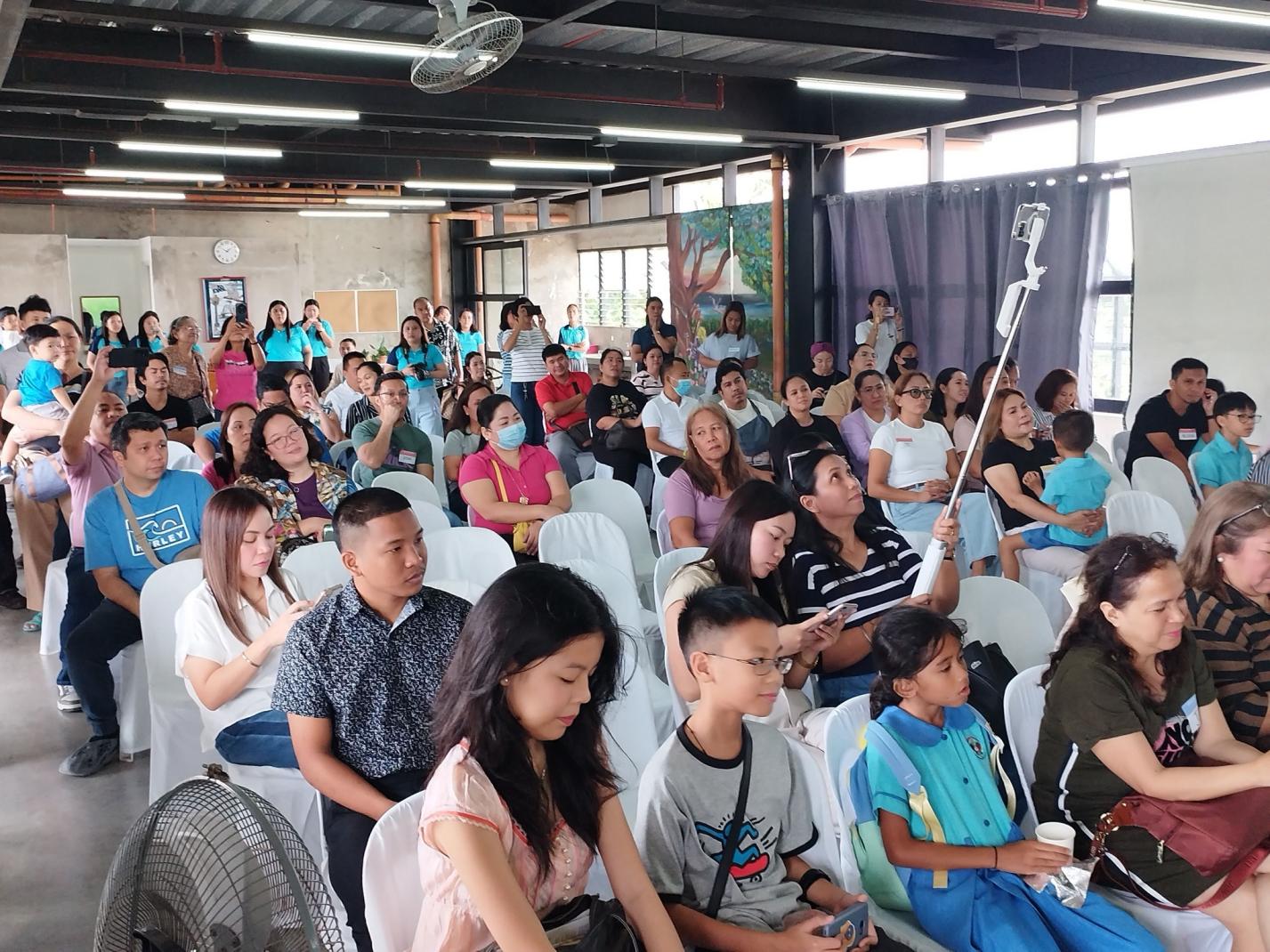
This year’s Foundation Week marks the start of CPMS 2.0, guided by one clear belief: mental well-being starts with the family, and parents are the first influence in a child’s life.
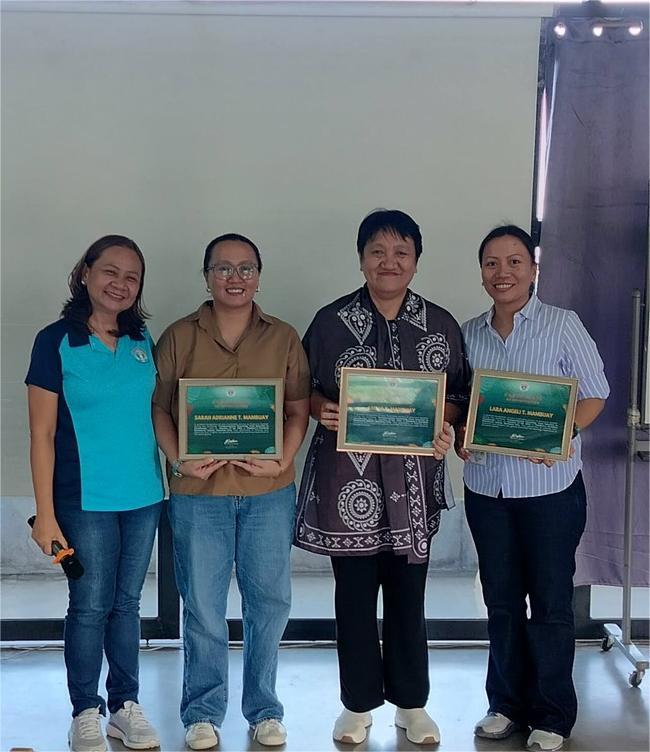
The focus is on parents. Key workshops include “Compassionate Parenting: Connection, Not Reaction,” led by nonviolent communication trainer Amina Mambuhay, and “Recharge,” a brain health and stress-care session led by Coach Ricky John Goyeneche, 1st Brain Health Trainer in the Philippines & Neuro Linguistic Programming (NLP) Trainer.
Community voices reflect the impact of this direction.
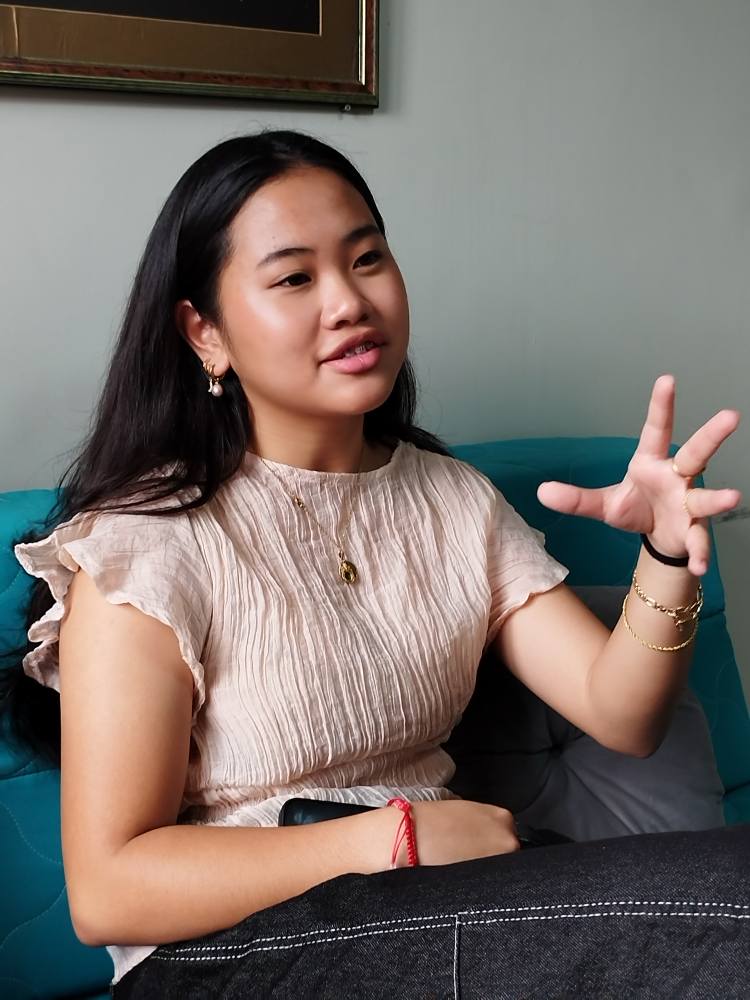
Former student Joanna Grace Semilla shared that CPMS’s parent-centered programs help families understand Montessori education, especially those coming from traditional schools. She said the school’s activities strengthen family relationships—something she wishes more schools would do.
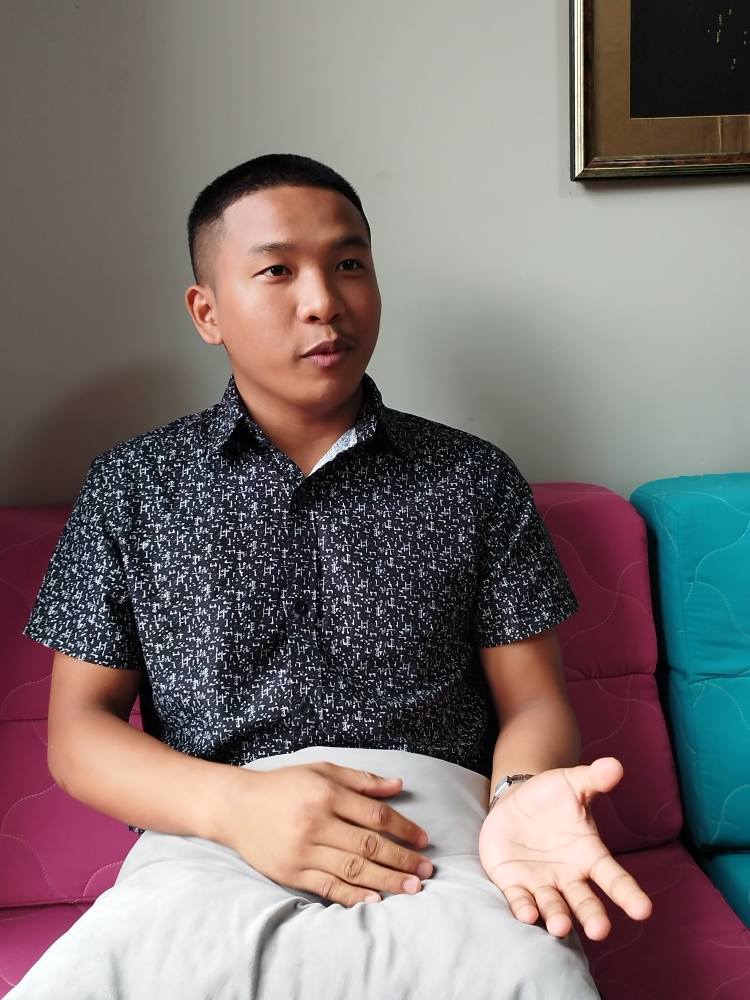
Alumnus Joel Anthony Punay described CPMS as his “second home,” a place of belonging that shaped who he is. He believes CPMS’s approach to learning “really works” and can benefit generations.
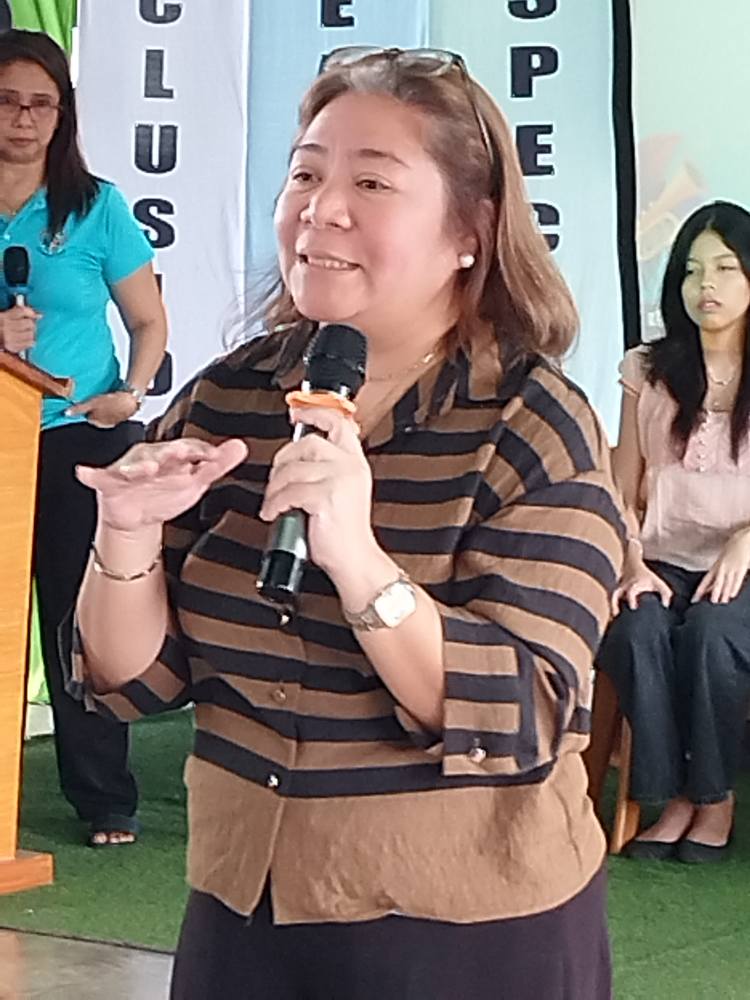
For Nina Nayre, mother of CPMS student Paulus, CPMS was life-changing. Her son, diagnosed with ADHD and developmental delays, found support in the school’s inclusive environment, on-site therapists, and strong advocacy for children with special needs.
Supported by a full team from preschool to Grade 6, she saw real growth. “We believed in the process—and it worked,” she shared.
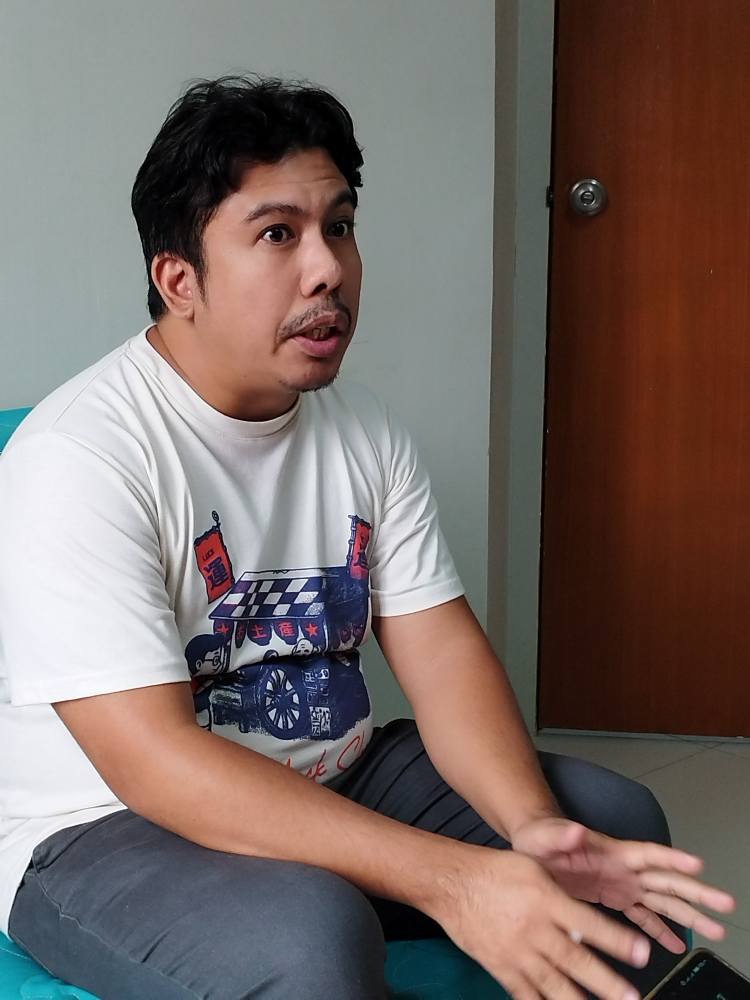
Parent Bryan Sacal described the mid-year review as a space for honest dialogue. It allows parents and the school to understand each other’s struggles, wins, and expectations. Having been part of CPMS since his son Grayson was a toddler, now in Grade 5, he said many concerns were addressed through these open conversations that keep families and the school aligned.
The workshops themselves are already changing homes.
Parent Curbie Canete shared that the compassionate parenting workshop made him feel unexpectedly empowered. What he learned, he said, was something he could use not only with his children, but in his personal life and work.
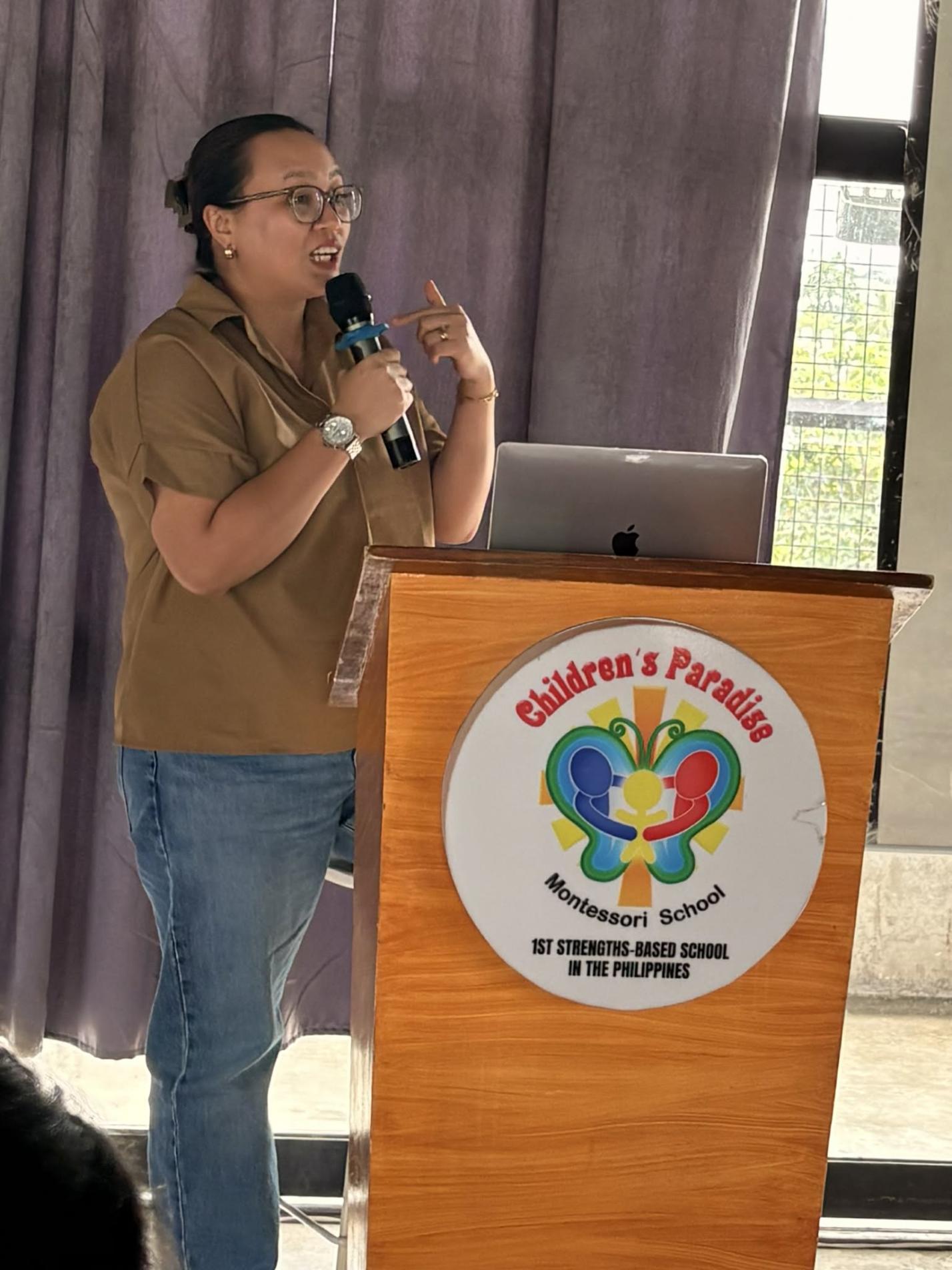
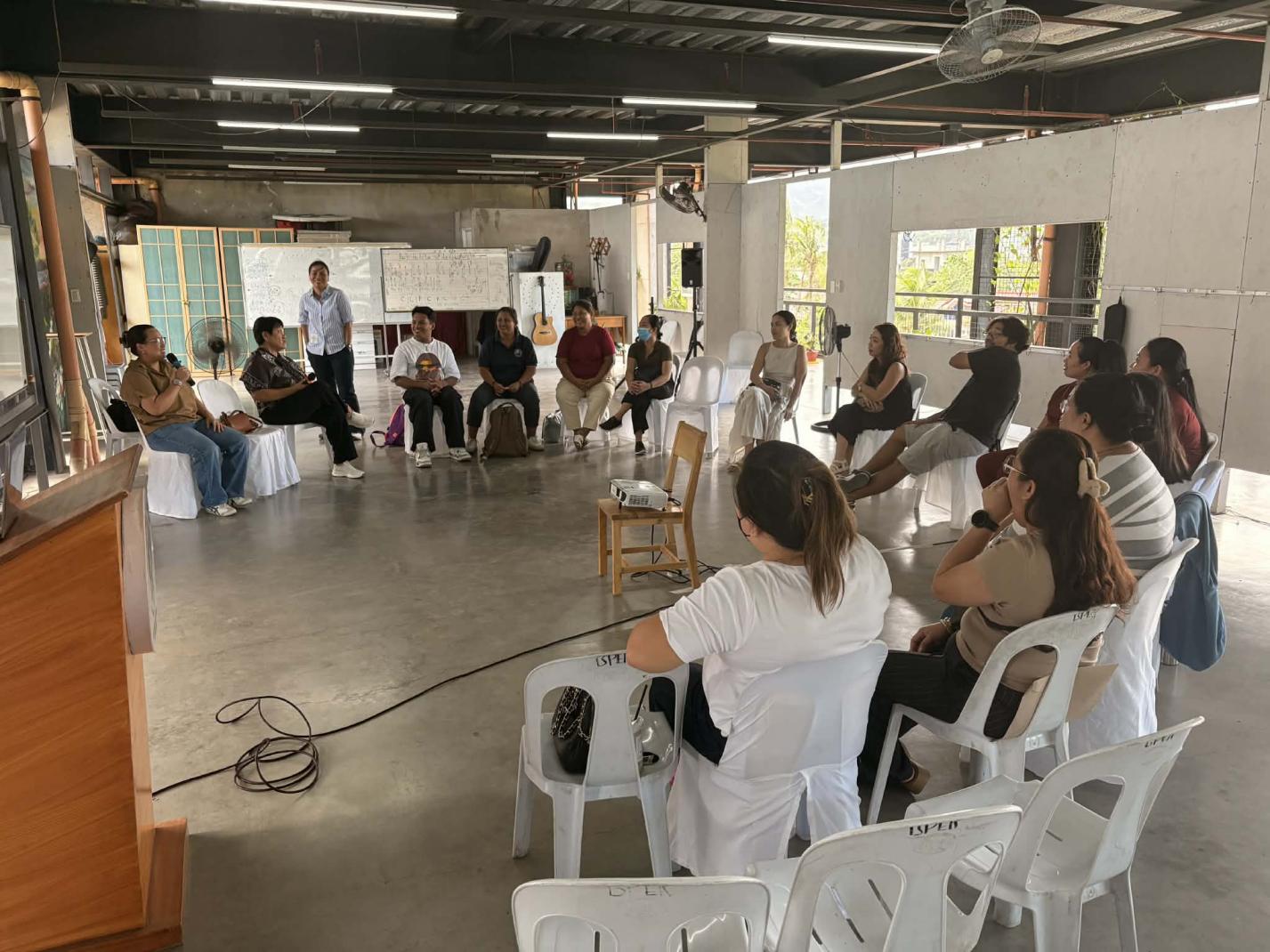
For Shynet Berou, the biggest change was communication. After the workshop, she began expressing feelings instead of reacting. She shared how applying this at home—simply telling her children how she felt—stopped a recurring conflict and created calm. “It made me realize that understanding your own emotions helps you understand others,” she said.
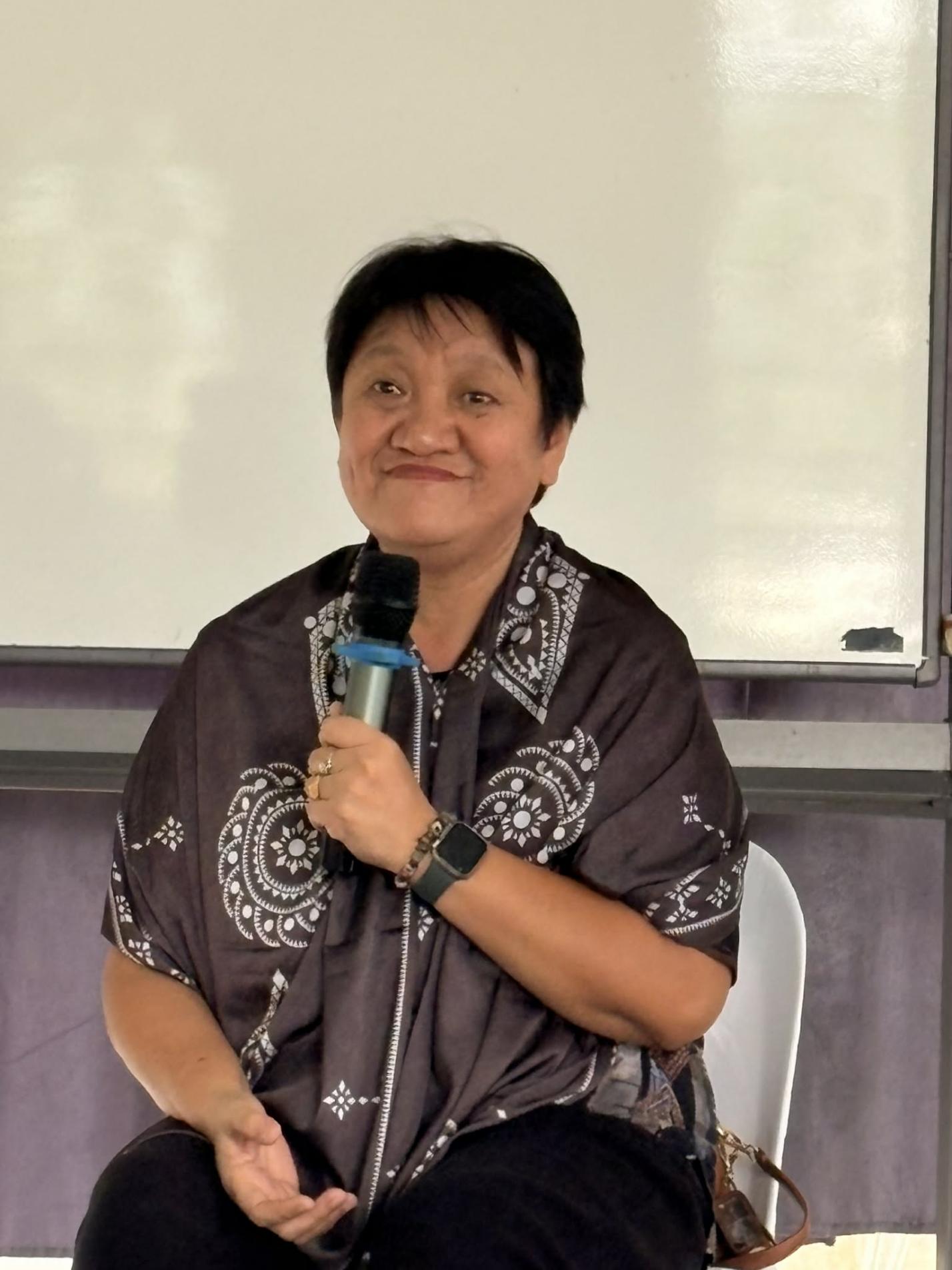
1st and only internatuonally certified Nonviolent Communication trainer in the Philippines, Amina Mambuhay defined compassionate parenting as a “power with” relationship—where both parent and child listen to each other’s feelings and needs, instead of control or submission.
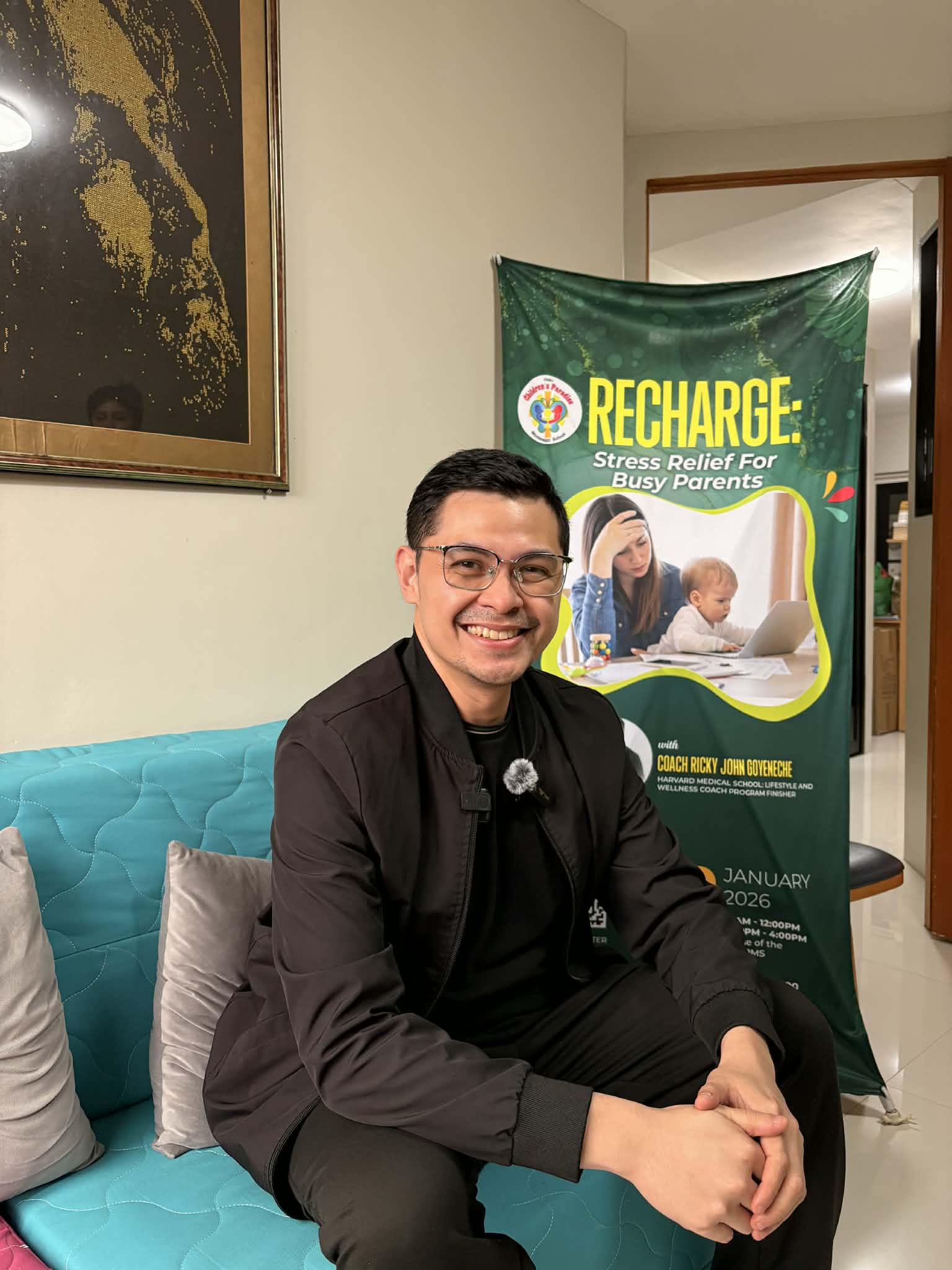
Coach Ricky John Goyeneche explained that reactive parenting often comes from stress patterns learned early in life.
He emphasized awareness, reframing, visualization, and language as tools to interrupt these patterns—reminding parents that change begins with their own behavior, not just their instructions. “Parenting is not just about raising a child,” he said. “It’s about becoming better for the child.”
By 2030, CPMS envisions itself as a hub for mental health advocacy—beginning not with systems or structures, but with families, and the parents who shape a child’s world.
Because before we build resilient children, we must first strengthen the people who raise them.
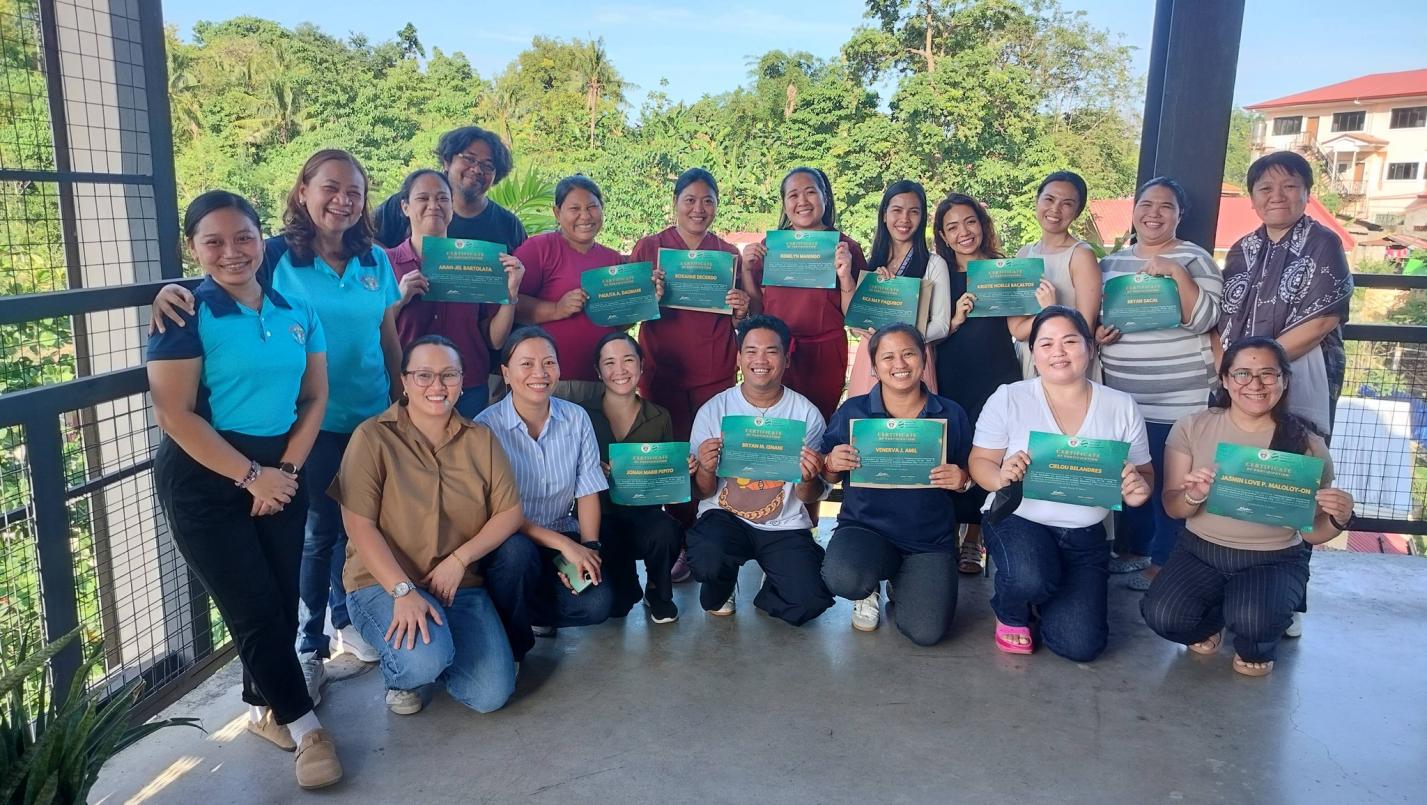
To join and collaborate in future mental well-being initiatives, workshops, and trainings, please contact 0920-9522509 or email cpms.learningcommunity@gmail.com