

The end of January marks a fruitful beginning for Children’s Paradise Montessori School (CPMS) as the institution marked its 21st founding anniversary. Solidifying its vision, CPMS held a landmark event that formally launched CPMS 2.0, a renewed institutional vision anchored on purposeful innovation, inclusive education, and sustainable mental well-being.
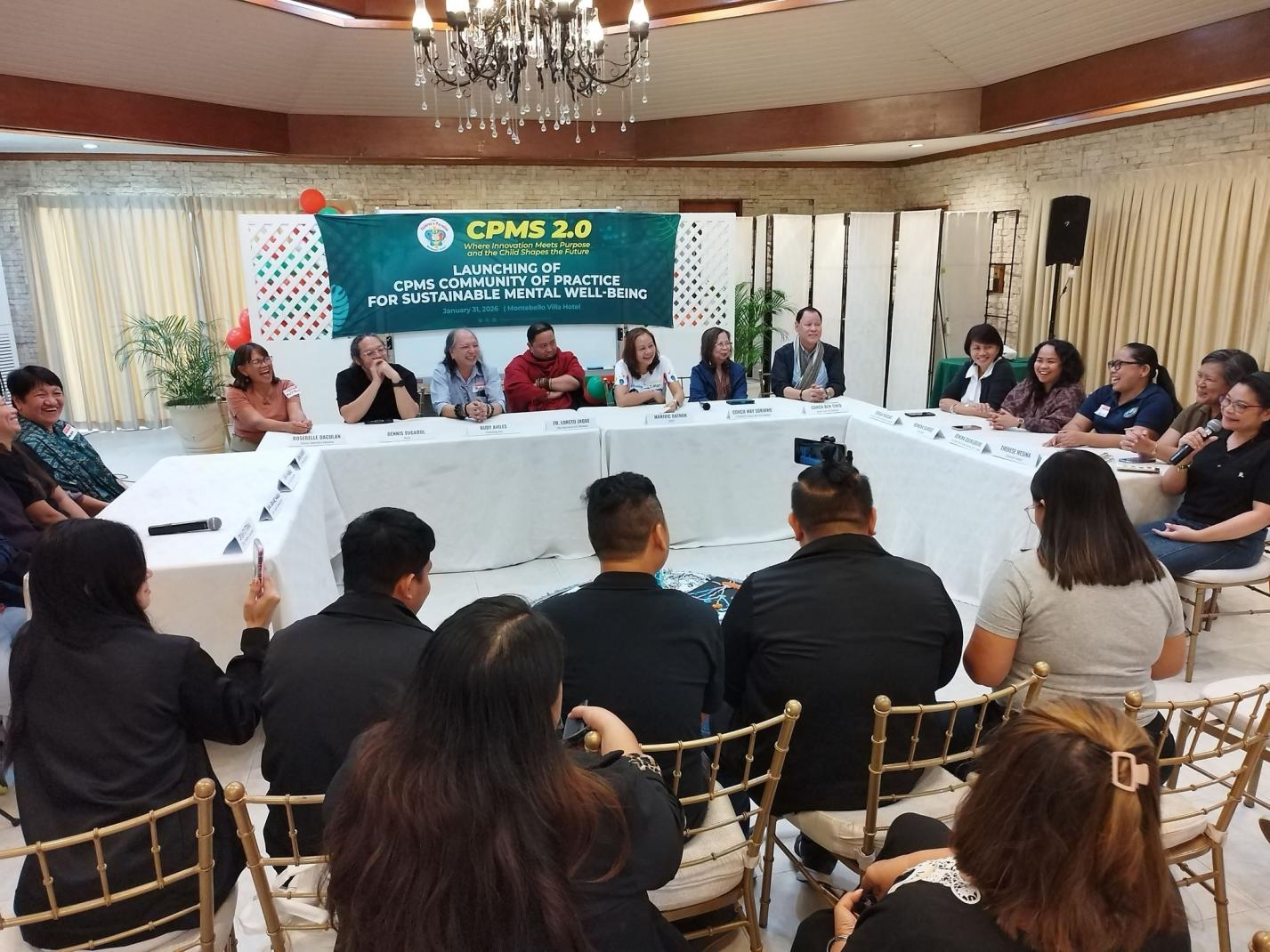
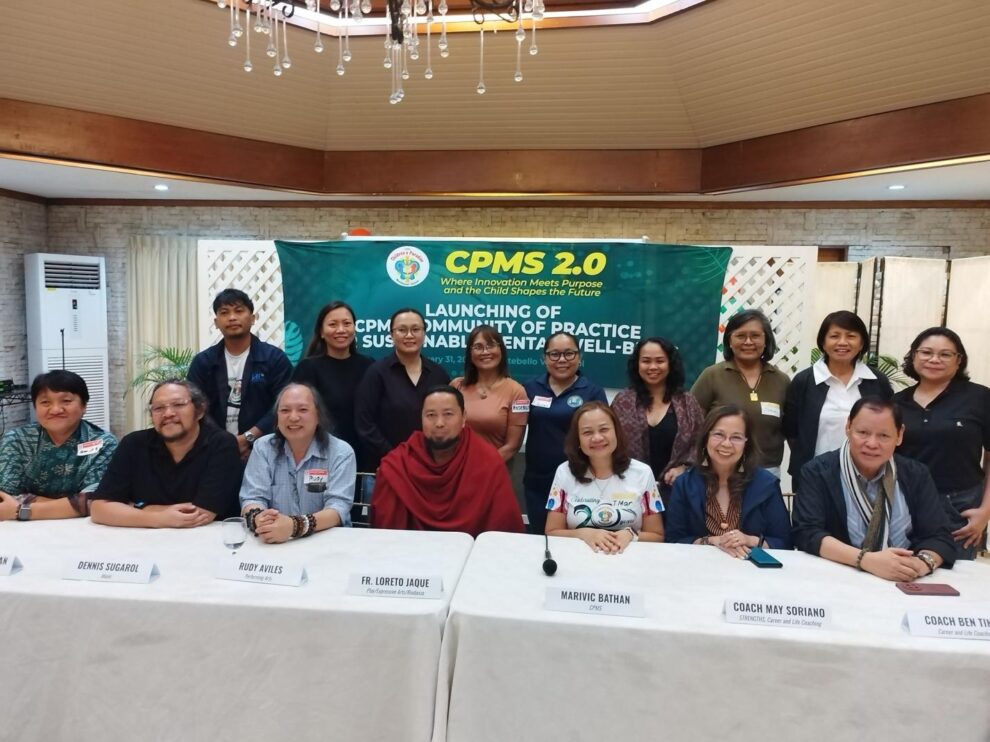
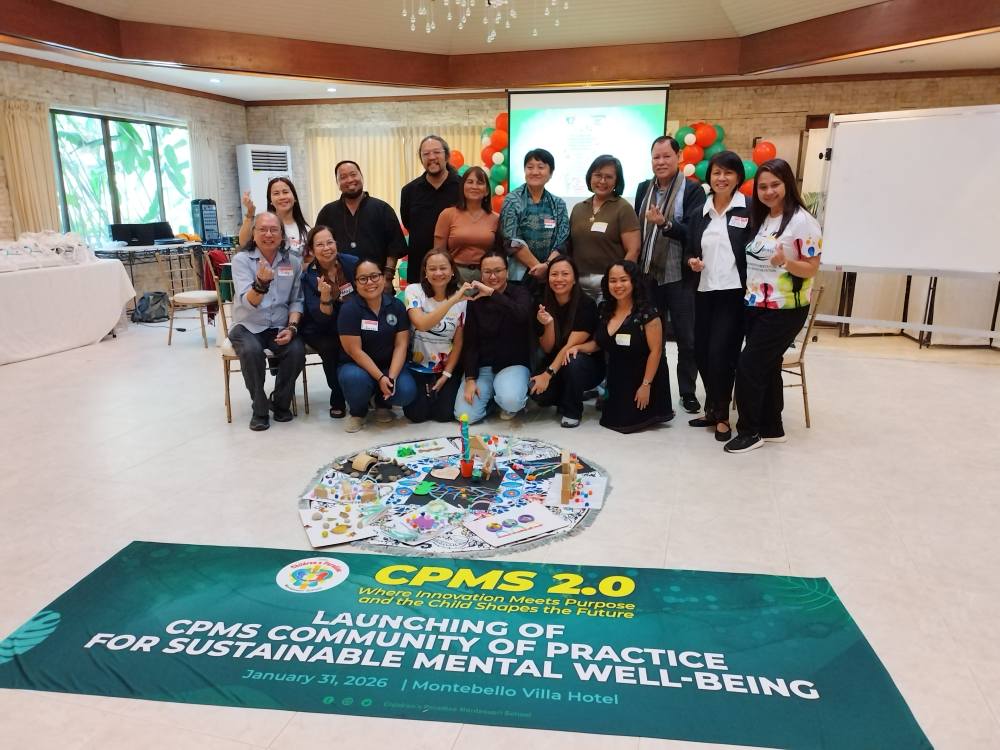
Held at Montebello Villa Hotel, the celebration brought together experts, consultants, guardians, partners, and key stakeholders in a culminating event that reflected on CPMS’s two-decade journey and charted a clear direction for its future. At the heart of the celebration was the Launching of the CPMS Community of Practice for Sustainable Mental Well-Being, a new initiative under CPMS 2.0.
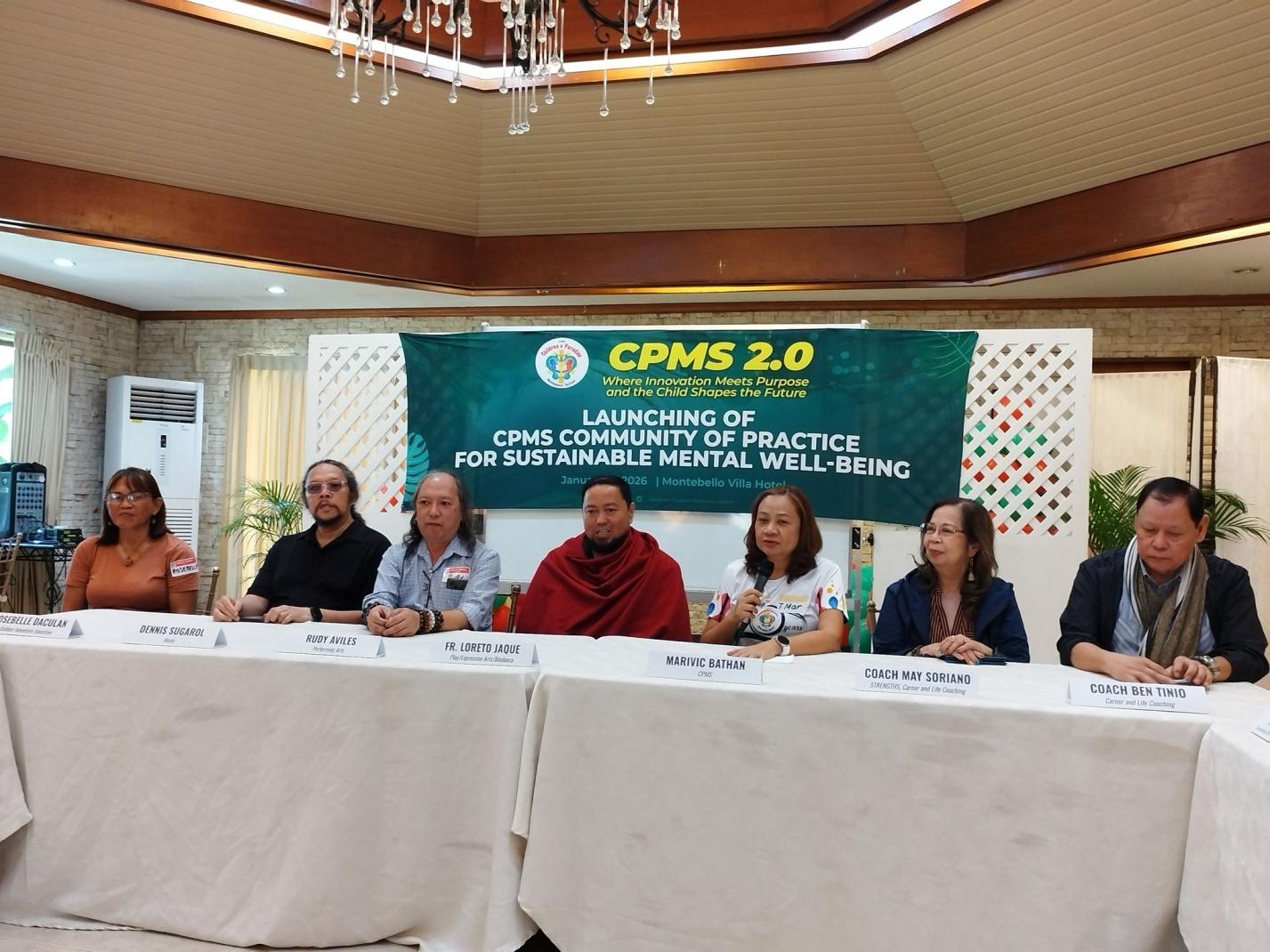
CPMS founder and president Marivic Bathan emphasized that CPMS’s evolution toward CPMS 2.0 began last year, underscoring that innovation at CPMS must always serve a clear purpose.
“And the purpose of CPMS is that we love and value children. Anything, any innovation that meets that purpose, we go for it. And this is an innovation right here. Our community of practice for sustainable mental well-being is an innovation of CPMS,” Bathan said.
As CPMS entered its 21st year, the institution paused to reflect, asking whether inclusivity alone captured the deeper calling of the school. According to Bathan, this introspection led to the articulation of CPMS 2.0, described as “where innovation meets purpose, and the child shapes the future.”
A Community Powered by Connection, Creativity, and Legacy
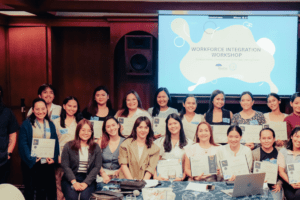
A key highlight of the event was the official launch of the CPMS Community of Practice for Sustainable Mental Well-Being, bringing together 15 expert consultants from Luzon, Visayas, and Mindanao alongside CPMS, its founder.
For the first time, a workshop gathered consultants as collaborators and guardians of the CPMS mission, aligning their expertise to CPMS 2.0 direction through a creative process that engaged movement, expressive arts, visualization, and reflection.
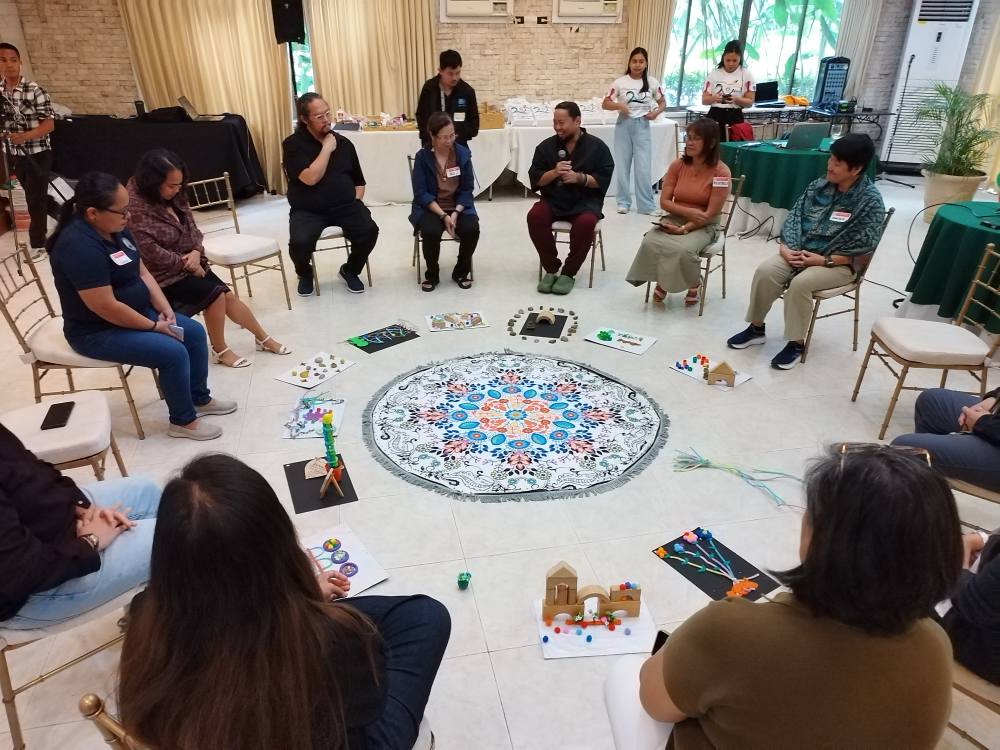
The consultants presented and explained their artworks which collectively highlighted the core values of growth, inclusivity, and collaboration, all instrumental to the realization of CPMS 2.0. The gathering formed a core group committed to supporting and bringing to life the direction of CPMS as it moves forward fulfilling its greater calling in developing, building, and commissioning mental health advocates.
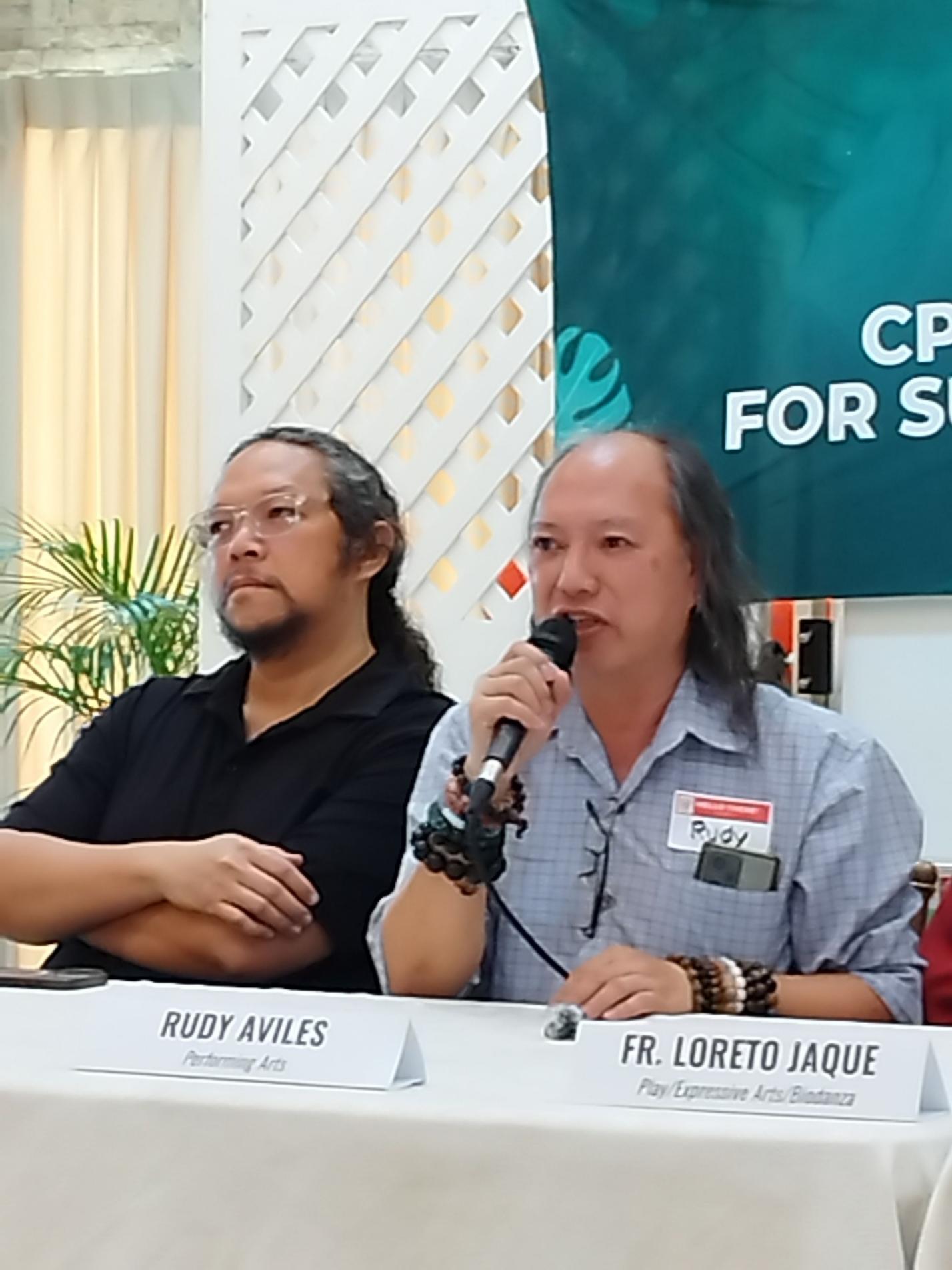
Synthesizing the workshop experience, Rudy Aviles, CPMS Creative Director and Performing Arts consultant, shared insights on connection, creativity, and legacy.
“If the heart is the engine of the human experience, then the heart is the fuel. What we are creating right now is a connection. The heart can never exist without art. It is only in a creative community that we can foster our dreams, our passion, and what is inside us,” he said.
“When people are happy, the world becomes happier. Even when we are gone, we will be happy knowing our children continue that legacy,” he added, noting that the artists of CPMS are creators, movers, and builders of the greatest human experience.
The workshop was followed by a press conference where each consultant shared how they take care of their own mental health, reinforcing the initiative’s advocacy through lived practice.
Inclusivity as a Living Practice
Father Loreto Jaque, Play/Expressive Arts/Biodanza consultant, underscored that CPMS’s collaboration with its consultants is deeply rooted in inclusivity. He stressed how it celebrates differences, challenges the myth of normalcy, and recognizes diverse behaviors and achievements. Father Jaque highlighted that CPMS serves a broader educational and caregiving mission, strengthened through collaboration among many contributors, each holding an essential part of the overall design.
Communities for Alternative Food Ecosystems Initiative (CAFEI) consultant Teresa Ruelas echoed this perspective. She defined how inclusivity is one of the strengths of CPMS.
“We’re part of a larger design. We’re not the only ones that exist, we are serving a broader, alternative way, in this case, through education and care for children. It takes many people, each holding a different part of the design. We have to show up, name it, claim it, and bring it into something concrete, and we have to do it together. It’s like pieces of a puzzle. I need to be clear about my piece. It’s a new picture,” she stated.
A Purpose-Driven Innovation
During the CPMS Fiesta celebration, Bathan presented the school’s five-year business model canvas, outlining how CPMS 2.0 would function as a model Montessori institution.
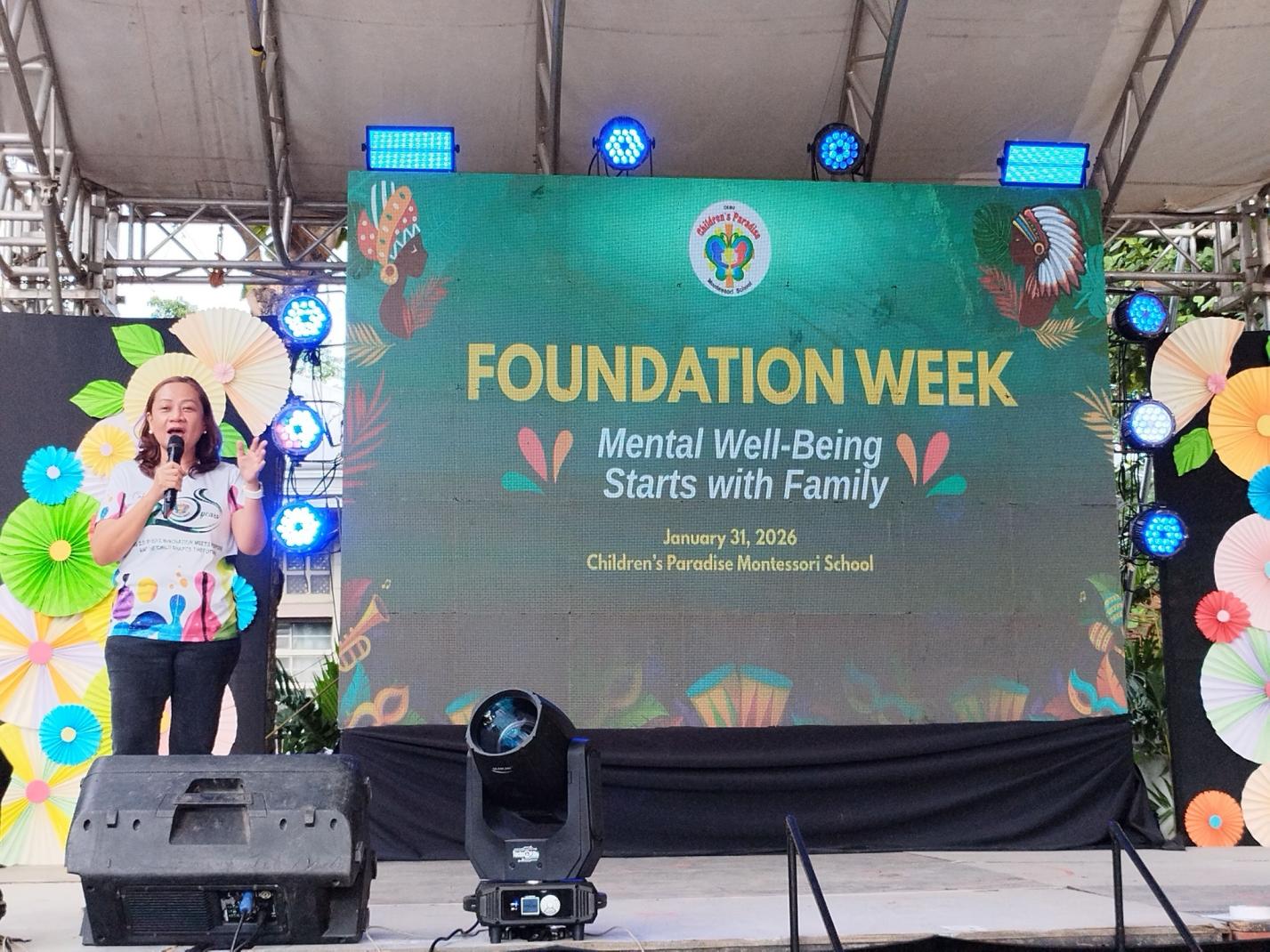
“We’d like to focus on what our unique service proposition is – An effective Montessori education program aimed at developing mental health and life skills for neurodivergent and neurotypical learners through a learning environment that is, number one, inclusive, number two, family-oriented, and number three, community-driven.” Bathan stated.
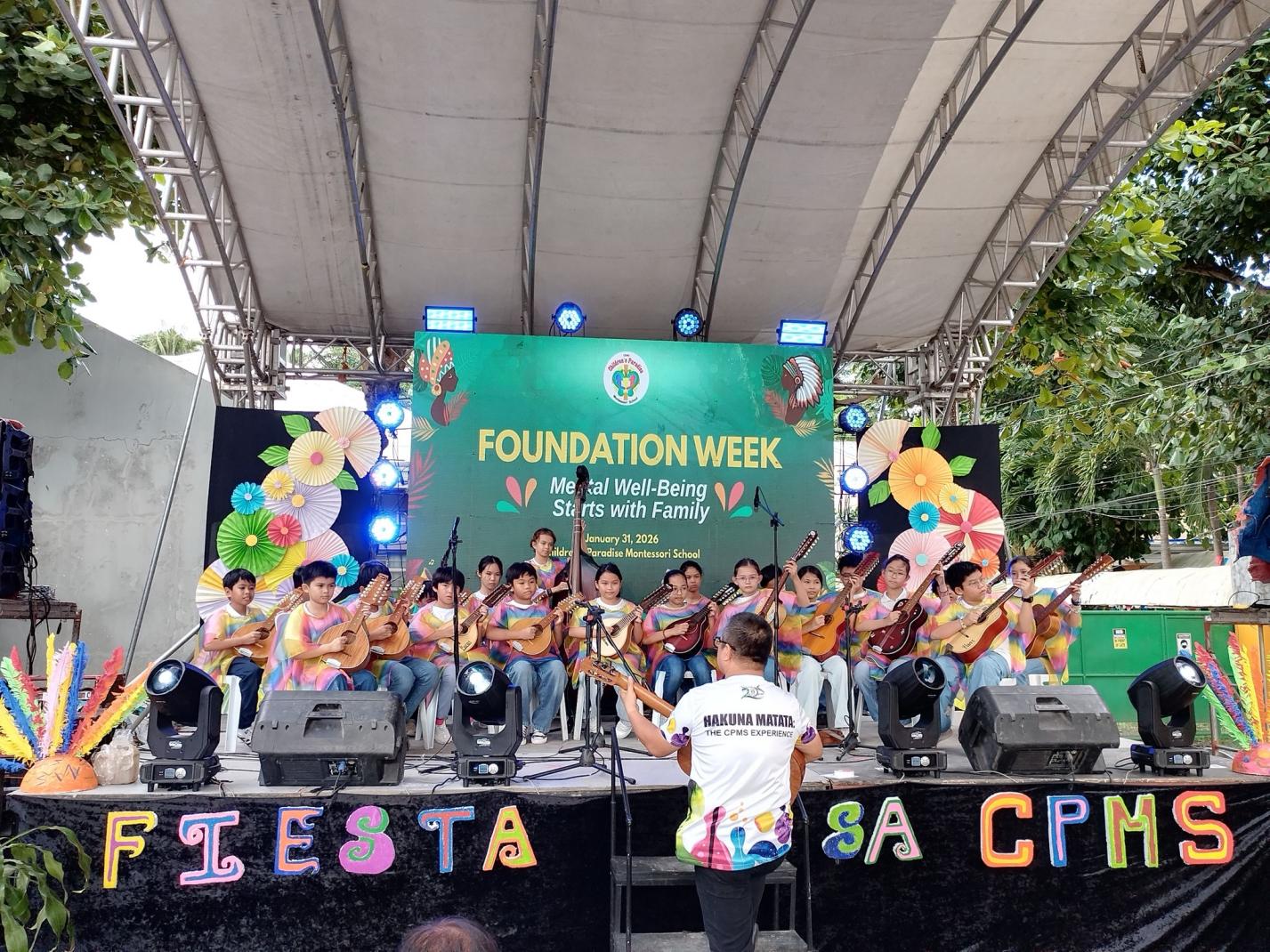
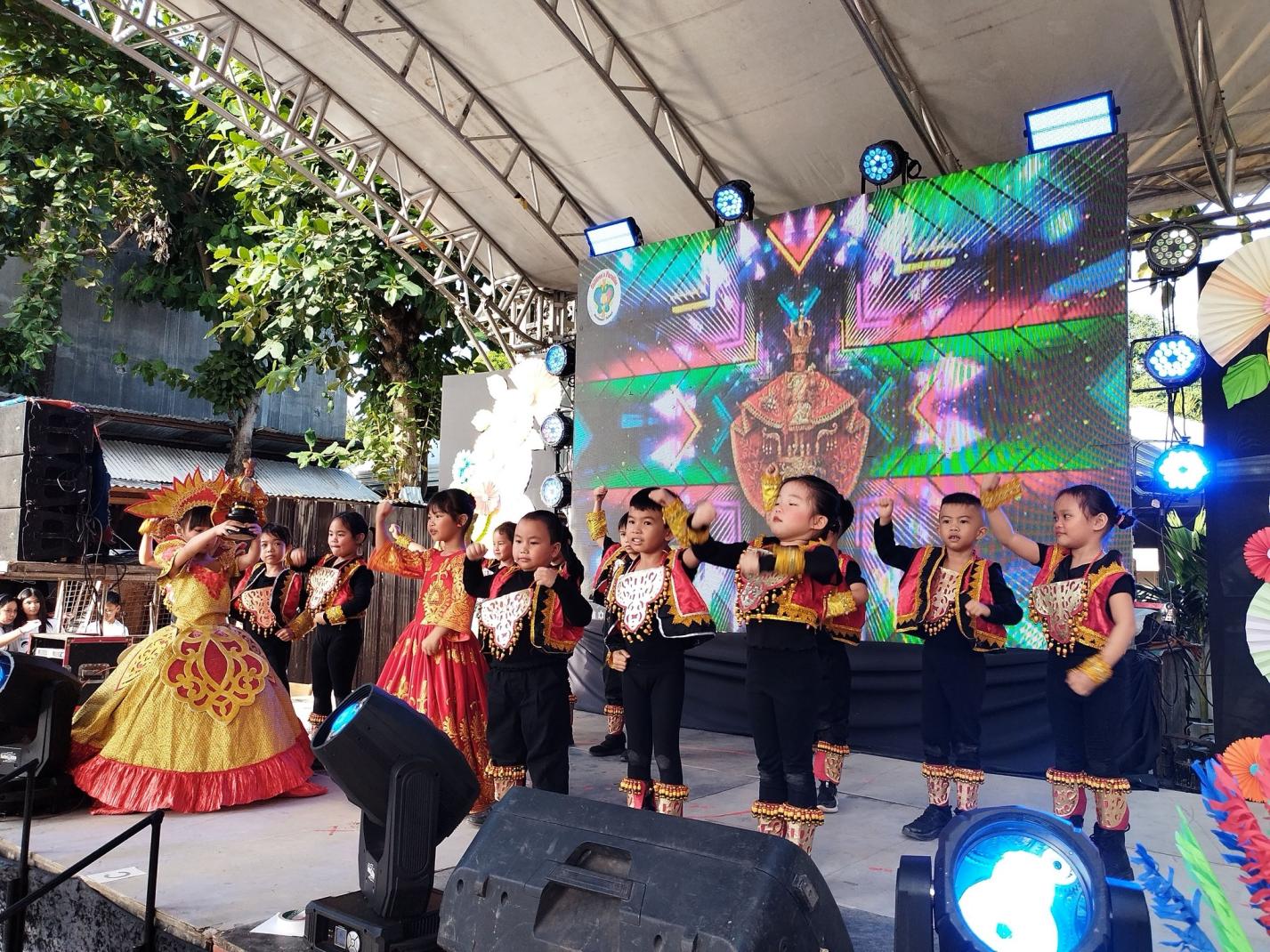
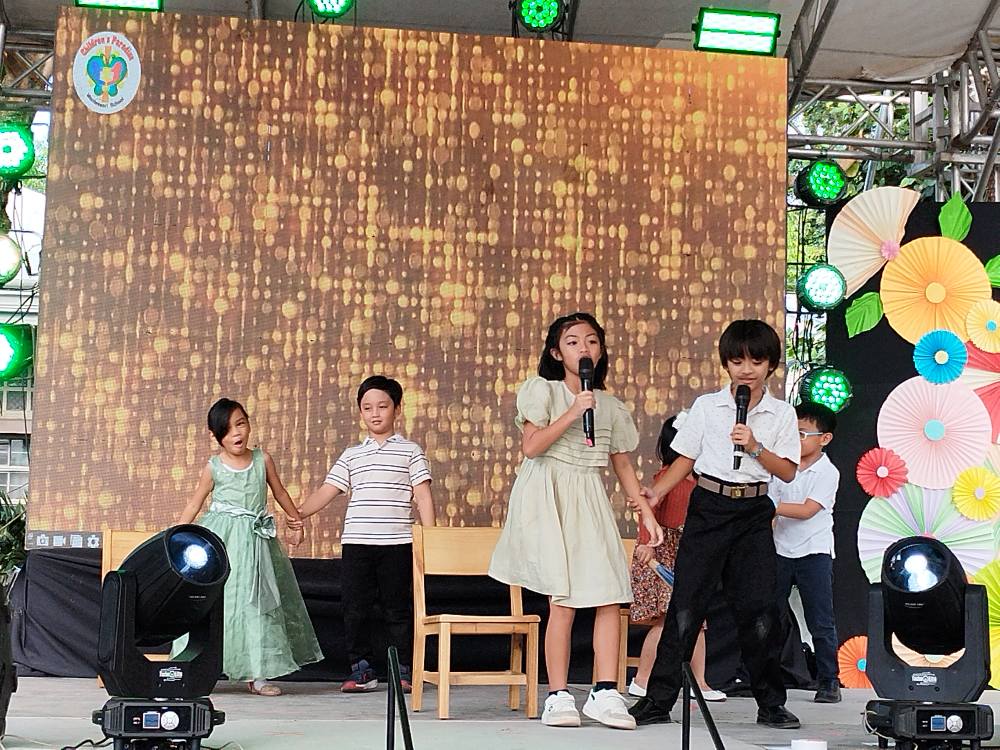
For 2 decades, CPMS has been known for its person-centered, experiential, and developmental approach to learning, advocating for non-traditional education that honors the individuality of each child.
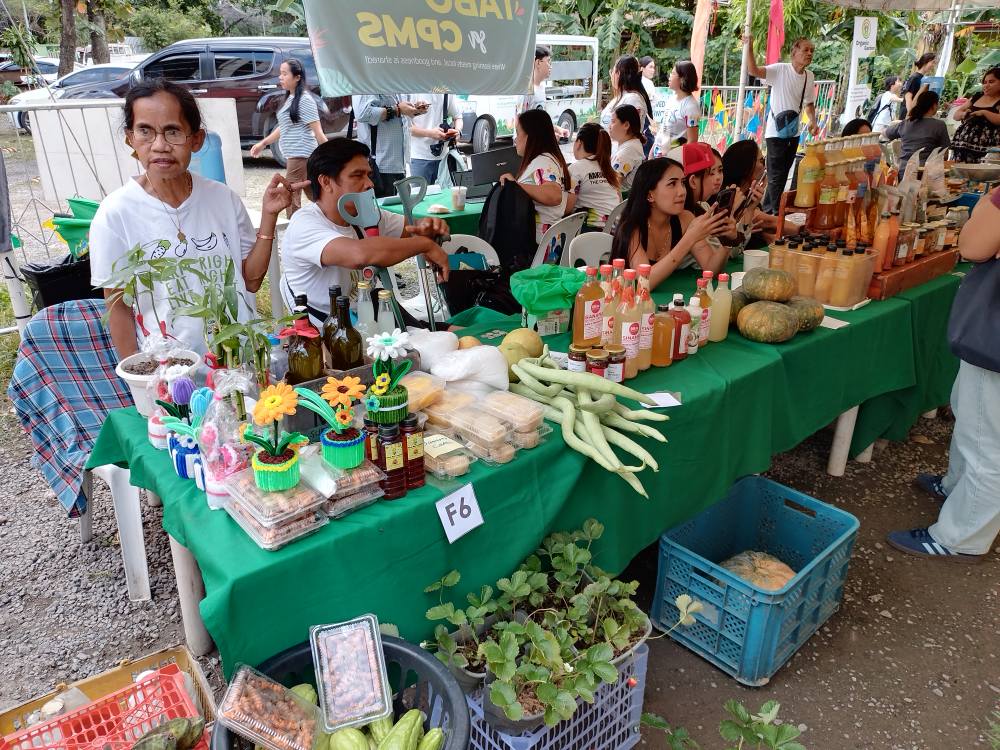
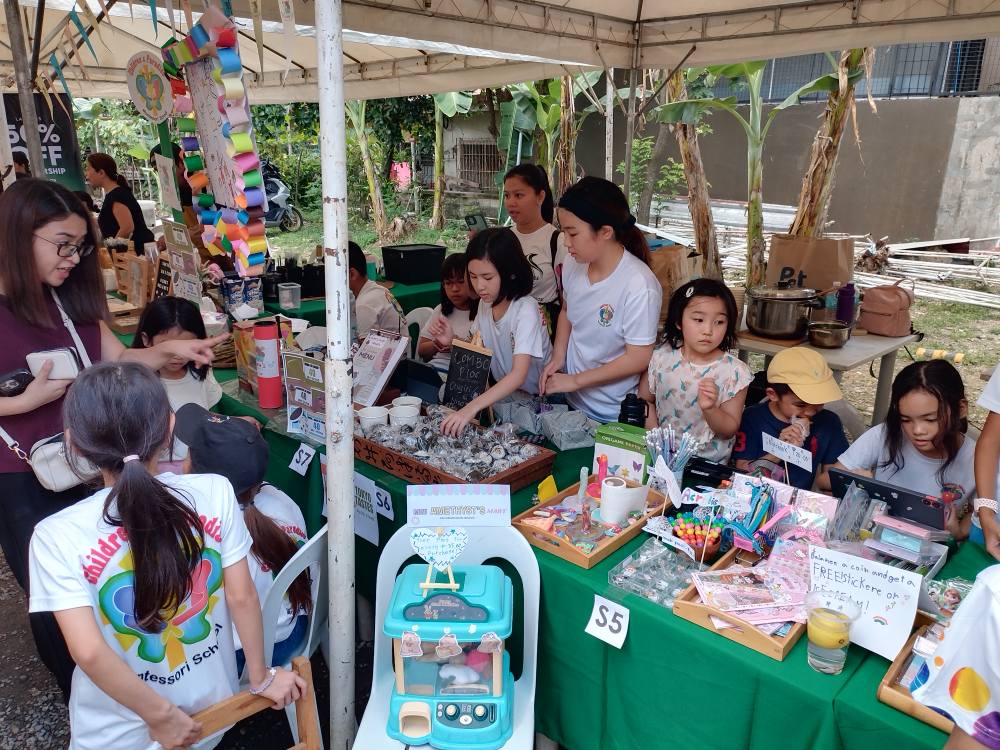
Through initiatives like the Community of Practice for Sustainable Mental Well-Being, CPMS continues to build a future where education nurtures not only academic excellence but also emotional resilience, creativity, and human connection.