





With Cebu continuing to face the realities of stronger typhoons, flooding, and climate-related disruptions, Governor Pam Baricuatro is reinforcing a governance approach centered on preparedness, rapid response, and coordinated action ensuring that every Cebuano is protected before, during, and after disasters.
Governor Baricuatro has placed disaster readiness at the core of provincial leadership, shifting from reactive emergency measures to a proactive, data-driven strategy designed to minimize risk, safeguard lives, and accelerate recovery.
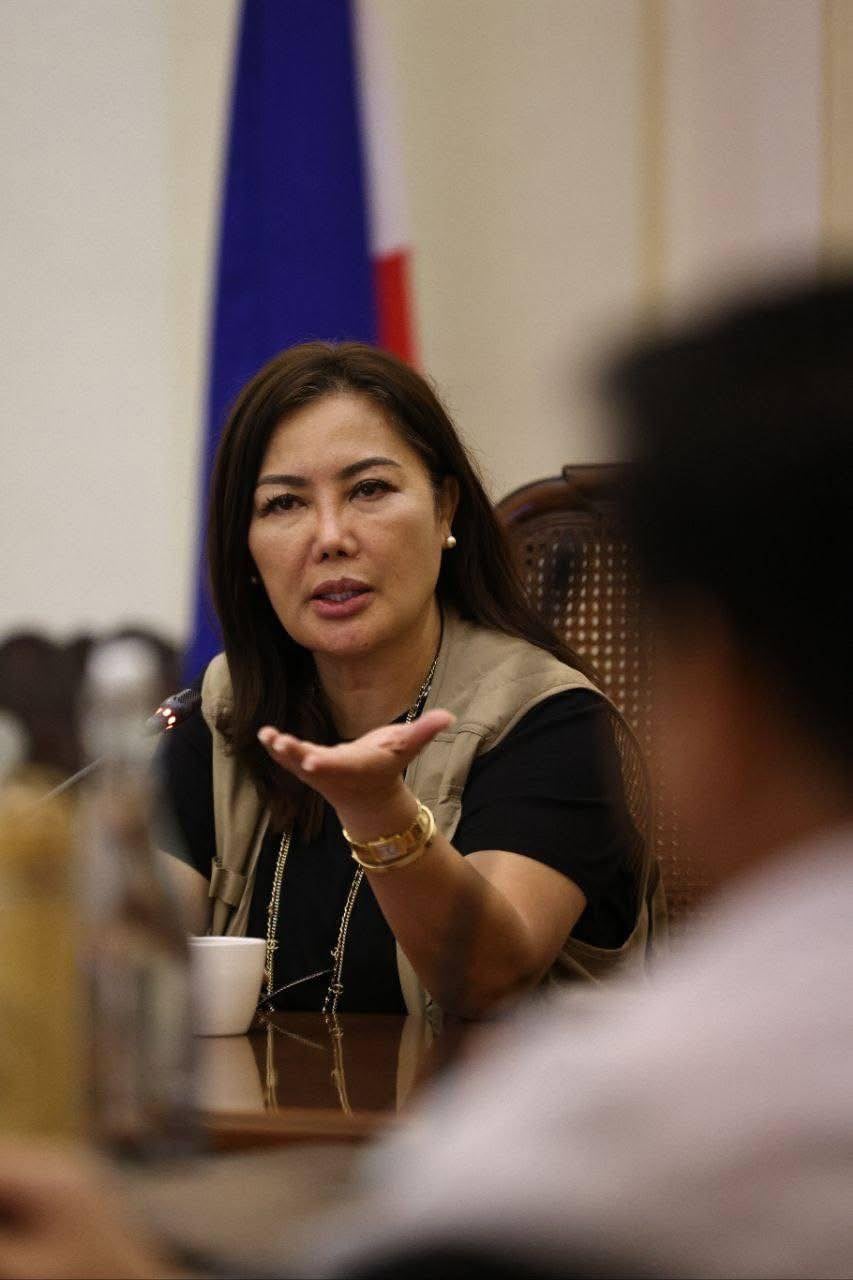
“Disasters should never catch us unprepared,” Governor Baricuatro said. “Our responsibility is to anticipate, act early, and stand with our communities every step of the way.”
Proactive, Data-Guided Preparedness
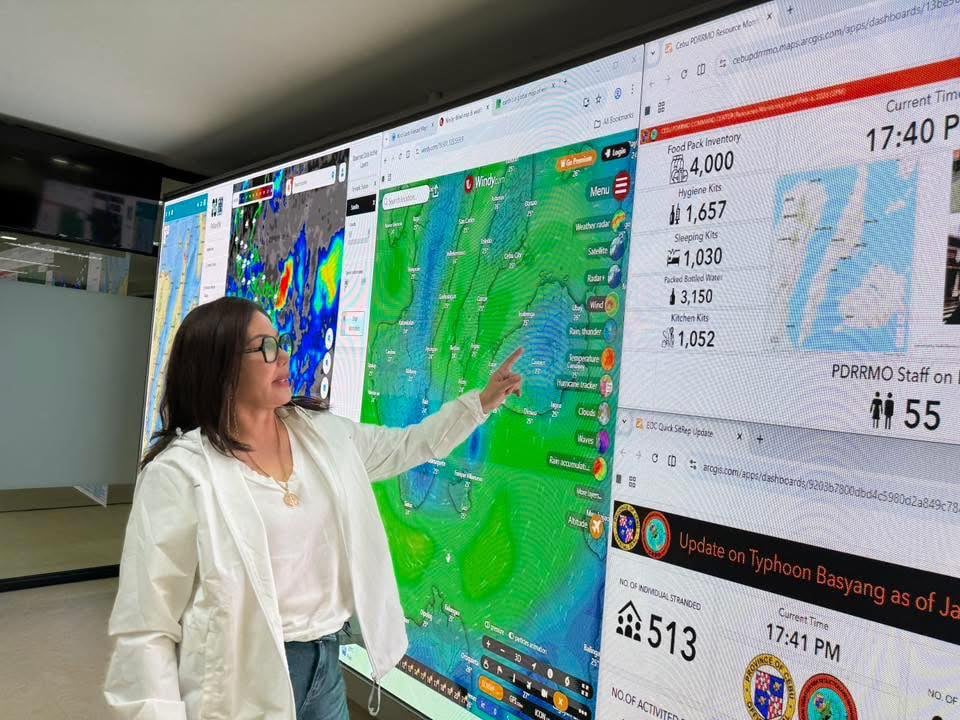
Under the Governor’s direction, the Provincial Disaster Risk Reduction and Management Office (PDRRMO) has strengthened its use of real-time weather intelligence, hazard mapping, and predictive data analysis to guide early warnings and pre-emptive evacuations in high-risk areas.
Local governments are now equipped with clearer protocols, faster information flows, and synchronized response systems ensuring that decisions are made based on science, not urgency alone.
This shift enables Cebu to move critical resources ahead of landfall, reduce exposure in vulnerable communities, and avoid the delays that historically complicated disaster response.
Faster Mobilization, Stronger Coordination
Governor Baricuatro has prioritized seamless coordination among LGUs, national agencies, and uniformed services, creating an integrated response network that activates even before severe weather hits.
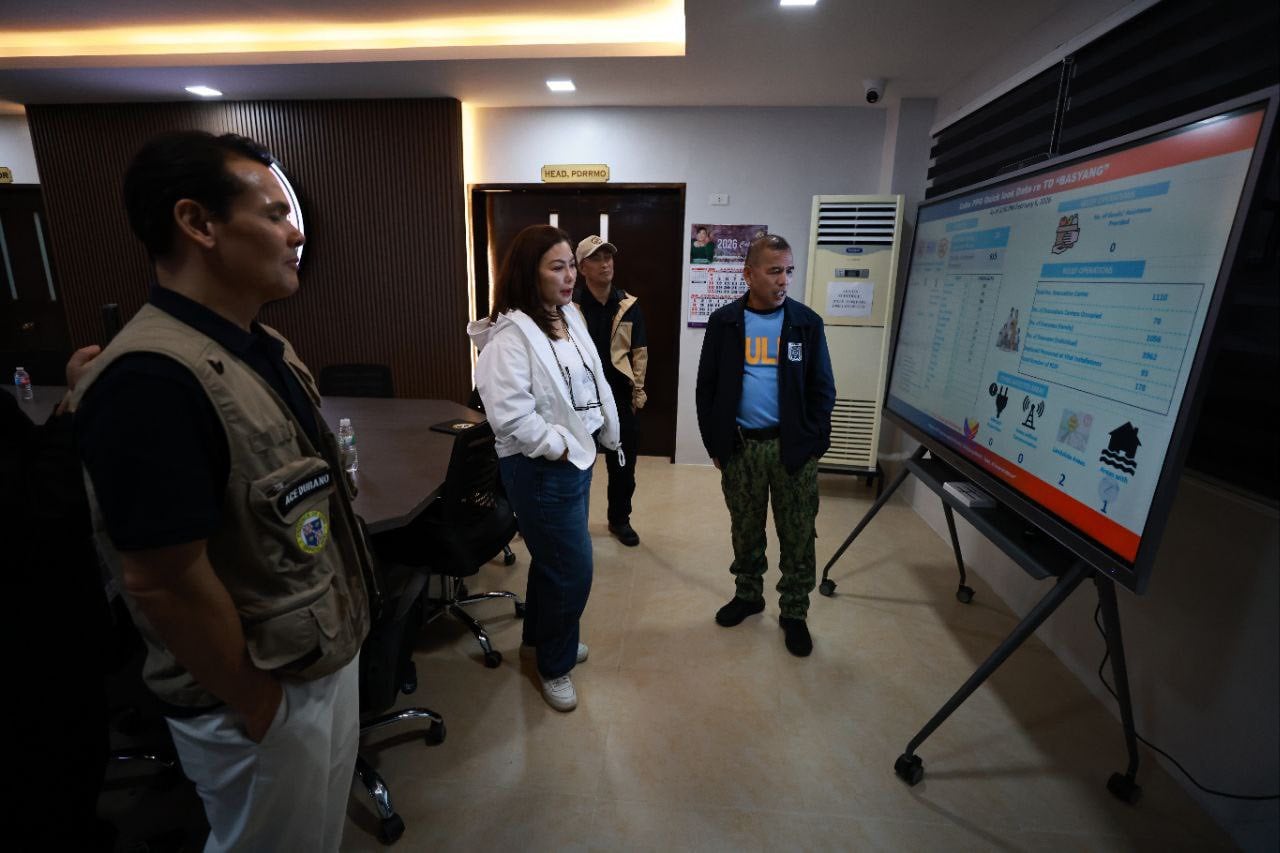
Joint planning and regular inter-agency simulations now align provincial teams with the Armed Forces of the Philippines, Philippine National Police, Coast Guard, and national disaster authorities allowing rescue, relief, and clearing operations to begin immediately when needed.
“The goal is simple: no duplication, no confusion just unified action,” the Governor emphasized.
Visible Leadership in Times of Crisis
Governor Baricuatro has maintained a hands-on presence during severe weather events, personally overseeing emergency operations, monitoring evacuation readiness, and ensuring that frontline responders receive the logistical support required to act swiftly.
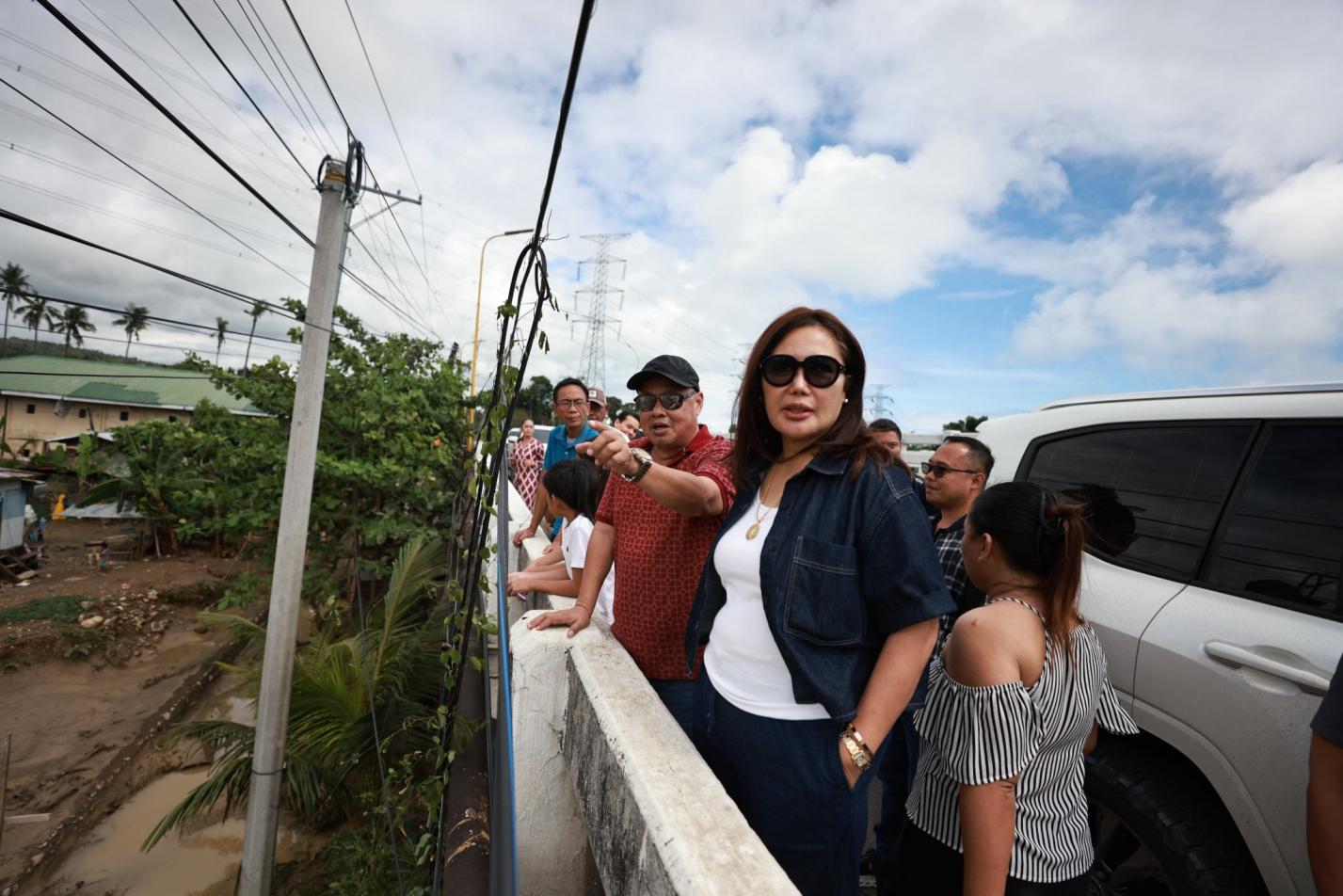
Her leadership model emphasizes clarity, calm decision-making, and direct engagement with affected communities strengthening public confidence during uncertain moments.
Building Long-Term Resilience
Beyond emergency response, the provincial government is investing in long-term resilience measures, including:
• Strengthened early warning systems across municipalities
• Pre-positioning of relief supplies and emergency equipment
• Climate-resilient infrastructure planning in coordination with national agencies
• Capacity-building programs for barangay-level disaster response teams
• Continuous risk assessment to guide land-use and development decisions
These initiatives aim not only to respond to disasters but to reduce their impact over time as climate patterns evolve.
A Safer, More Prepared Cebu
Governor Baricuatro underscored that disaster preparedness is ultimately about protecting livelihoods, sustaining economic activity, and ensuring that families can recover quickly and with dignity.
“Our duty is to make sure Cebu is ready not only to withstand crises, but to emerge stronger from them,” she said.
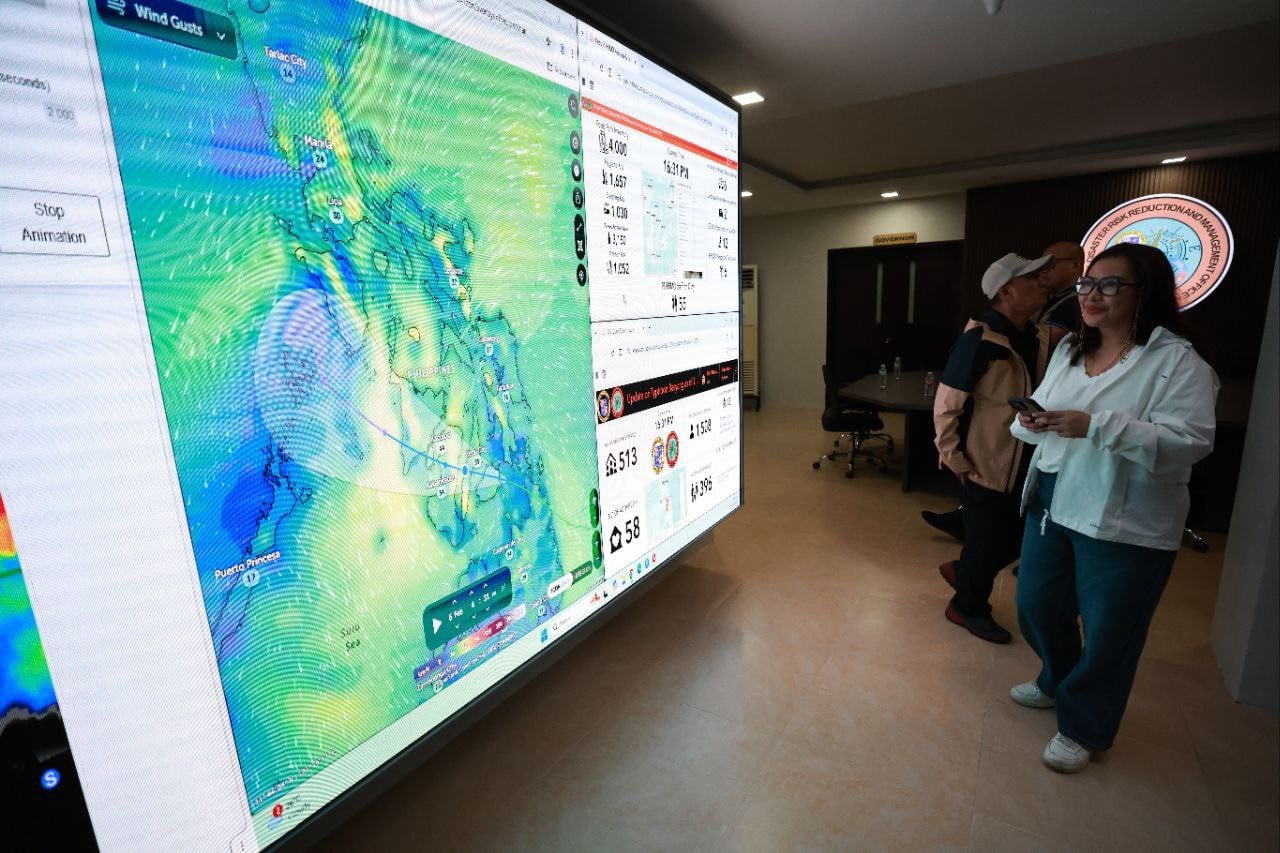
As climate risks intensify across the region, Cebu Province continues to strengthen its systems, partnerships, and leadership to safeguard communities and build a culture of preparedness that endures beyond any single storm.