



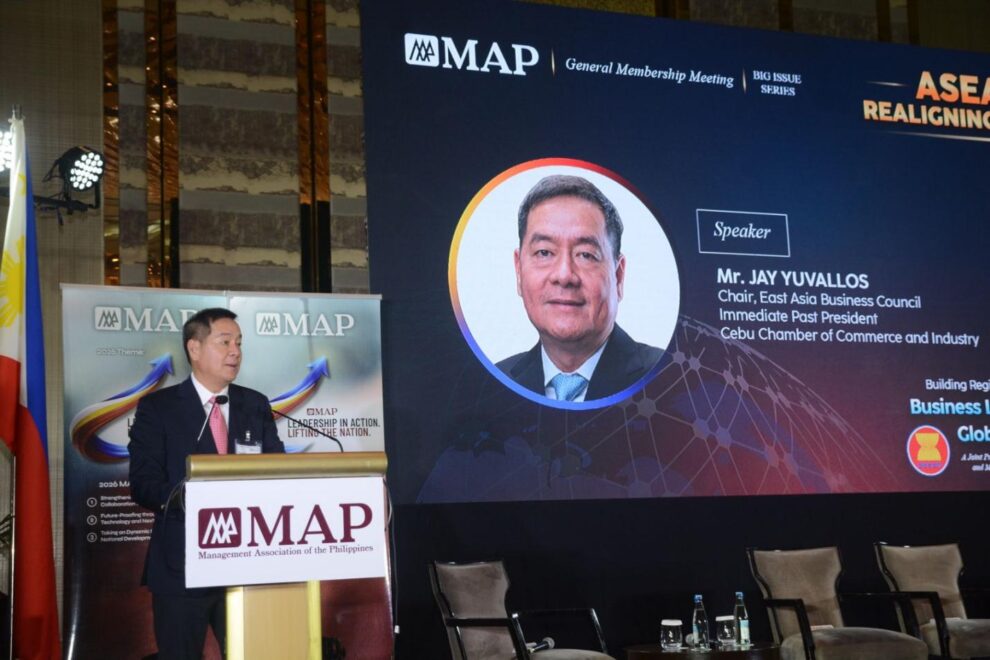

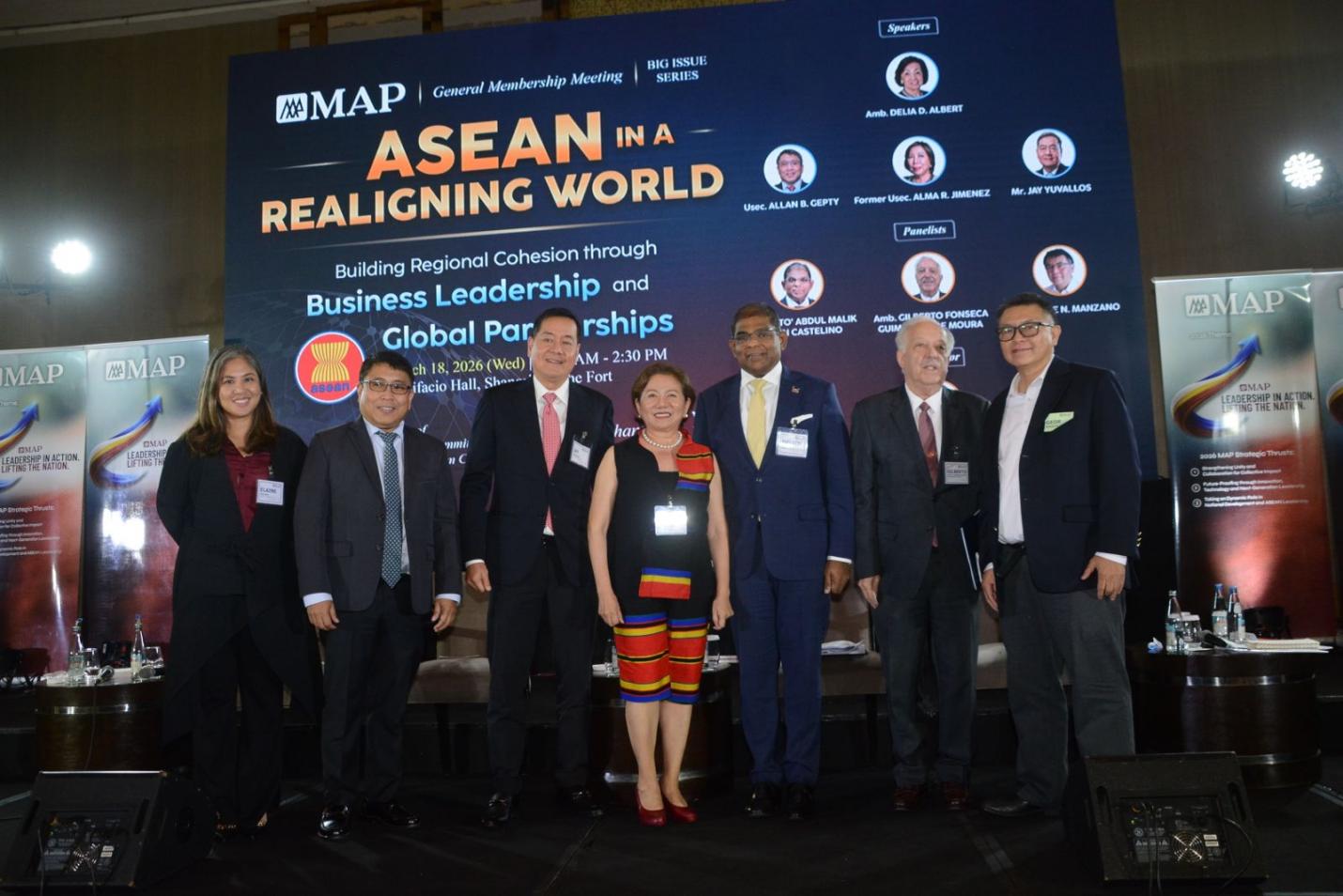
As the Regional Comprehensive Economic Partnership (RCEP) reshapes trade and supply chains across East Asia, Philippine businesses must accelerate their integration into the regional economy to remain competitive and resilient in an increasingly volatile global environment, according to East Asia Business Council (EABC) Philippines Chair Jay Yuvallos.
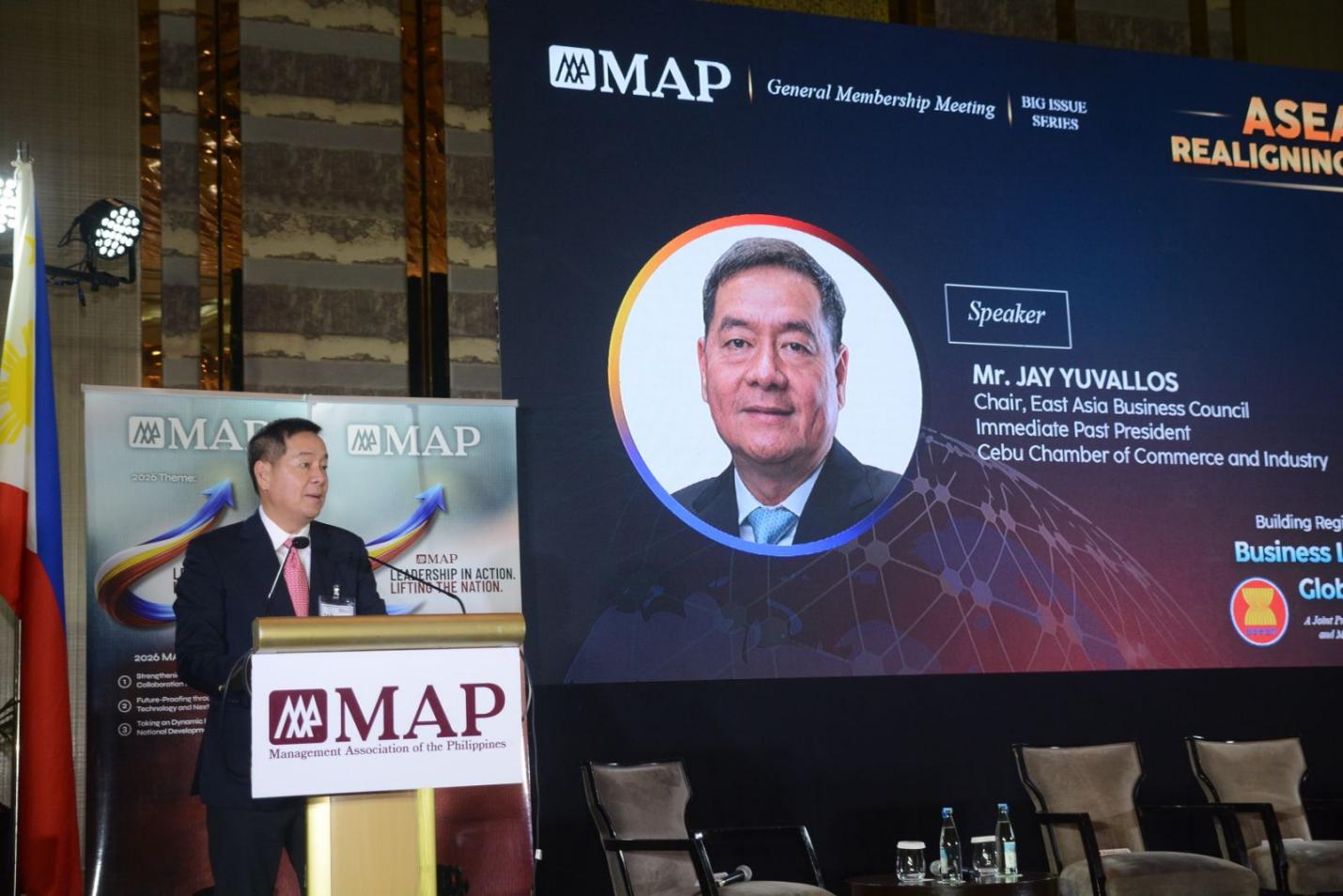
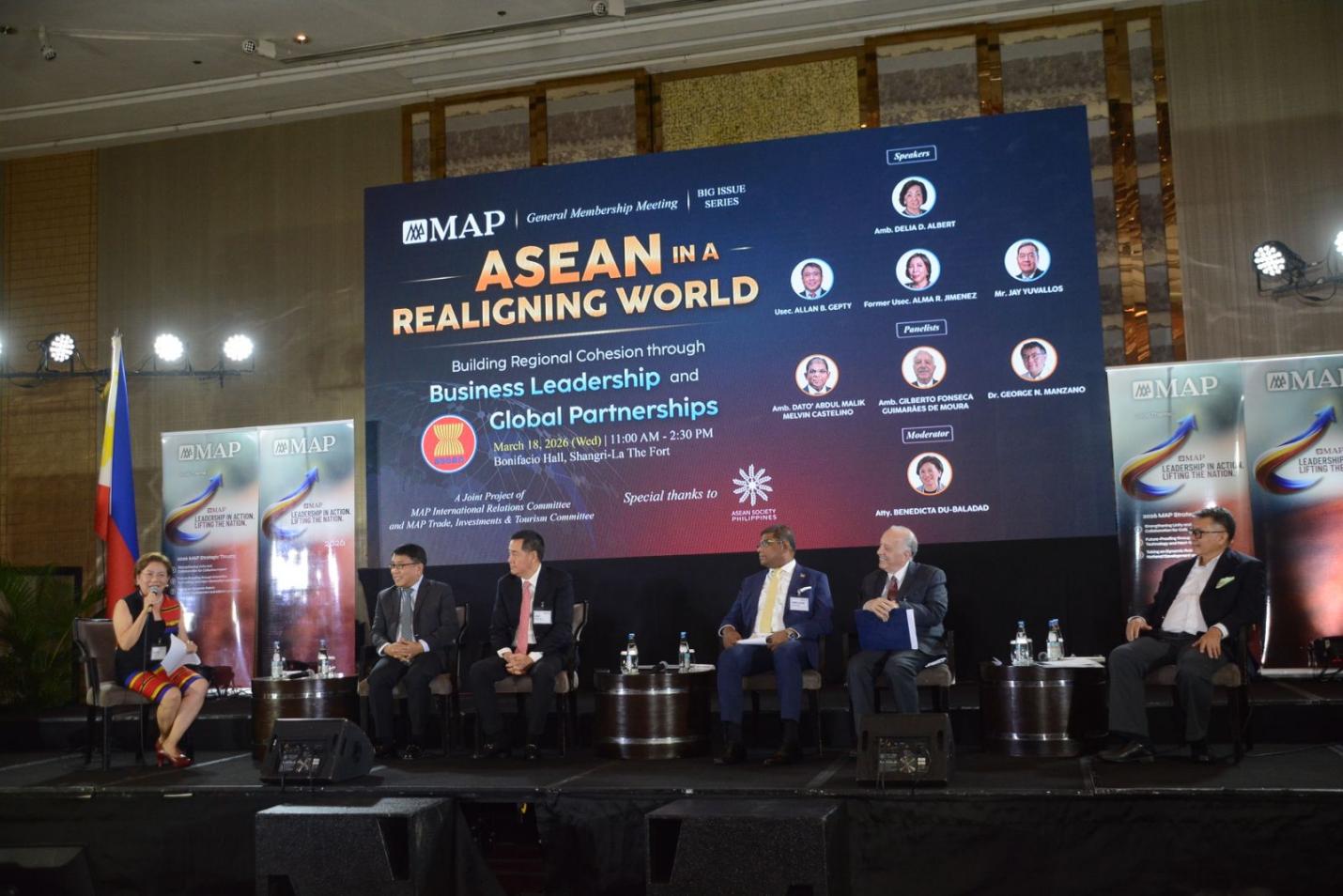
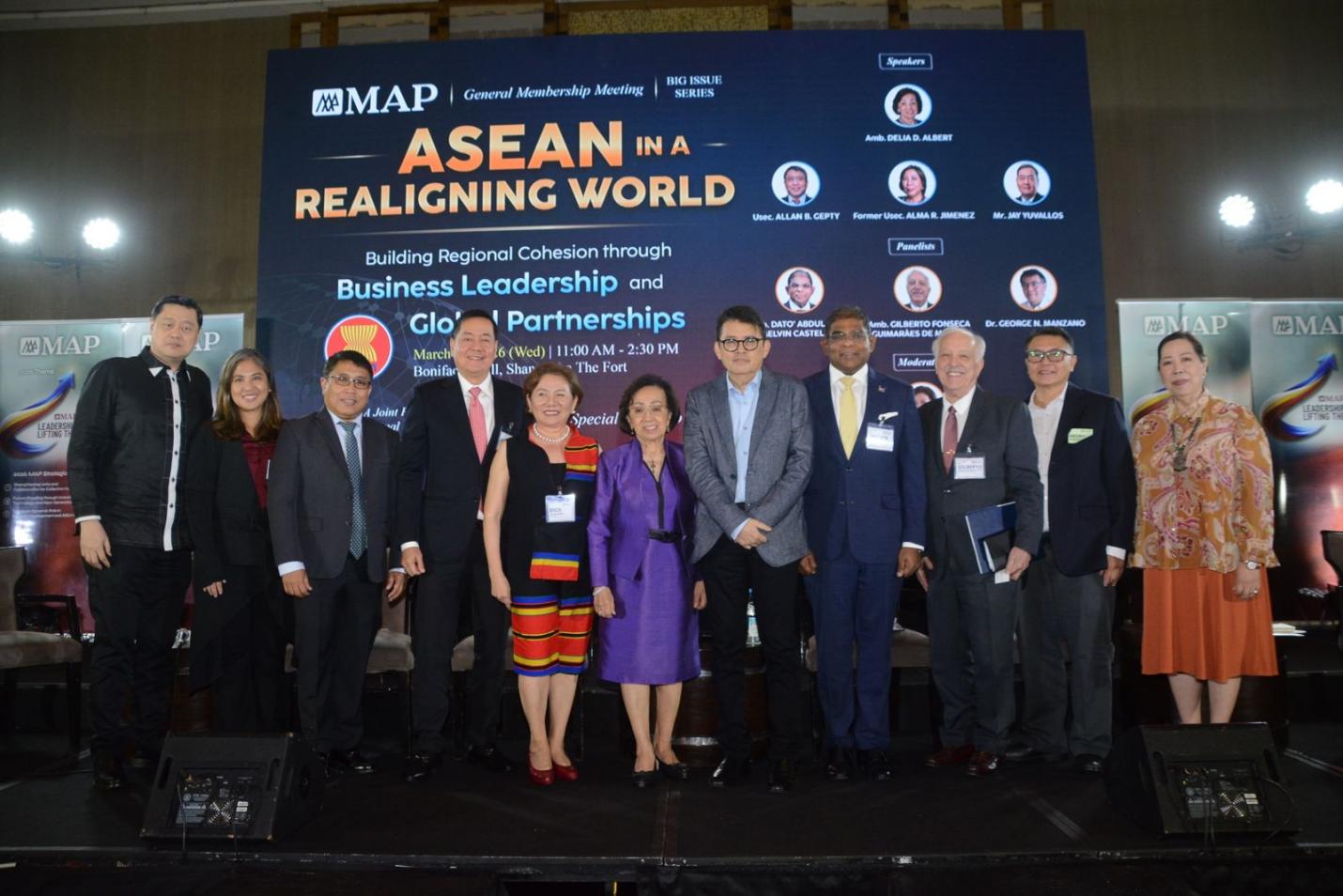
Speaking at a forum organized by the Management Association of the Philippines (MAP), Yuvallos said the Philippines risks missing opportunities in the world’s largest trading bloc if it continues to approach regional integration with fragmented agendas and short-term thinking.
RCEP, which entered into force in 2022, brings together 15 Asia-Pacific economies and represents roughly 30 percent of global GDP, covering a market of around 2.3 billion people. The agreement is widely considered the world’s largest trading bloc and is expected to deepen regional economic integration through trade facilitation, investment flows, and supply chain connectivity.
According to Yuvallos, the Philippines must view regional integration as a long-term national strategy that connects businesses to the wider East Asian economy.
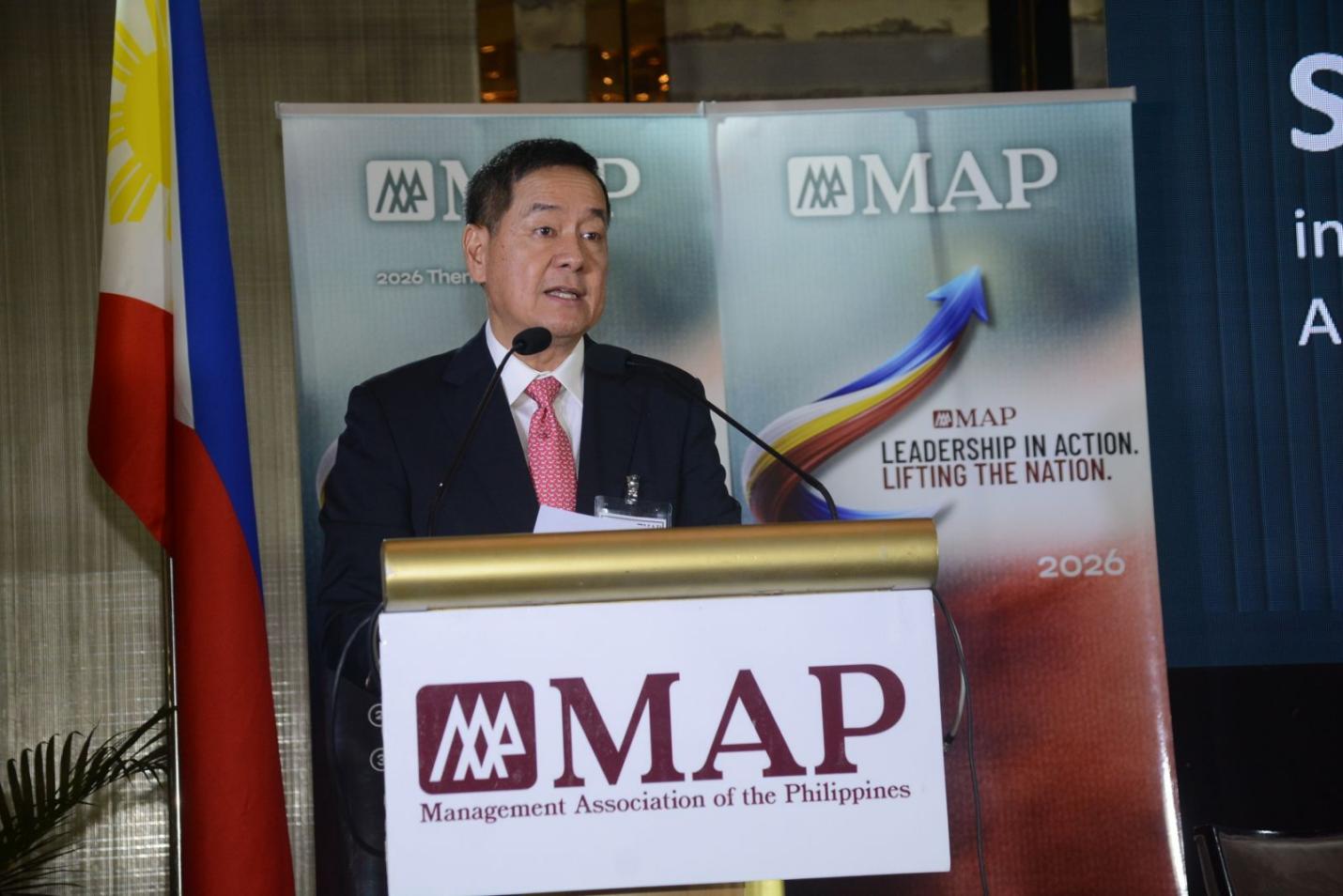
“This year, our focus at the East Asia Business Council Philippines is reinforcing trust, integration, and sustainability in the East Asian economic architecture,” he said.
Among the council’s key initiatives are RCEP awareness programs and business clinics, regional support units for enterprises navigating regional markets, value-chain mapping to accelerate MSME participation in RCEP, digital trade and payment platforms, and a circular economy toolkit aimed at promoting sustainable production systems.
“These initiatives are small steps, but when coordinated, they can create meaningful impact,” Yuvallos said.
Drawing from his experience as Immediate Past President of the Cebu Chamber of Commerce and Industry (CCCI), Yuvallos pointed to Cebu as a practical example of how regional competitiveness can begin to take shape through ecosystem development.
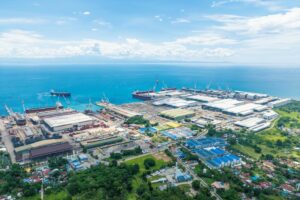
Cebu’s economic corridors illustrate how different sectors can work together to build regional competitiveness. Central Cebu serves as a hub for trade, services, and manufacturing, while other areas support industries such as shipbuilding, logistics, agro-industry, and tourism. The Cebu Investment Center further positions the province as a gateway for investment and business engagement across Asia.
Yet Yuvallos emphasized that Cebu’s progress also reveals the challenges facing the broader Philippine economy.
“We must overcome our biggest challenge: fragmentation,” he said. “Fragmented agendas, silos, and turf wars slow progress. The enemy is us.”
Yuvallos said the need for stronger coordination is particularly urgent as the Philippines prepares to chair ASEAN in 2026.
“Are we prepared to compete and participate in ASEAN, East Asia, and the wider RCEP economic block?” he asked.
He noted that neighboring economies such as Malaysia, Singapore, Thailand, and Vietnam are aggressively positioning themselves within regional value chains, highlighting the urgency for the Philippines to strengthen its own economic strategy.
The country’s ASEAN chairship, he added, presents an opportunity to advance practical regional priorities that can open new opportunities for Filipino industries.
“The Philippines can push initiatives that create real opportunities for our MSMEs, creative industries, and future-facing sectors such as semiconductors and critical minerals,” he said.
Yuvallos also highlighted the importance of engaging young Filipinos aged 17 to 22, noting that this cohort will be entering leadership roles by 2036. Drawing from his conversations with them, he said their responses reflected a sense of uncertainty but underscored the importance of accountability, transparency, and active participation in driving change.
Looking ahead, Yuvallos emphasized a long-term national vision anchored on the next generation.
“We must do something for our youth and the future,” he said. “Their insights remind us that the future belongs to the prepared, united, and empowered.”