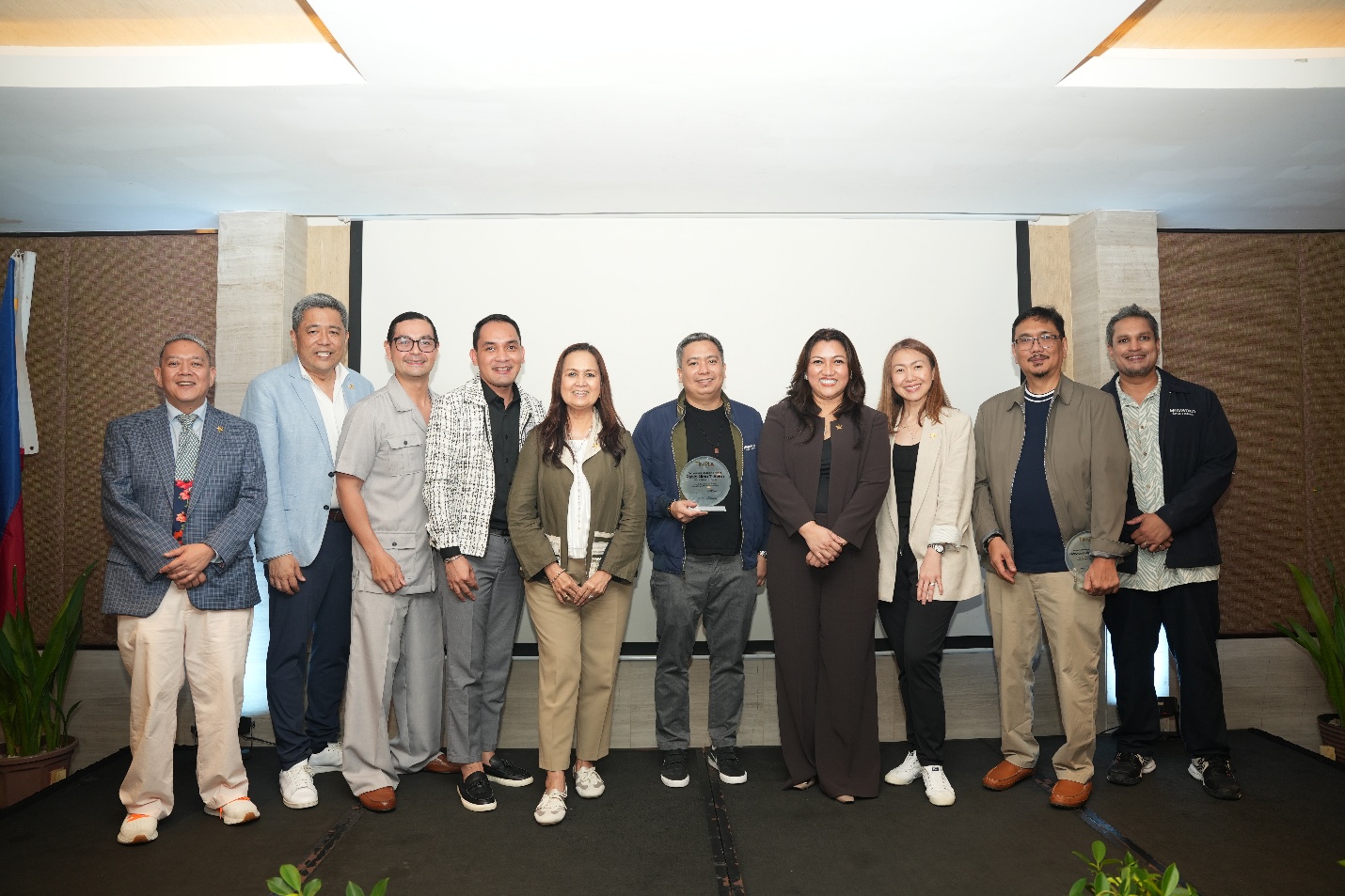


The Fostering Inclusive and Sustainable Habitats (FISH) Visayas Project of the AFOS Foundation as funded Germany’s BMZ and implemented by the Cebu Chamber of Commerce and Industry (CCCI), Bohol Chamber of Commerce and Industry (BCCI), Siquijor Chamber of Commerce and Industry (SCCI), Negros Oriental Chamber of Commerce and Industry (NOCCI) in phase 1 and DCCO Multipurpose Cooperative in phase 2 created transformative change in selected coastal communities of Cebu, Bohol, Negros Oriental, Negros Occidental, and Siquijor. Running from July 2020 to June 2025, the project leverages technology, innovation, and leadership empowering fisherfolk, modernize practices, and enabling new income streams in the fishery and related value chain.
“This project brings together stakeholders across Central Visayas—from chambers of commerce, business membership organizations (BMOs) and fisherfolk associations to nine (9) municipalities—ensuring that our interventions and support such as market access, and marine resource protection efforts make a real impact,” says Yvette Hope Labus, FISH Visayas Project Manager and AFOS Resident Representative.
Labus highlighted the project’s various capability building and capacity enhancement programs such as training workshops, seminars and learning visits not only improve technical skills but have boosted the leadership skills of 24 fisherfolk organizations and its members transition from artisanal fishing into improved livelihood practices encompassing various activities and strategies, securing resources to augment their standard of living leading to both formal employment and informal work such as trading, vending, freelancing, and small-scale businesses.
“The project’s primary goal is to empower these people’s organizations by providing them with targeted, relevant training, says Bryan Araneta, Area Coordinator for Bohol.
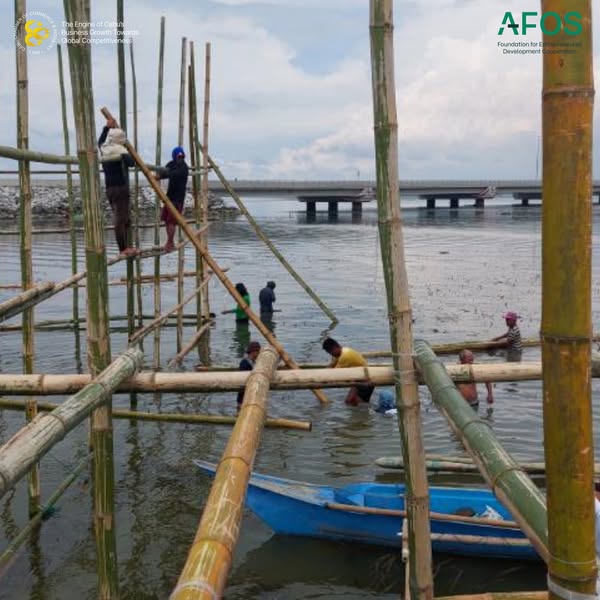
“We offer skills training in modern fishing methods, including fishnet mending, construction, and fiberglass fabrication,” he adds. “Those are interventions that help elevate their skills and, most importantly, provide alternative livelihoods. If ever there is bad weather or they are not able to perform fishing, they can have other sources of income.”
Building Capacities, Empowering Communities
FISH Visayas emphasizes capacity-building through collaborations with local governments, agencies such as the Department of Science and Technology (DOST), Department of Trade and Industry (DTI), and the Department of Agriculture-Bureau of Fisheries and Aquatic Resources (DA-BFAR), and business membership organizations in selected areas.
Also providing support for the project are the Chambers of Commerce and Industry in Cebu, Bohol, and Siquijor, the DCCCO Multipurpose Cooperative, and the local government units in Bantayan and Cordova in Cebu, Ubay, Tagbilaran, and Albuquerque and Pres. Carlos P. Garcia in Bohol, La Libertad in Negros Oriental, and San Juan and Siquijor in Siquijor Province.
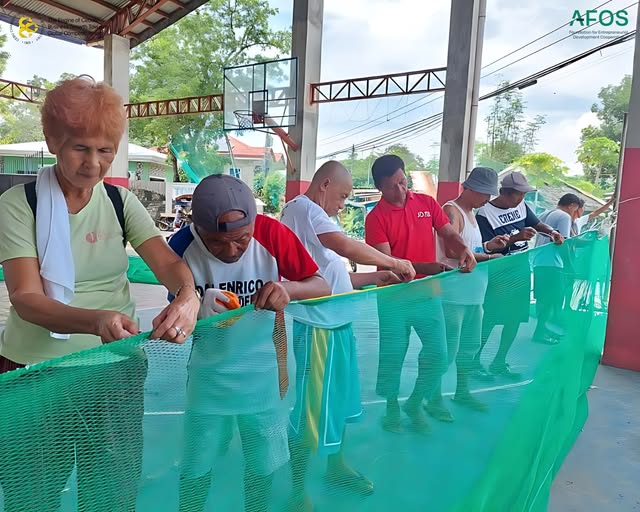
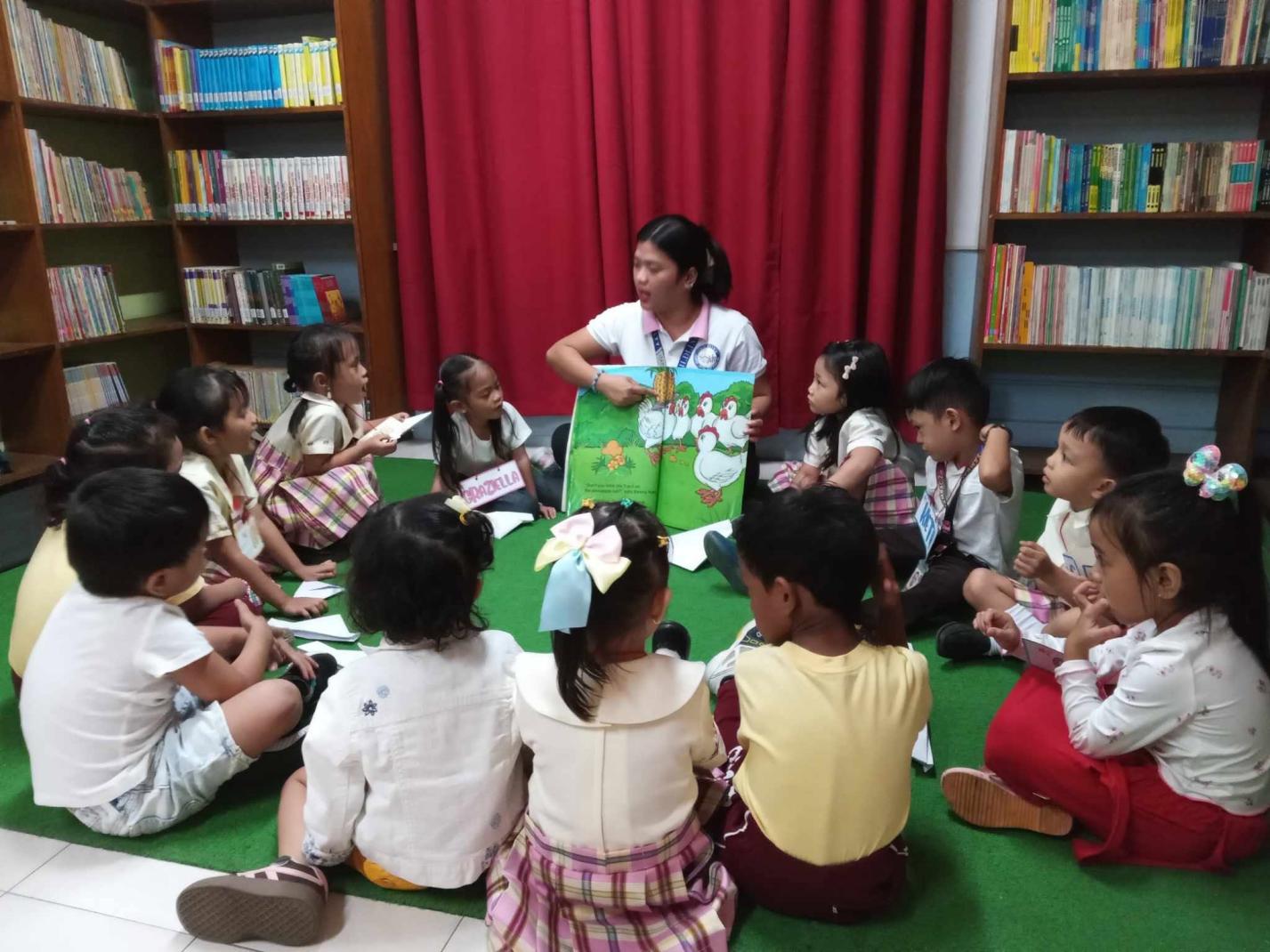
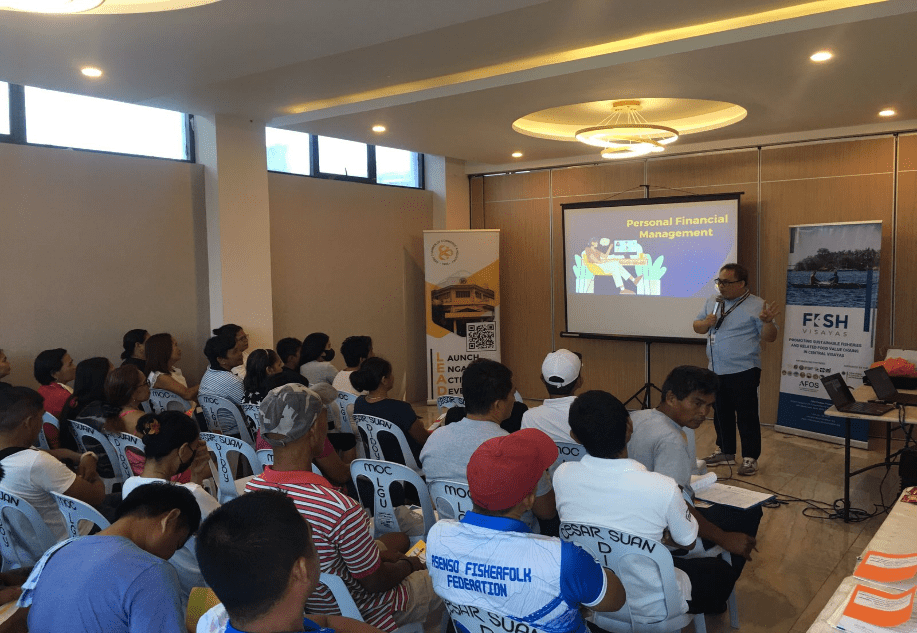
Trainings include sustainable aquaculture, advanced fish processing, digital marketing, and improved product packaging. Ms. Labus noted that these initiatives not only improve technical skills but also open opportunities for alternative livelihoods.
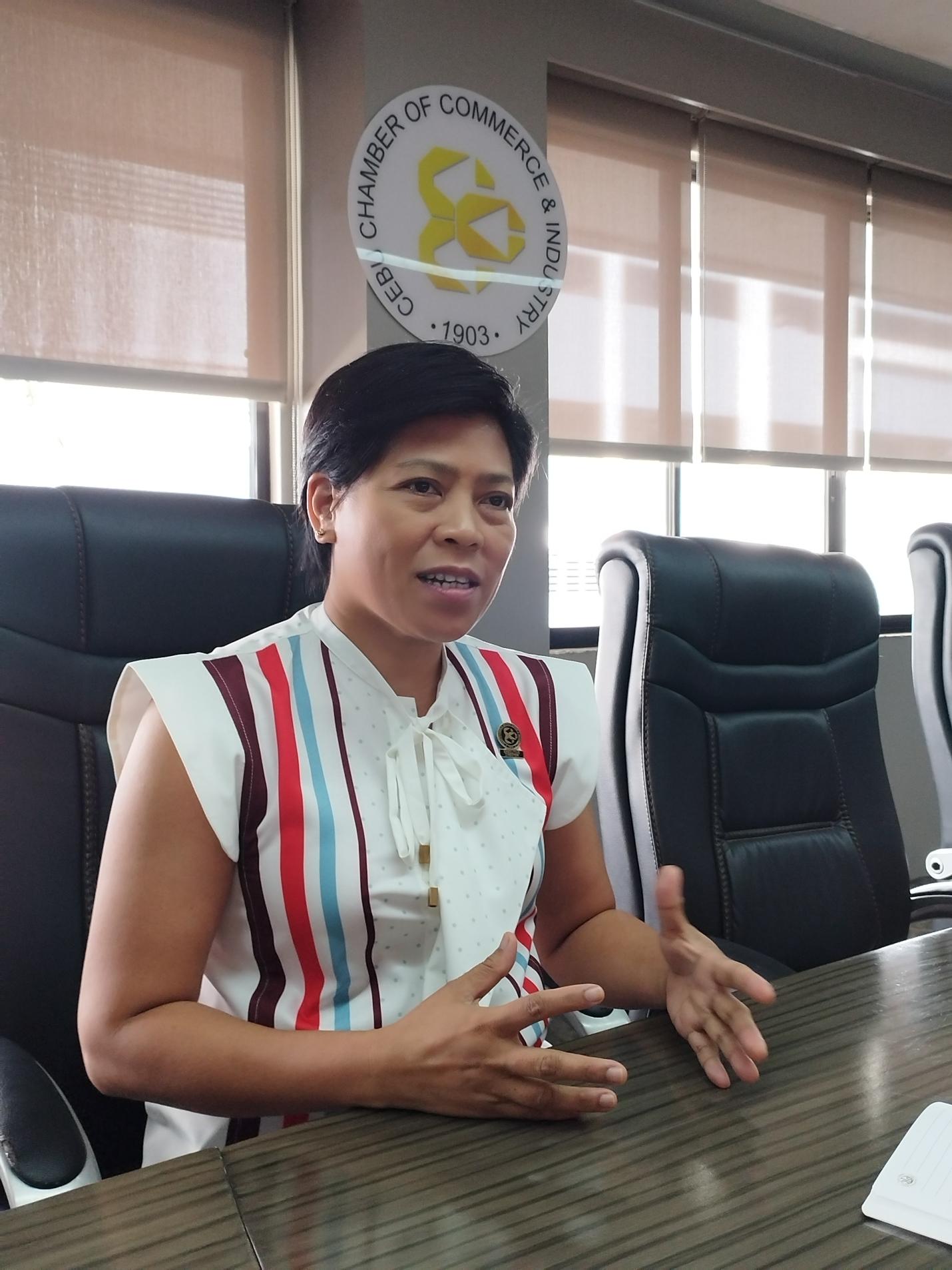
Ms. Joy Lorena Segismar, Executive Director of the Cebu Chamber of Commerce and Industry shared that the FISH VISAYAS Project has engaged almost 1000 individuals representing the fisherfolks associations, small scale vendors, nano entrepreneurs, buyers, cooperatives, and associations both for Bantayan island and Cebu.
Bantayan, Cebu
As a tourist destination, Bantayan is well-known for its dried fish such as “danggit” and “labtingaw.” Resorts and local home-stay facilities take pride in offering it as a specialty dish which opened doors to fisherfolks create “sukis” in the community.
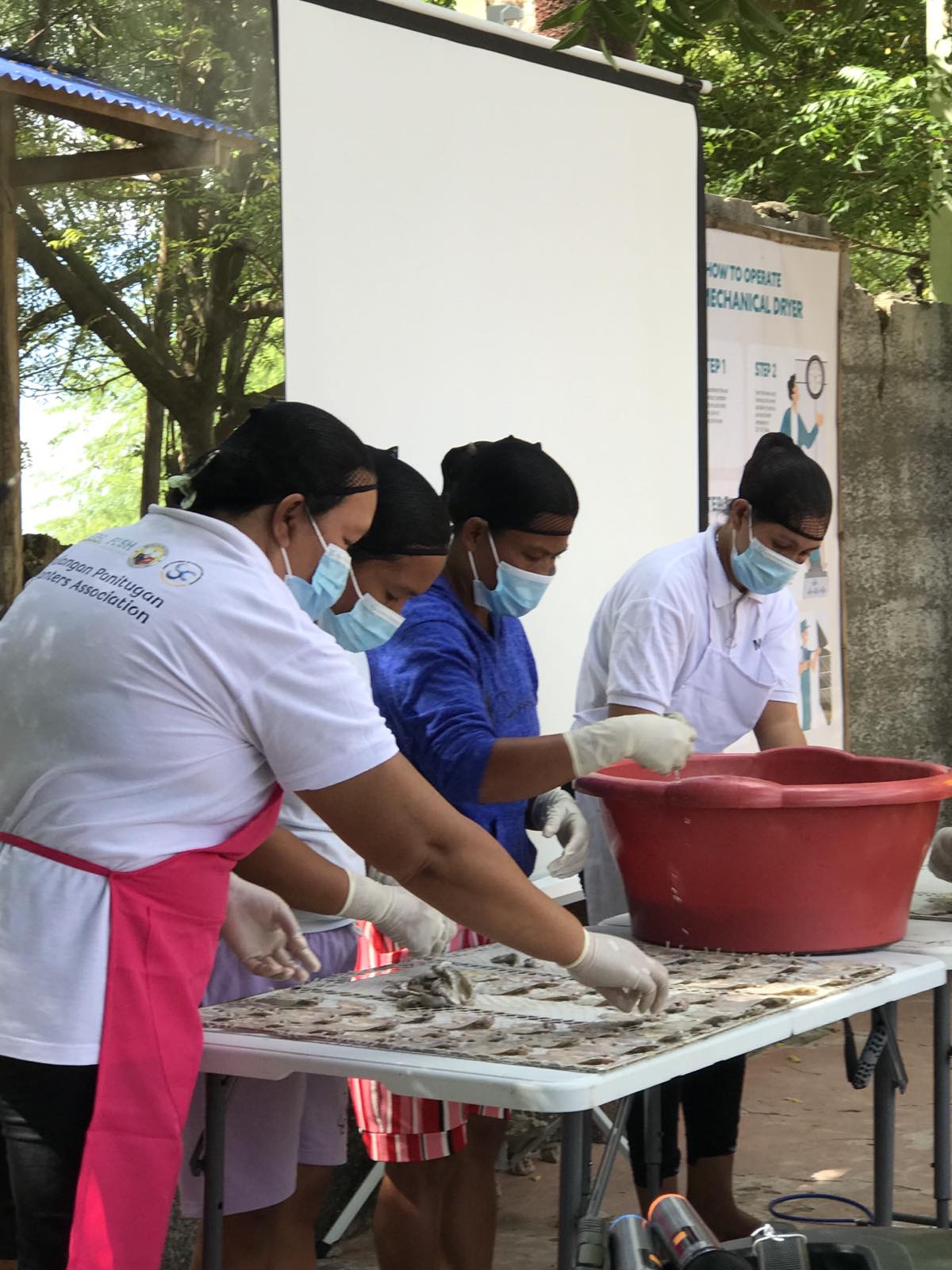
To address the limitations of traditional sun drying methods, particularly in areas with unreliable weather conditions as well as to ensure the consistent availability and supply of “labtingaw” and most importantly to improve the quality and safety of our produce, a mechanical dryer is donated to the Sulangan Panitugan Planters Association (SPPA) Luyongbaybay Farmers Fishermen Association (LUFFA). With the news, women entrepreneurs from Purok Sambag expressed interest to optimize the facility’s presence and support the growing demand of “labtingaw” from locales and tourists alike.
Cordova, Cebu
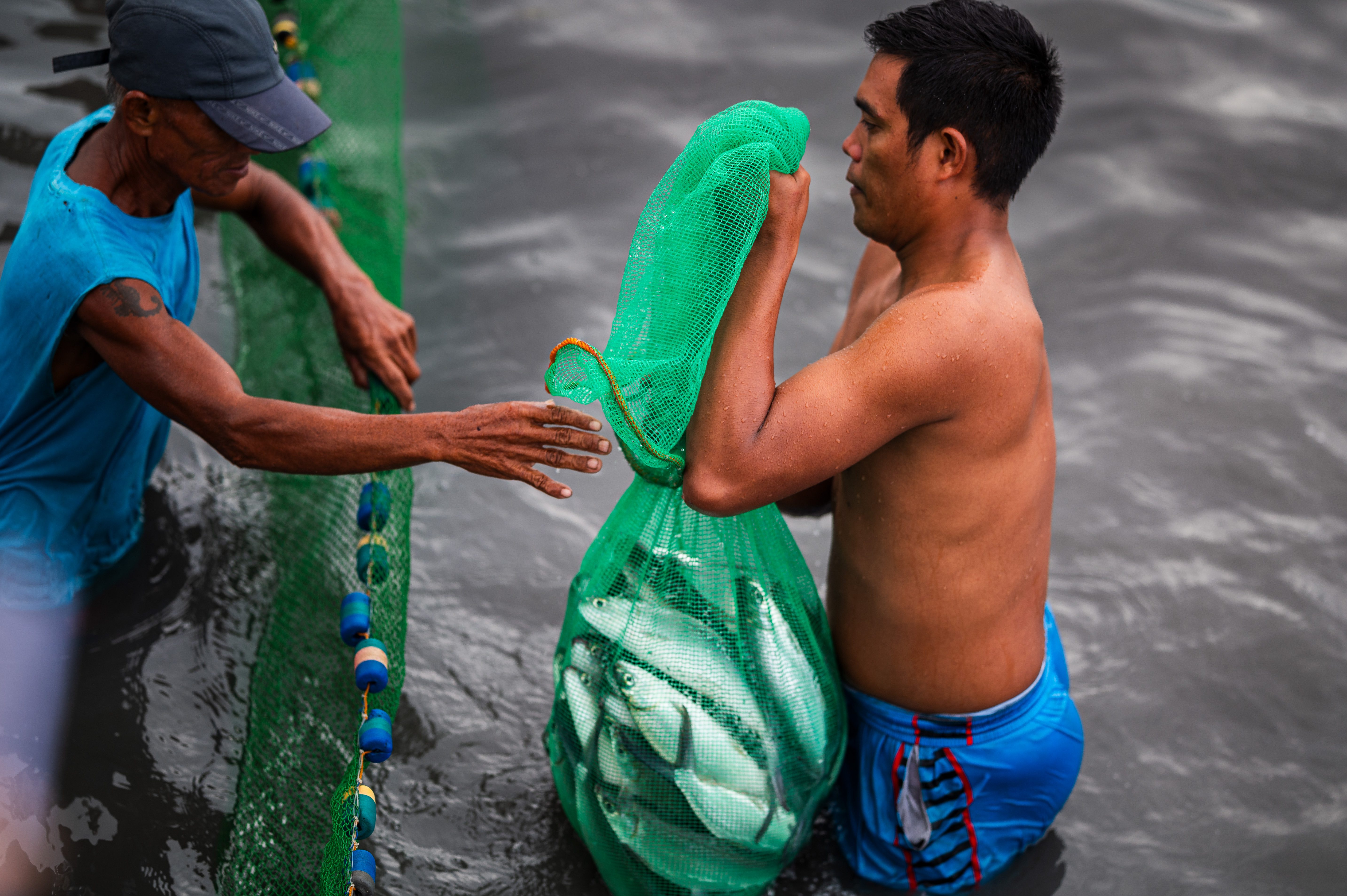
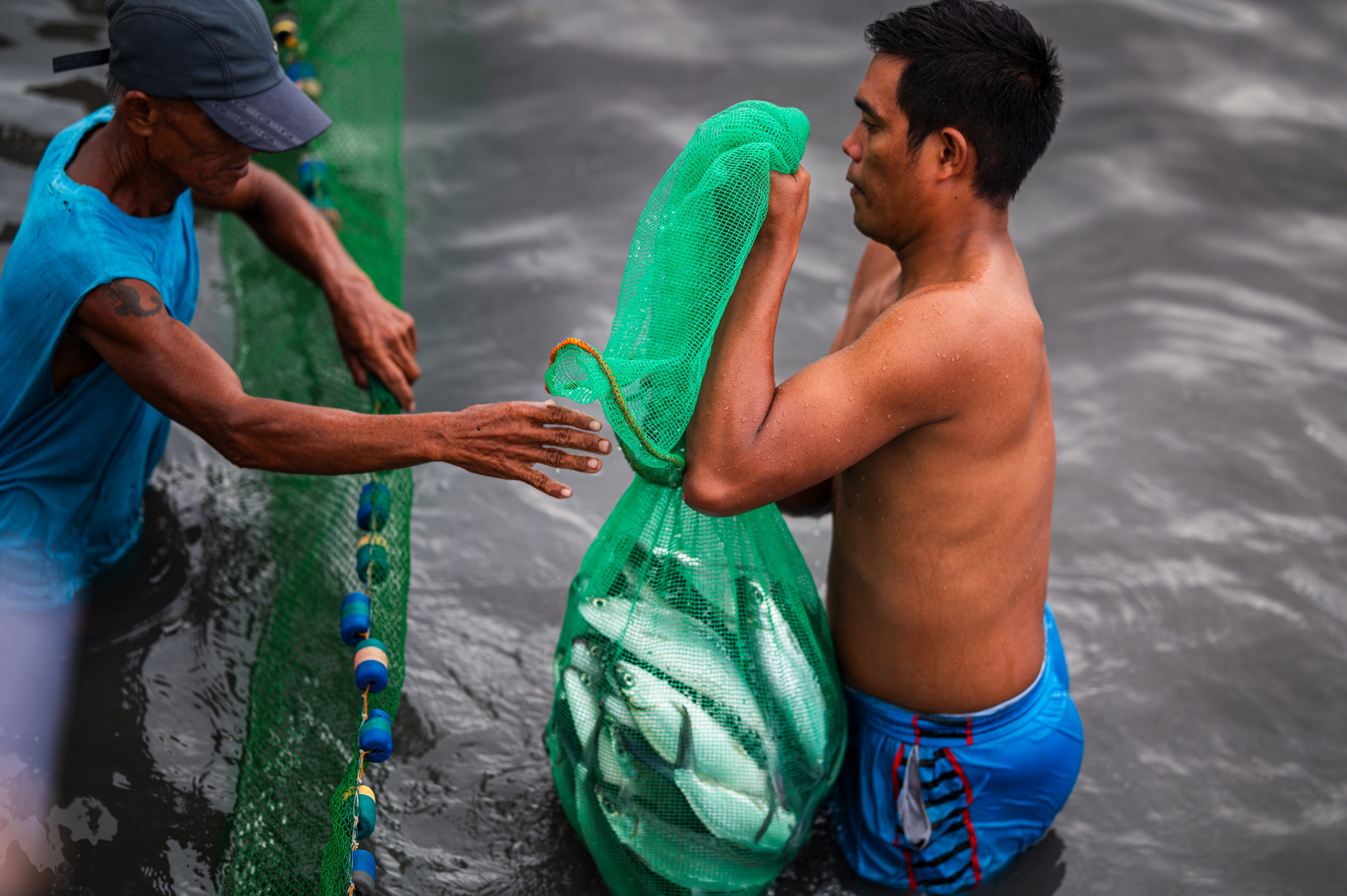
Gracefully situated on the southeast coast of Mactan Island and surrounded by beautiful beaches, mangrove forests and wetlands, Cordova enjoy the comforts of upscale hotels with amenities such as bars, restaurants, spas, and seawater pools. With the rising requirement of food for guests and locals, a 60 sqm Bangus Fish Pen is bestowed to the KAMI.
Aside from the facility, the project conducted Organizational Development (OD) seminar workshops to enhance their existing understanding of their roles, authorities, accountability at the same time identify the objectives, and strategic direction of the fisherfolk associations during the early stage of the implementation of the project.
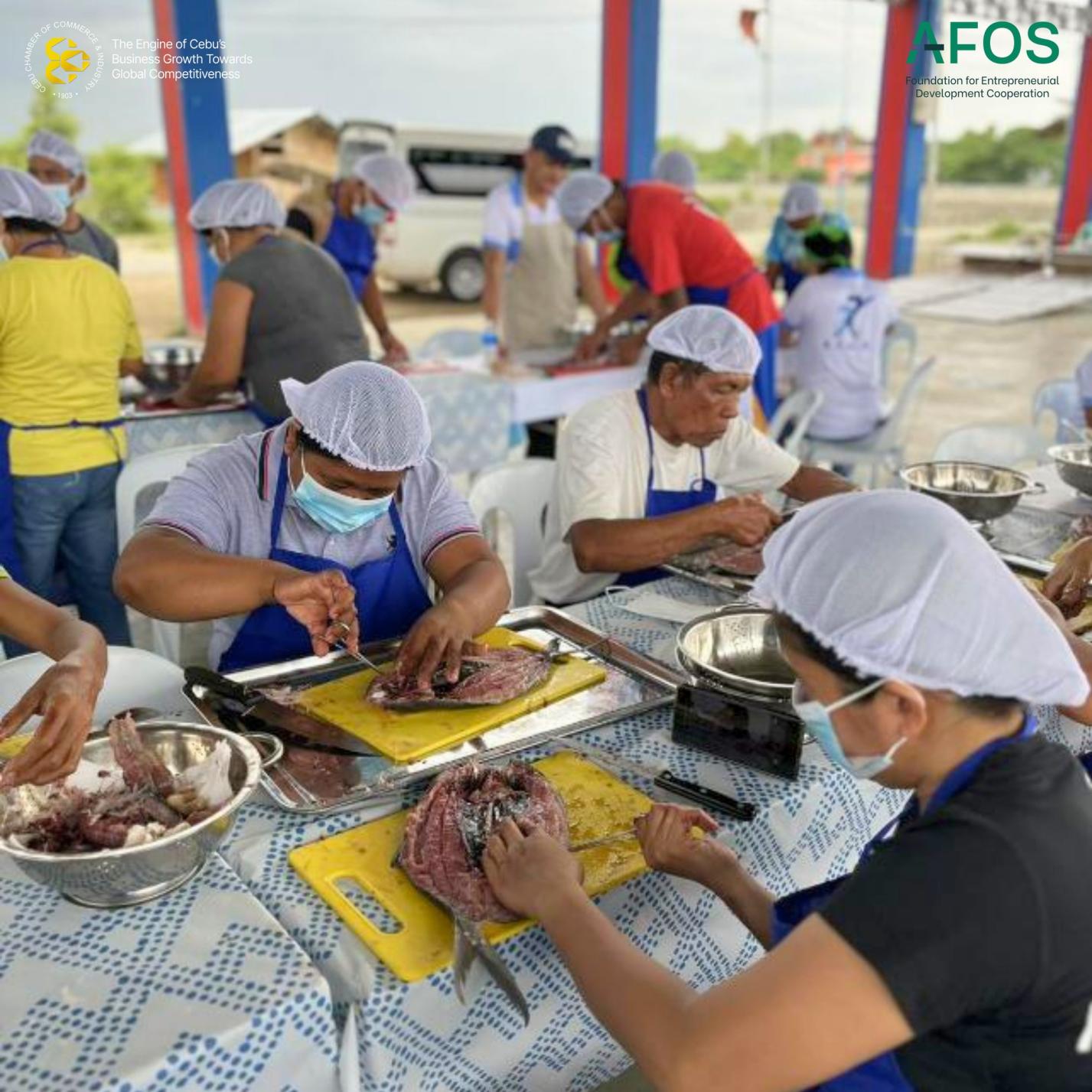
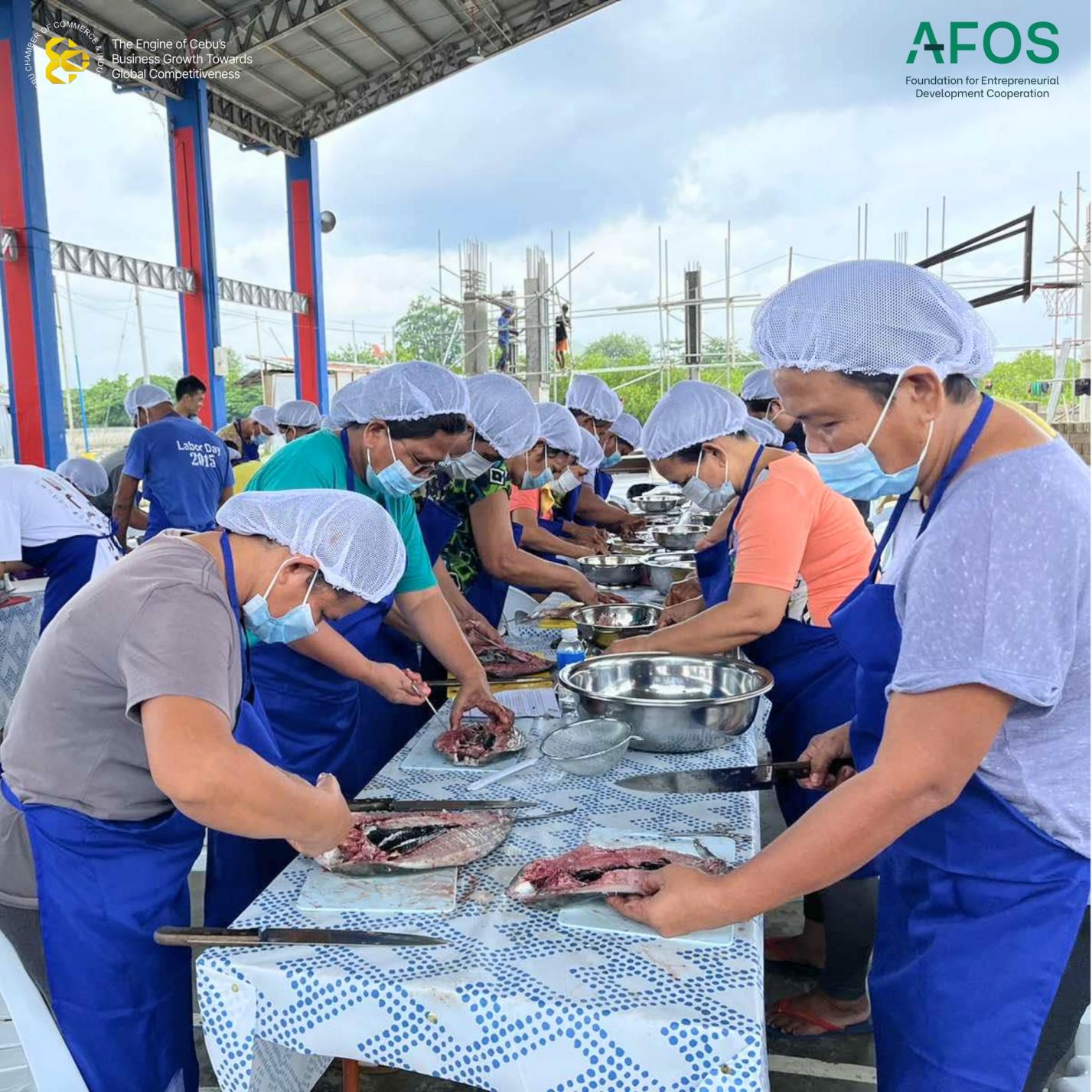
Entrepreneurship and Leadership, Financial literacy and Management, Bookkeeping & Accounting for Fisherfolks, Food Packaging and Labelling, Digital Business and e-commerce, Standard Fish Drying, Maintenance and Operation of the Mechanical Dryer, Bangus Deboning and Fish Smoking, Net Mending and Bangus Fish Pen Management training programs among others.
Recognizing the need to address industry- job skills mismatch, the Cebu Chamber of Commerce and Industry remains steadfast in its advocacy and implementation of the Assessment Certification Accreditation Service (ACAS) and integrated in the project through the Dual Education and Training (DET) for the Seafood Processing cluster.
The DET program, for the Seafood Processing has developed five (5) Job Profiles, namely: Seafood Production Worker, Quality Assurance, Quality Inspector, Machine Operator and Seafood Plant Assistant. Together with its academe and industry partners, six (6) new In Company Trainers were certified by the team and is currently facilitating the completion of batch 2 of learnerswith selected seafood manufacturers from Bantayan Island, Cordova, Mactan and Minglanilla.
Bohol
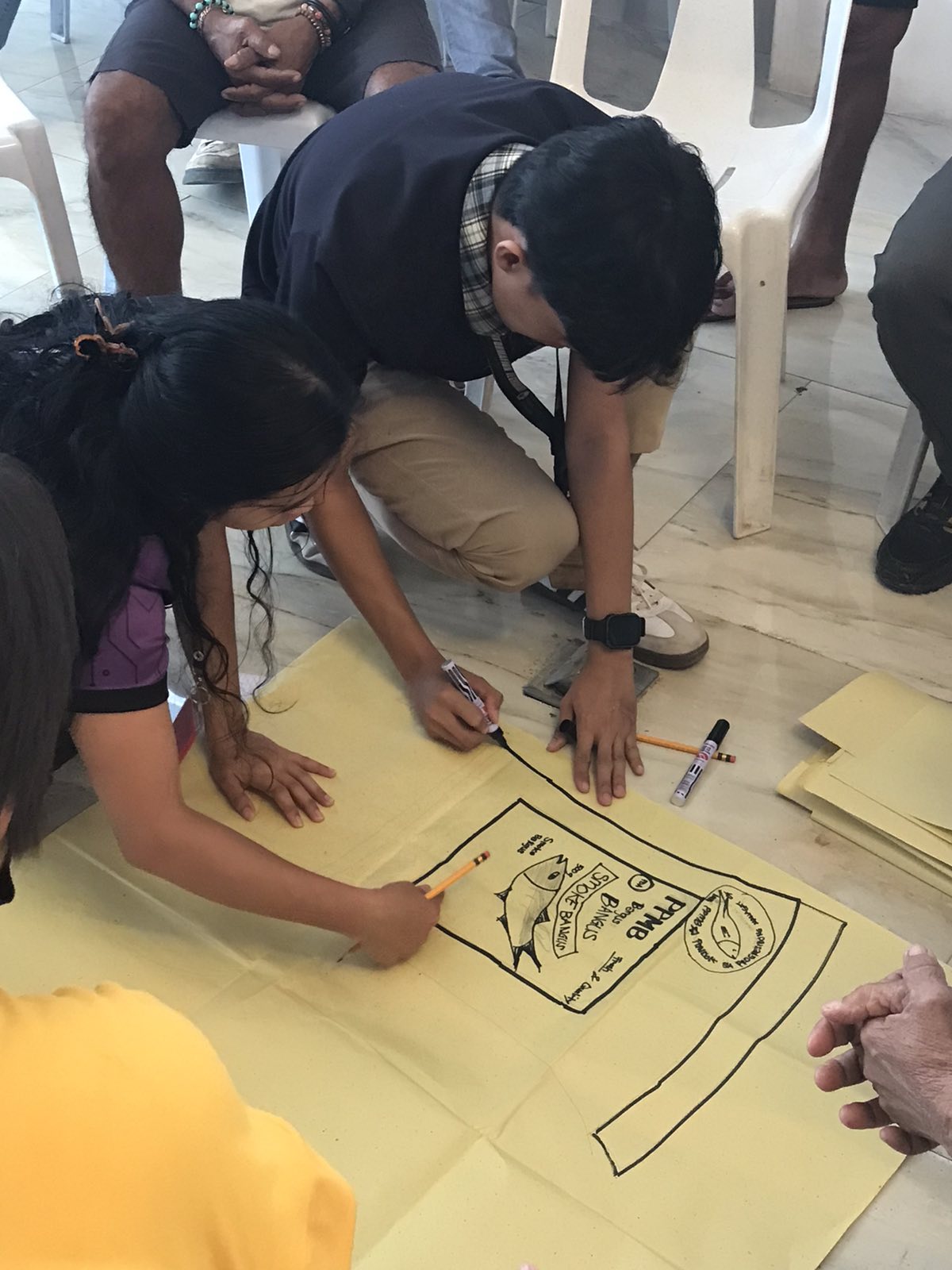
In Tagbilaran and Pres. Carlos P. Garcia, 58 fisherfolk (mostly women) trained in bangus deboning and bottling to enhance post-harvest value. After the training, Araneta says, the women’s group KAGAMASA started producing Seaweed Crackers, Salvaro, and Fish Chips. The training emphasized the importance of post-harvest processing of bangus to boost product value and income opportunities. Meanwhile, 14 fishers completed fiberglass boat fabrication training, building seven 26-footers at DA-BFAR Clarin,
Negros Oriental
In La Libertad, 27 fish processors from the newly-created La Libertad Fish Processors Association (LAFIPA) were trained in product packaging and labeling to expand the market reach for its products such as dried squid, dried fish, and bottled Spanish sardines. Tools such as vacuum packers and label printers were distributed to improve product presentation and compliance with health standards.
Siquijor
Twenty-five members from four fisherfolk associations underwent a three-day training on developing market-viable products, including bottled Bangus sardines. Another 31 fish farmers completed training on fingerling production that includes site evaluation, chemical use, and feed management. Training on good manufacturing practices and sanitation standards helped ensure safety and cleanliness in fish processing.
Protecting Marine Resources
“Through this project, we successfully turned over two 22-foot FRP boats to fisherfolk associations in Bantayan and one 30-foot FRP boat to the LGU of Bantayan to strengthen their monitoring efforts along with Bantay Dagat., says ED Joy.
Aside from the FRP boats, the project donated a Furuno DRS4W Radar to the Municipality of Bantayan to enhance the protection of its 20 marine sanctuaries across the island and municipal waters. “This initiative reflects our commitment to the enforcement, maintenance, and monitoring of these vital marine ecosystems,” says ED Joy.
Mr. Araneta explains that they conducted training on the benefits of protecting the marine resources. While Barangay Cuya, in Ubay, Bohol, was once noted for rampant illegal fishing, the fishermen, led by the organization President and the barangay captain, now observe sustainable fishing practices. The fishermen also form the Bantay Dagat, a community-based group that enforces regulations against illegal fishing practices.
In Siquijor, the FISH Visayas Project, in partnership with the Siquijor Chamber of Commerce, LGU San Juan, and BFAR Region VII, conducted a Sea Warden Deputation Training to enhance marine resource protection. A total of 79 fishers and local officials were trained in enforcing the Municipal Fishing Ban Ordinance, with sessions on fishery laws, illegal fishing detection, gear identification, navigation, and enforcement protocols.
Digital Tools for Growth: Empowering MSMEs Through e-Commerce
To boost digital marketing for fisherfolk, 15 participants from Bohol, Negros Oriental, and Siquijor joined the “RGC Brings TikTok to Cebu” event co-hosted by CCCI, enabling MSMEs to enter the TikTok Shop platform.
Meanwhile, 26 MSMEs—including 39 Cebu entrepreneurs—joined “Chat to Scale Up,” a Rakuten Viber-led workshop that helped businesses set up Viber Business Accounts to improve customer engagement and market presence.
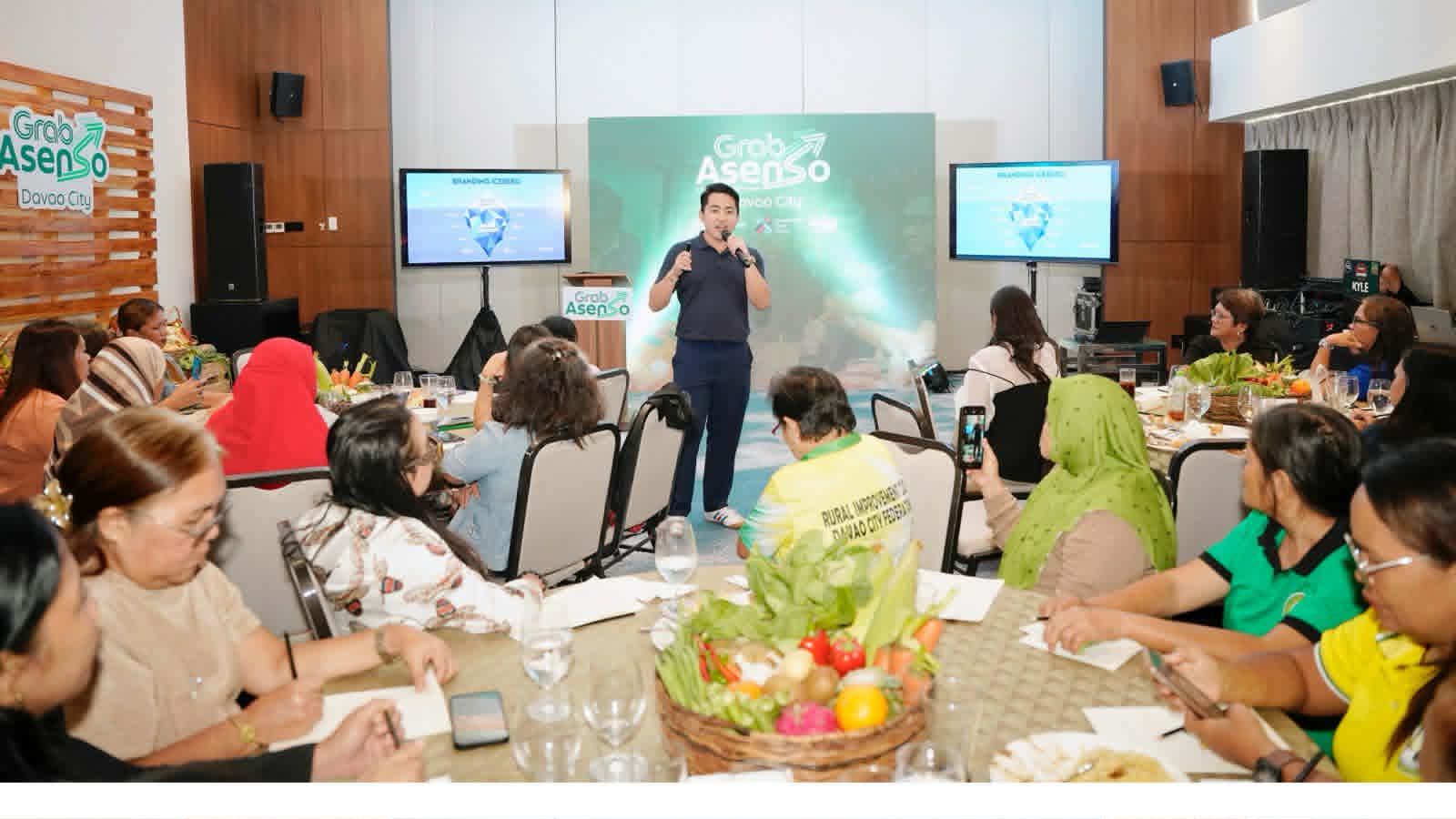
Together with Banko Sentral ng Pilipinas, over 40 fisherfolks from Panitugan and Luyong Baybay islets were capacitated to enhance Digital and e-Commerce Competencies by equipping the MSMEs, fisherfolk, and stakeholders with essential e-commerce basic knowledge and digital skills to expand market reach, improve business operations, and increase competitiveness. Moreover, the training was to promote Digital Inclusion and Economic Empowerment by leveraging digital platforms to create new economic opportunities and most importantly has strengthened their compliance to regulations and business sustainability by educating our fisherfolks and other participants on the legal and regulatory aspects of e-commerce, including consumer protection, data privacy, and taxation, to help them navigate the digital marketplace confidently and sustainably.
Toward a Sustainable Future: Institutionalizing Impact
Although the Fish Visayas Project ends in June this year, Ms. Labus expressed hope that the project partners—the BMOs, the fisherfolk association, national government agencies, and local government units—would continue to work together for the upliftment of the fishery sector in the region.
Mr. Araneta says they are drafting policy recommendations for BMOs to promote the sustainability of the project.
“We are hopeful that through our interventions, we have enriched the lives of our fellow Cebuanos i.e. specifically our fisherfolks improve their skills, expand their knowledge, empower them, and enhance their overall well-being as members of our community “, says ED Joy.