



Long before Mactan became a destination of beaches, resorts, and sun-drenched escapes, it was an island shaped by the sea. Its waters sustained generations of fishing communities, its shores became gathering places, and its bounty found expression in a cuisine that remains distinctly Cebuano.
Among the traditions born from this intimate relationship with the sea is SUTUKIL—a culinary ritual as much about sharing as it is about cooking. At Mercure Mactan Cebu, this heritage finds a new expression through SUTUKIL SA Pulô, an experience that brings the flavors and craftsmanship of the island to the contemporary dining table.
The name itself tells the story. Su comes from sugba, the Filipino tradition of grilling over fire. Tu refers to tuwa, or stewing. Kil is kilaw, the preparation of fresh ingredients with vinegar and other local flavors. Three techniques, three distinct expressions of Filipino cooking, brought together under one name.
In Cebu, SUTUKIL has become synonymous with the pleasures of fresh seafood and convivial dining. It is particularly woven into the culinary identity of Mactan, where generations of local seafood establishments have kept the tradition alive for residents and visitors alike.
But SUTUKIL SA Pulô looks beyond the plate.
A Table Shaped by the Island
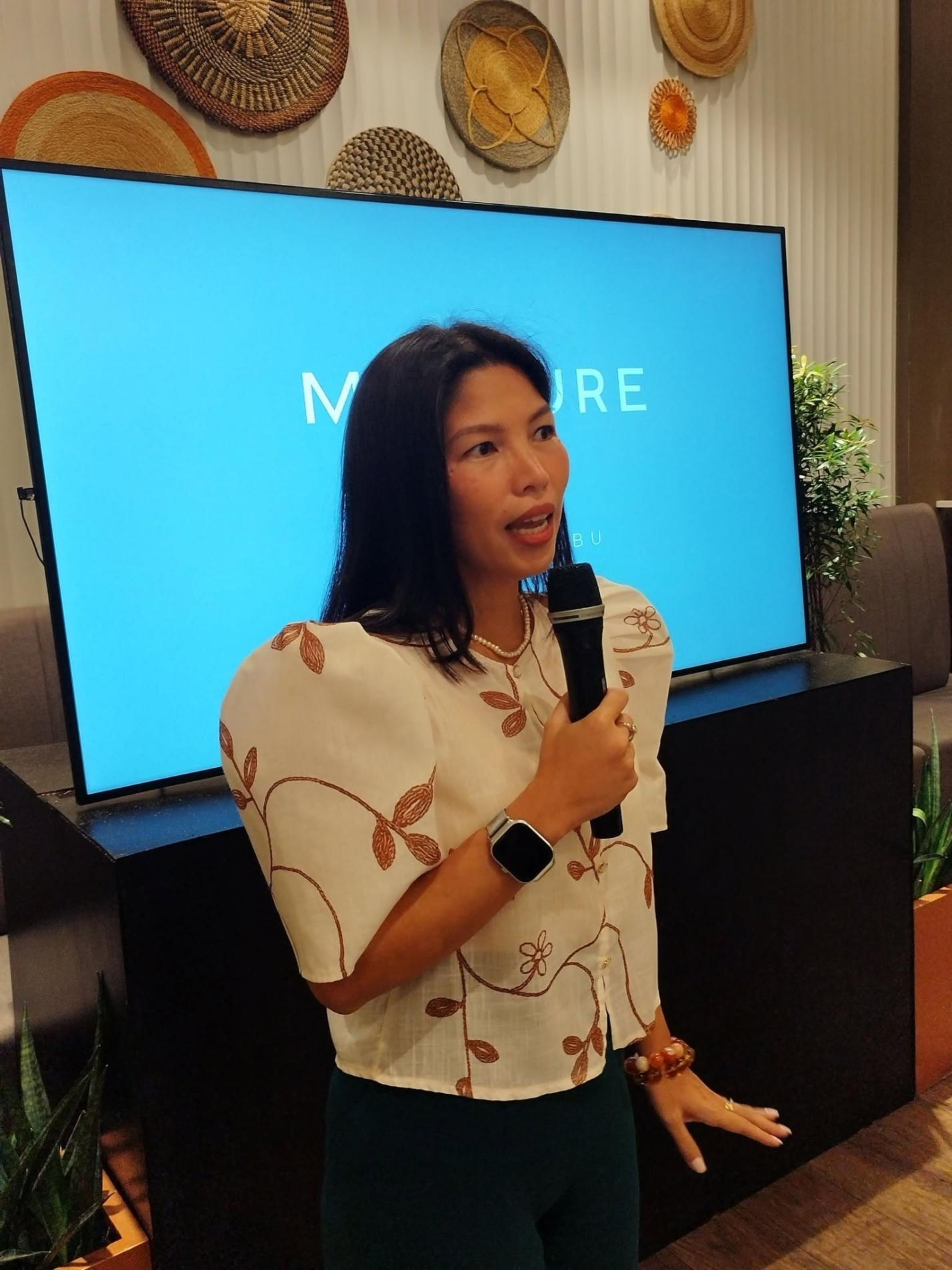
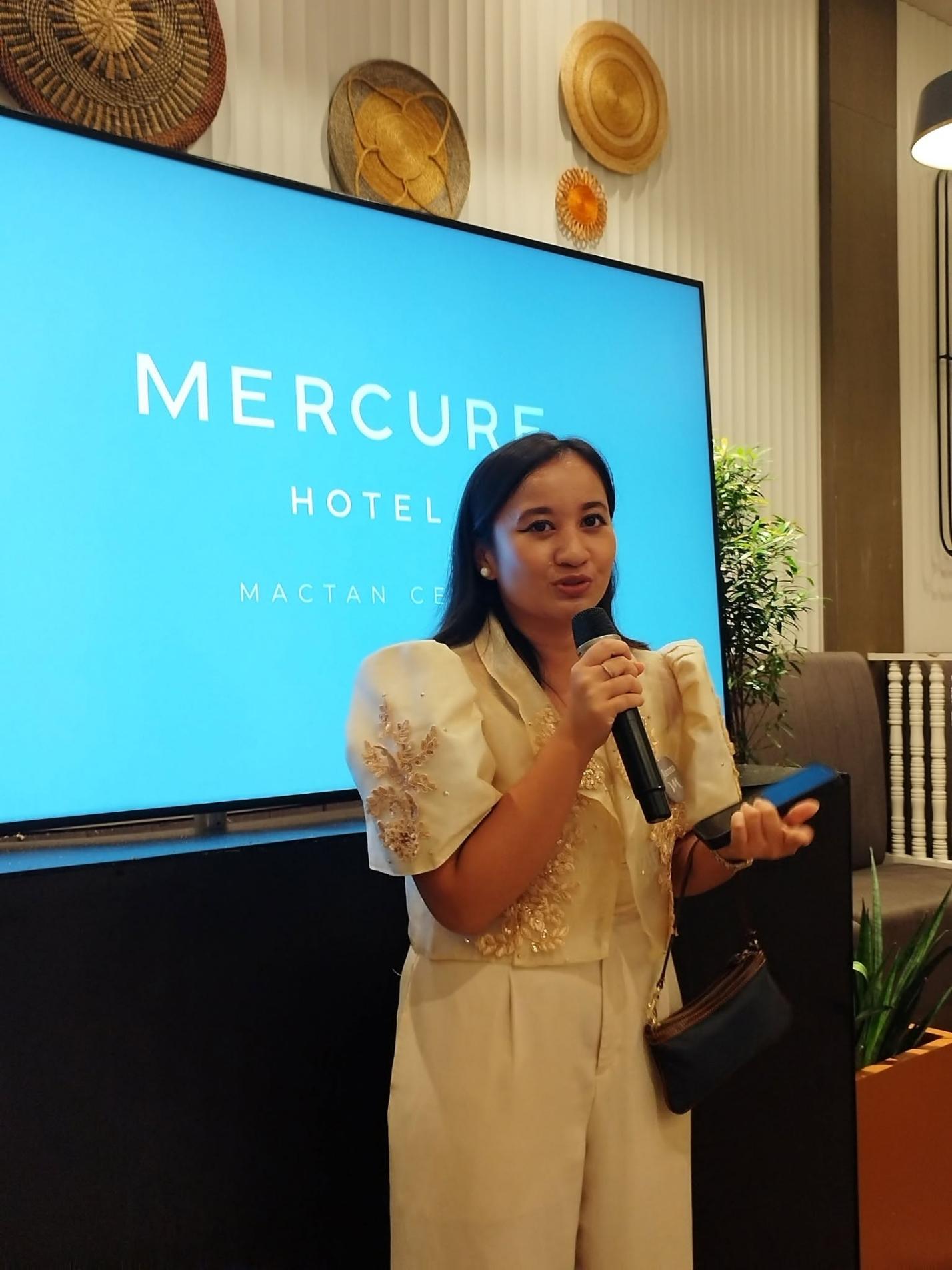
The experience is part of Mercure Mactan Cebu’s Likha Campaign and Discover Local program, reflecting the hotel brand’s philosophy of creating connections between travelers and the places they visit.
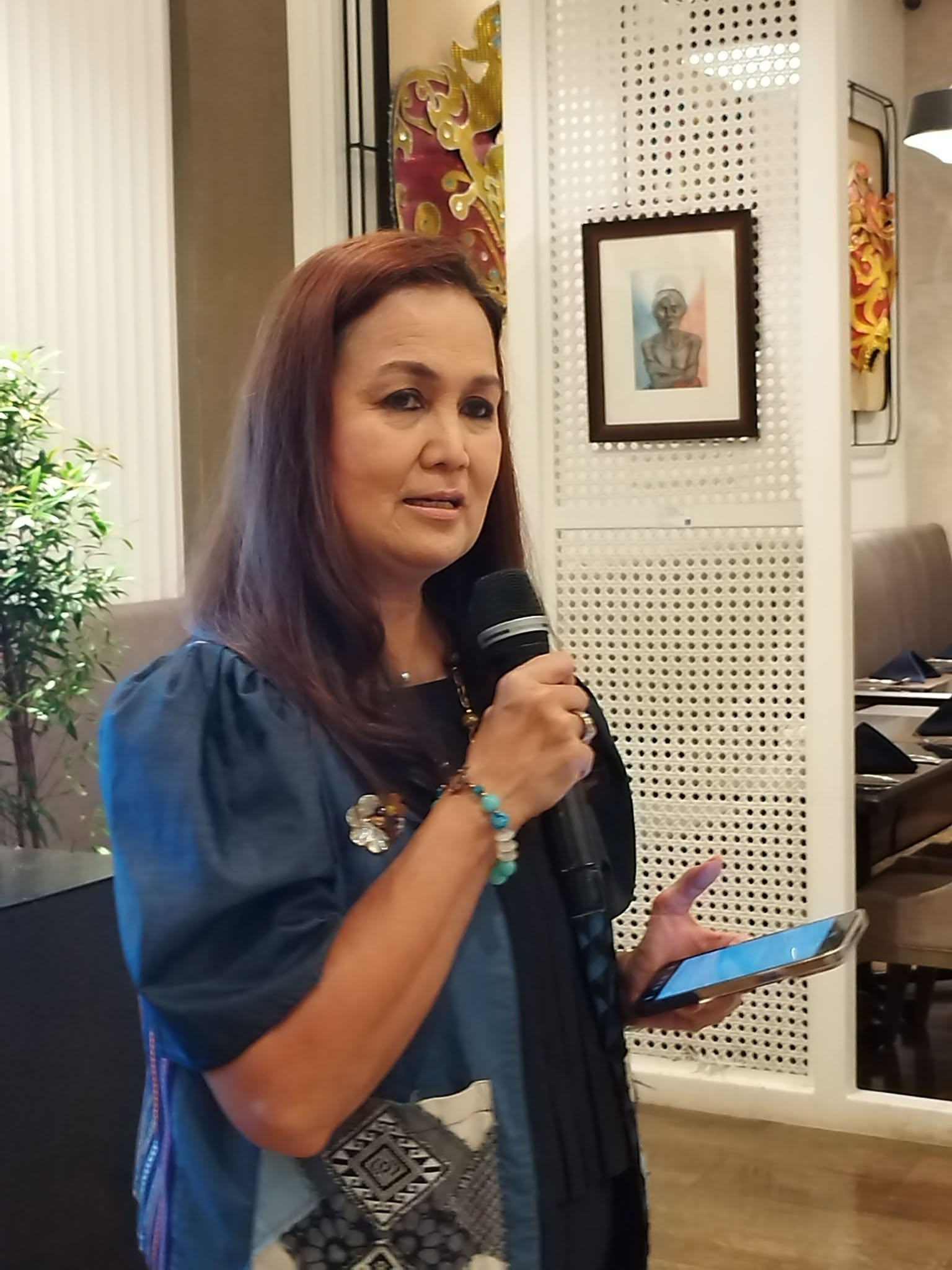
At the heart of that philosophy is a simple idea: to truly experience a destination, one must do more than see it.
One must taste it.
One must understand the hands behind it.
One must listen to the stories that have survived through generations.
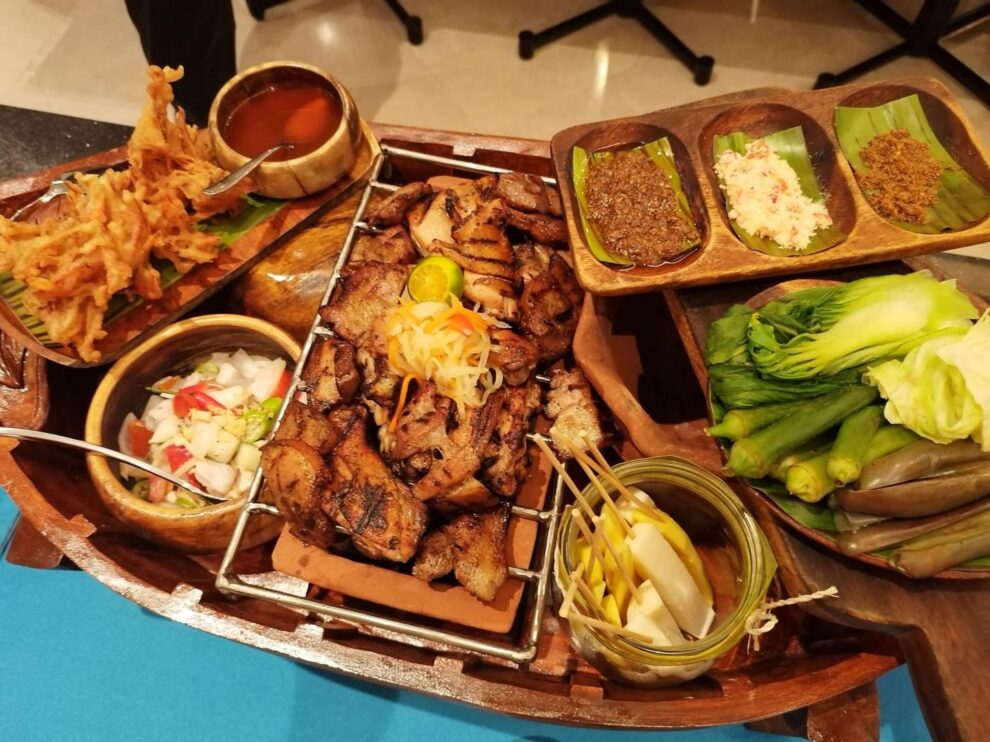
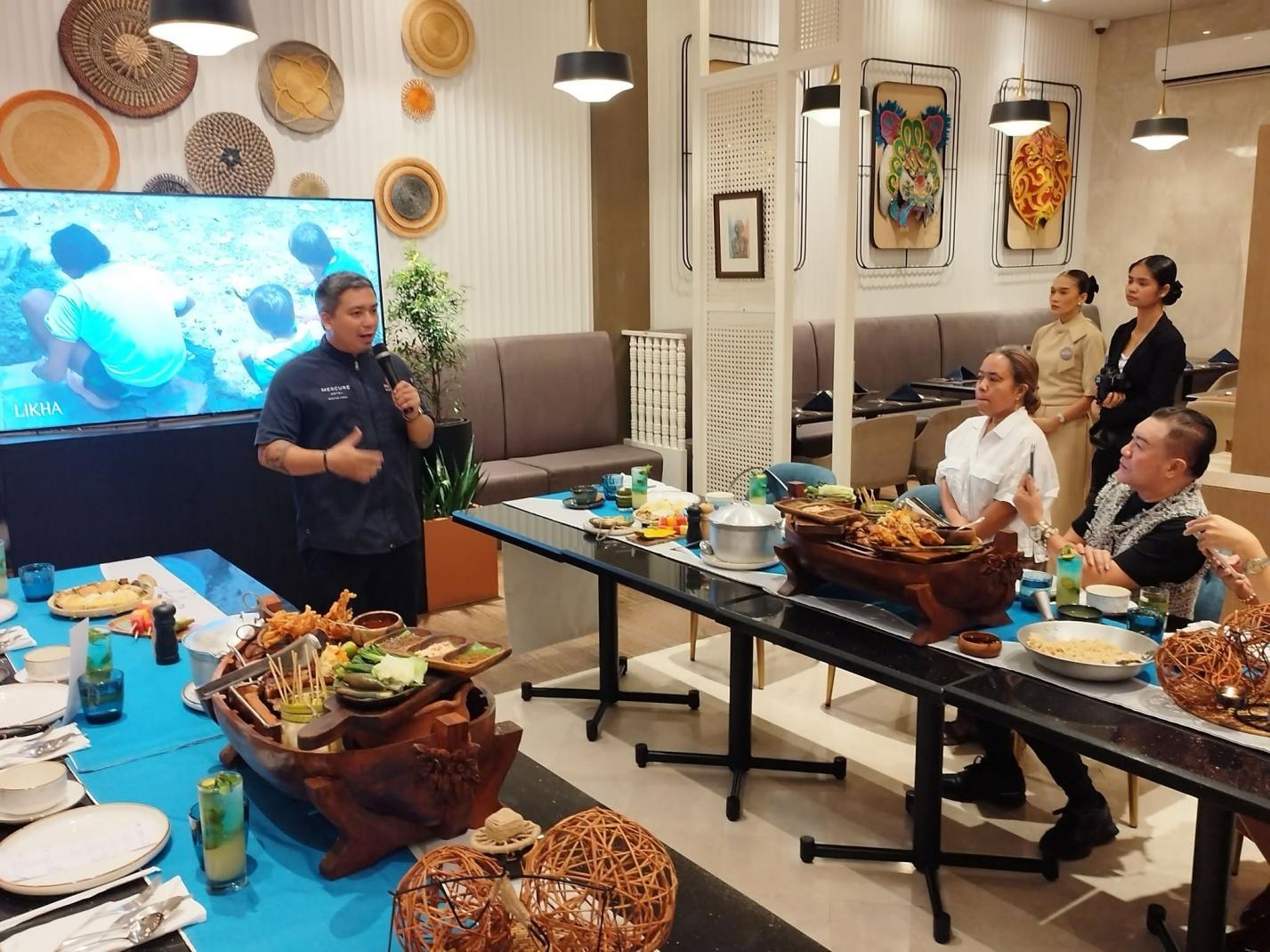
That philosophy is expressed in the most unexpected of details—the meal’s presentation. Rather than arriving on an ordinary serving platter, the feast is presented in a locally crafted bangka, a nod to Mactan’s enduring maritime culture.
The custom piece was brought to life by an experienced local woodcarver, with the assistance of the local government in connecting the hotel with the artisan. His work reflects the traditional carving practice known locally as “kulit,” another expression of Mactan’s cultural heritage and livelihood.
The craft is celebrated annually through the Kulit sa Mactan Festival, a reminder that the island’s identity is shaped not only by its natural beauty but also by the artistry and ingenuity of its people.
Placed at the center of the dining experience, the handcrafted bangka becomes almost an object of storytelling. It evokes the boats that have carried fishermen across Mactan’s waters, while transforming that familiar symbol of island life into something intimate and unexpected: a vessel for a feast.
A Feast Made for Sharing
For PHP 2,888 net, good for five persons, SUTUKIL SA Pulô arrives as a generous spread designed, appropriately, for the communal pleasure of Filipino dining.
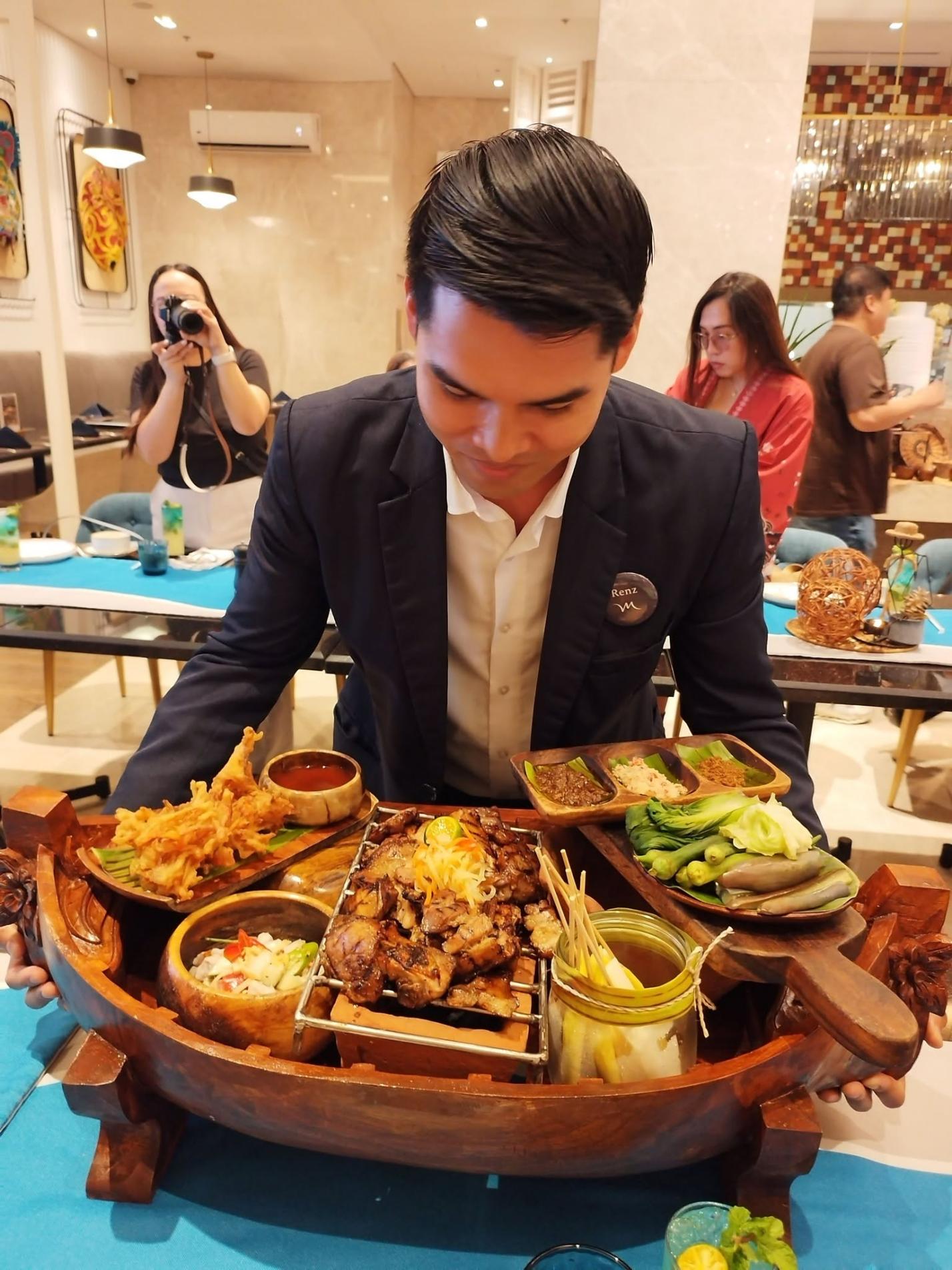
There is Fish Tinola, warm and comforting; Sinugbang Baboy, carrying the unmistakable character of the grill; and Fish Kinilaw, bright and fresh with the acidity that makes the dish a Cebuano favorite.
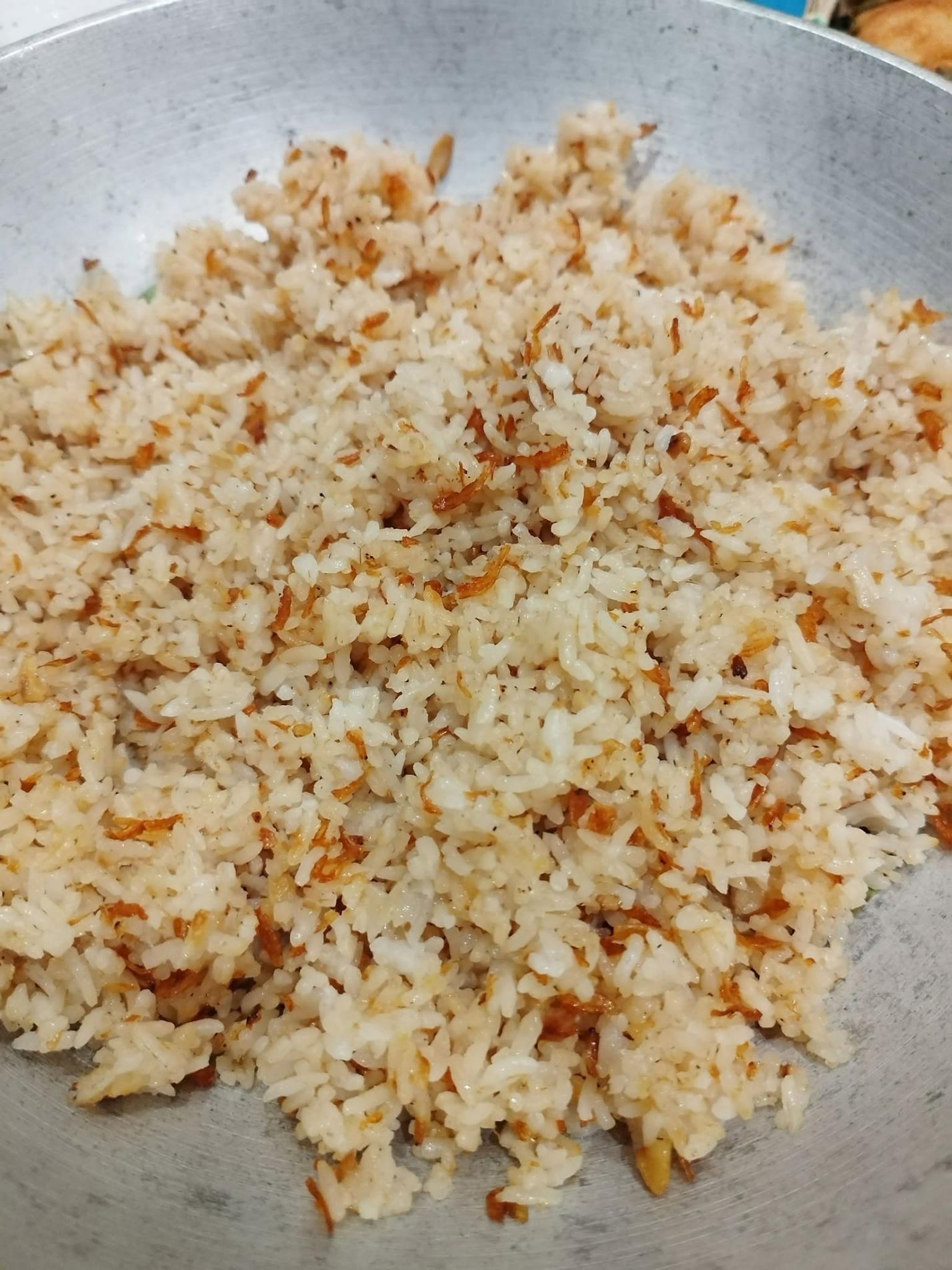
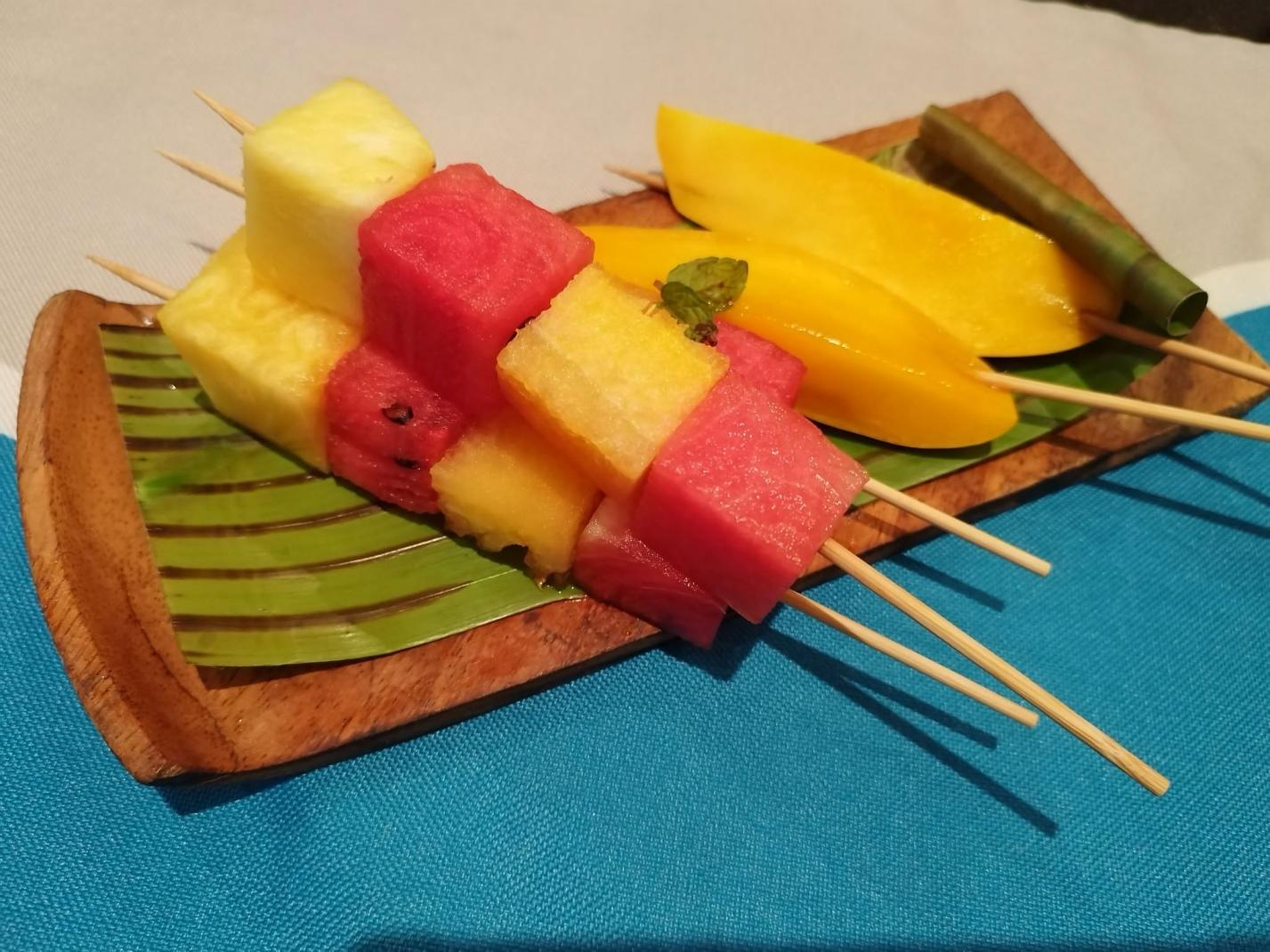
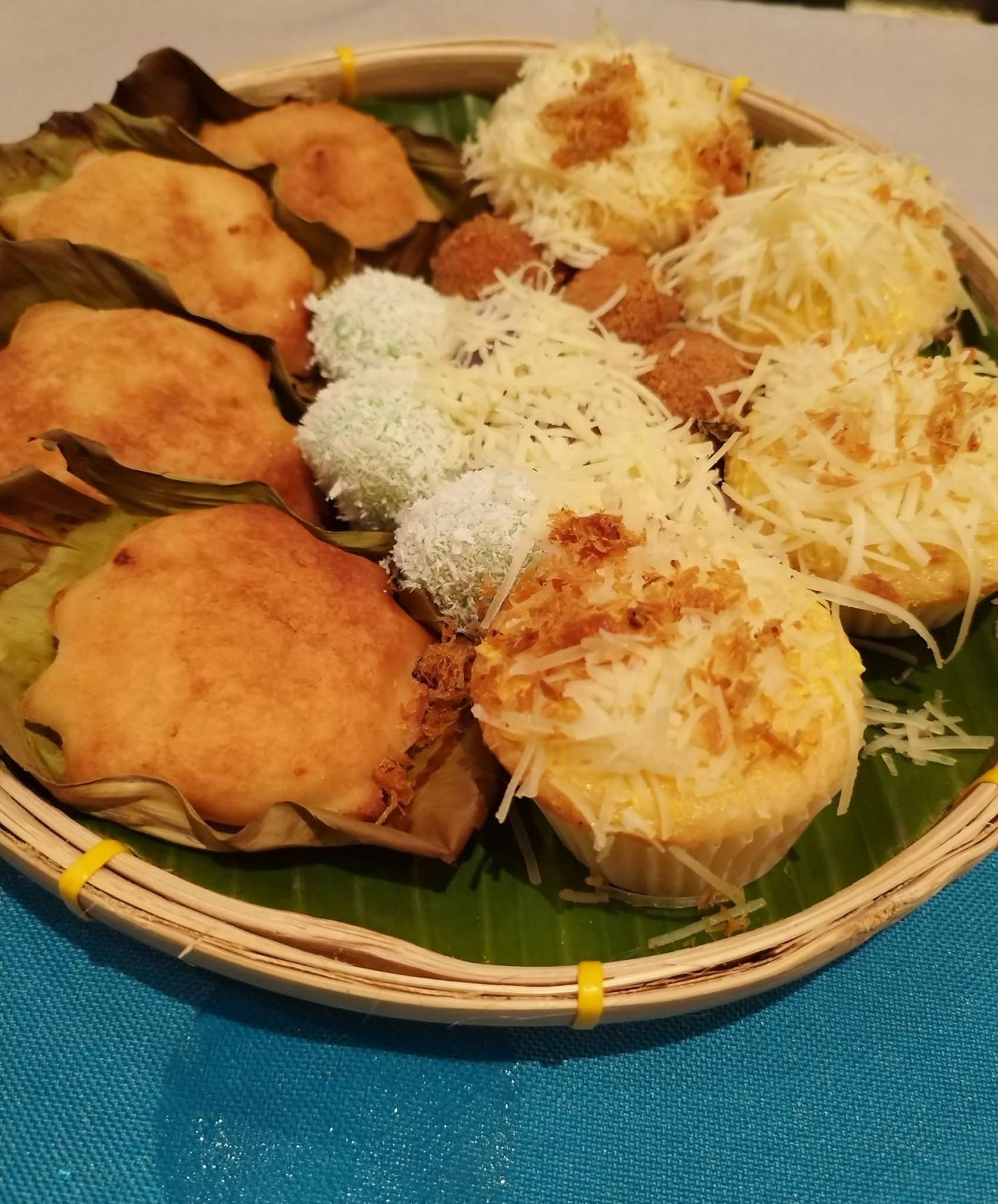
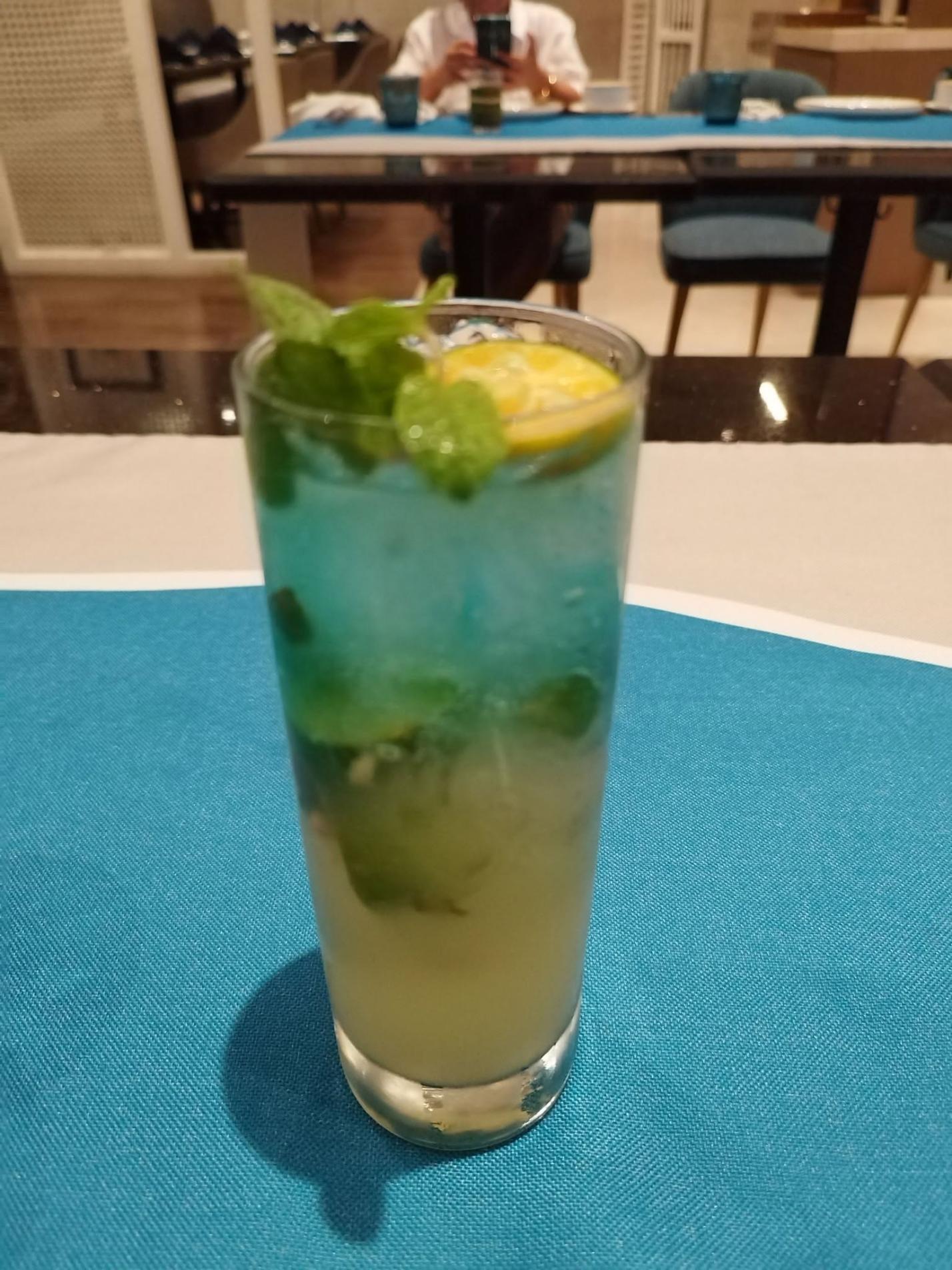
The feast continues with Green Mango and Singkamas with Danggit Powder, Market Fresh Pick Salad with Native Bagoong Dressing, Pritong Manok, Kalkag Fried Rice, and Vegetable Okoy. On the side are Sweet and Spicy Pinakurat, while dessert arrives in the familiar, colorful form of Sapin-Sapin, accompanied by sliced seasonal fruits and Tamarind Iced Tea.
It is, in many ways, a portrait of Filipino dining at its most generous—varied, abundant, unfussy, and meant to be passed from one person to another.
And that may be the most essential ingredient of all.
Because SUTUKIL has never been solely about technique. Its enduring appeal lies in the experience of gathering around food that feels connected to a particular place and its people.
More Than a Meal
For today’s traveler, discovering a destination increasingly means looking beyond its familiar postcard images. The most memorable experiences are often found in the details: a local recipe, an old craft, a conversation with an artisan, or a dish that carries the character of its home.
SUTUKIL SA Pulô brings those details together.
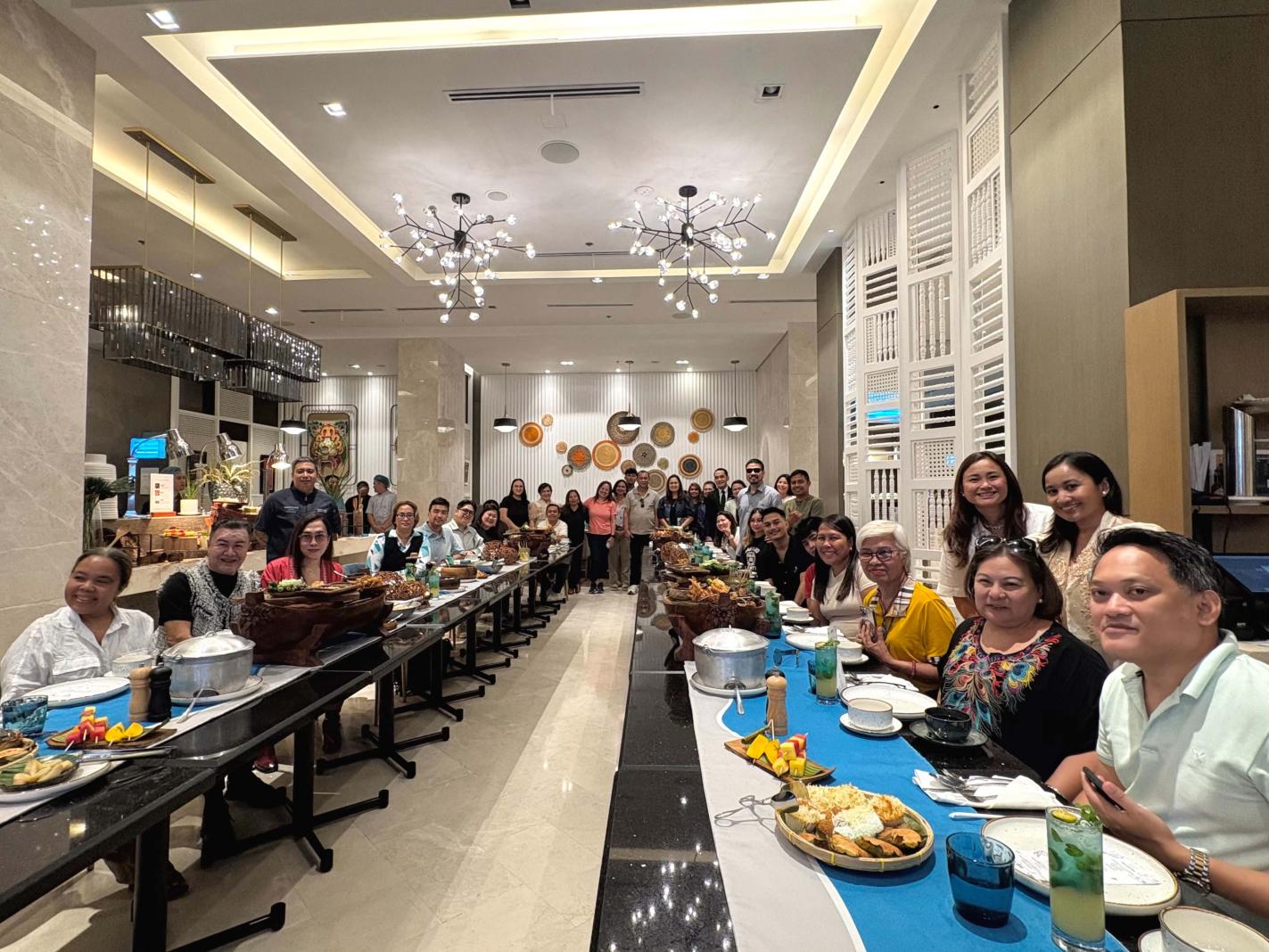
It offers a glimpse of Mactan not simply as a resort destination, but as an island with a living cultural identity—one shaped by the sea, sustained by community, and expressed through food and craftsmanship.
There is something quietly significant about placing an old tradition in a new setting. It allows heritage to remain dynamic rather than becoming something preserved behind glass. SUTUKIL continues to evolve, but its essential character remains: fresh ingredients, time-honored techniques, local hands, and the pleasure of eating together.
In the end, perhaps the best way to understand Mactan is not from a distance, but around a table.
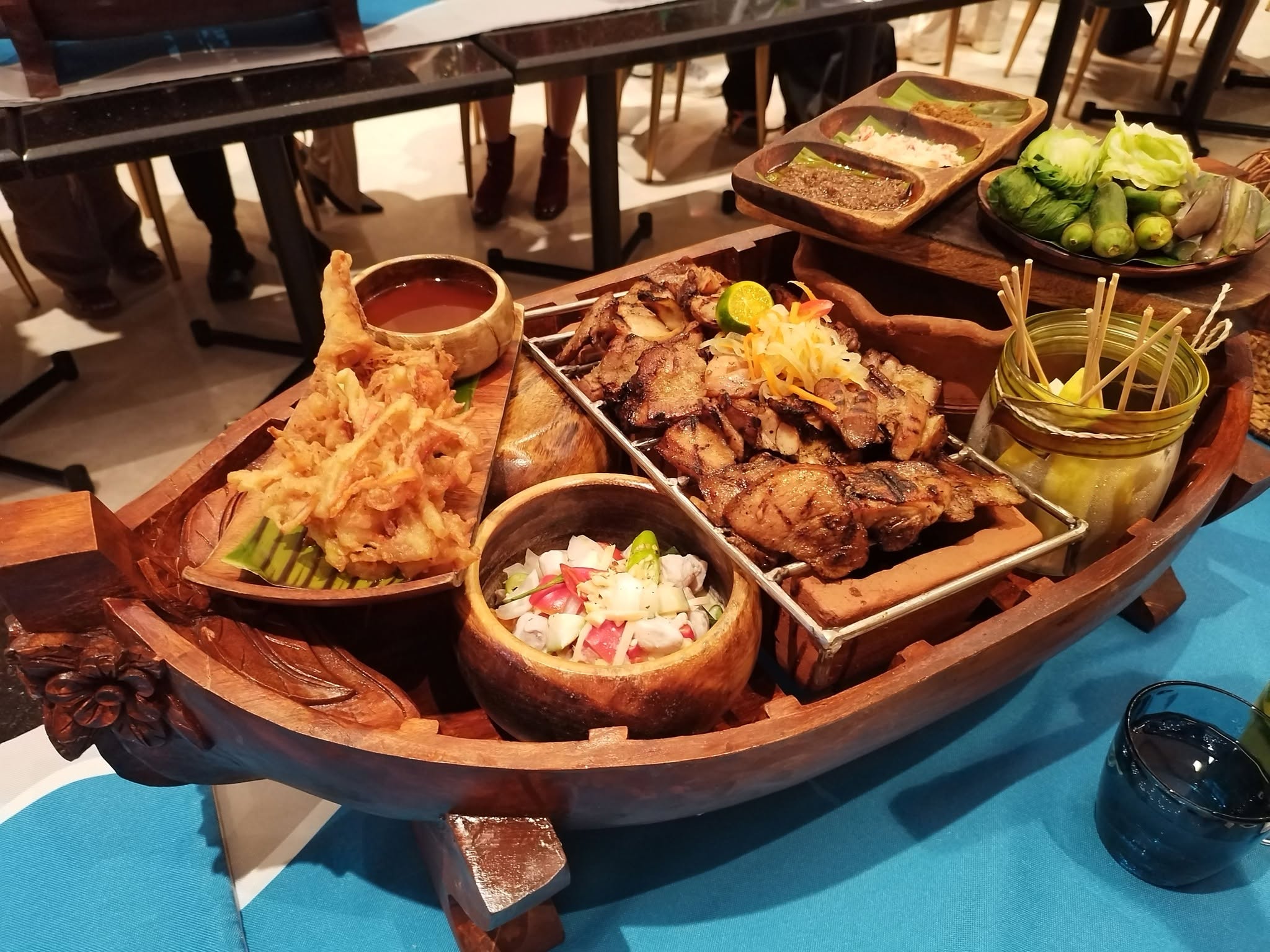
A handcrafted bangka rests at its center. The dishes arrive one by one. Conversation begins. Plates are passed. Familiar flavors tell stories of the sea.
And for a moment, Mactan is not simply somewhere to visit.
It is something to taste, share, and remember.