


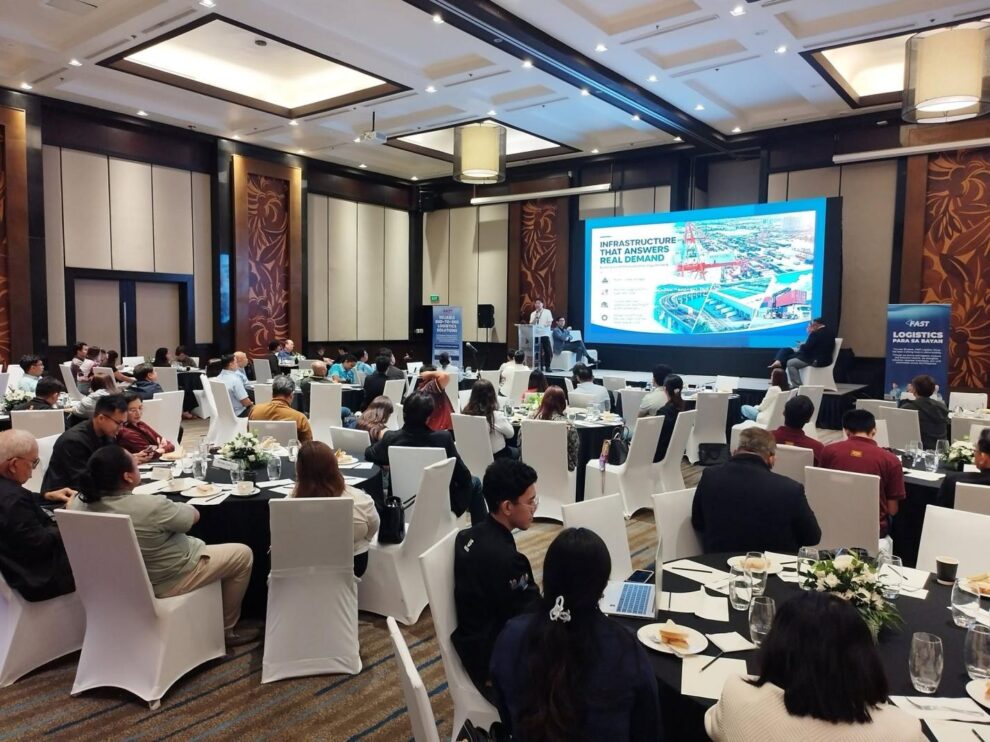

Reliable logistics and stronger supply chain connectivity are critical to helping Cebu businesses reach markets beyond the Visayas, business leaders and government representatives said at the FAST Logistics Solutions Forum 2026, where industry stakeholders examined ways to support enterprise growth and investment.
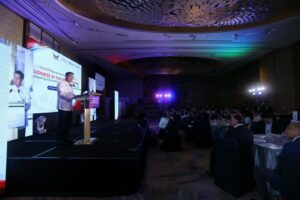
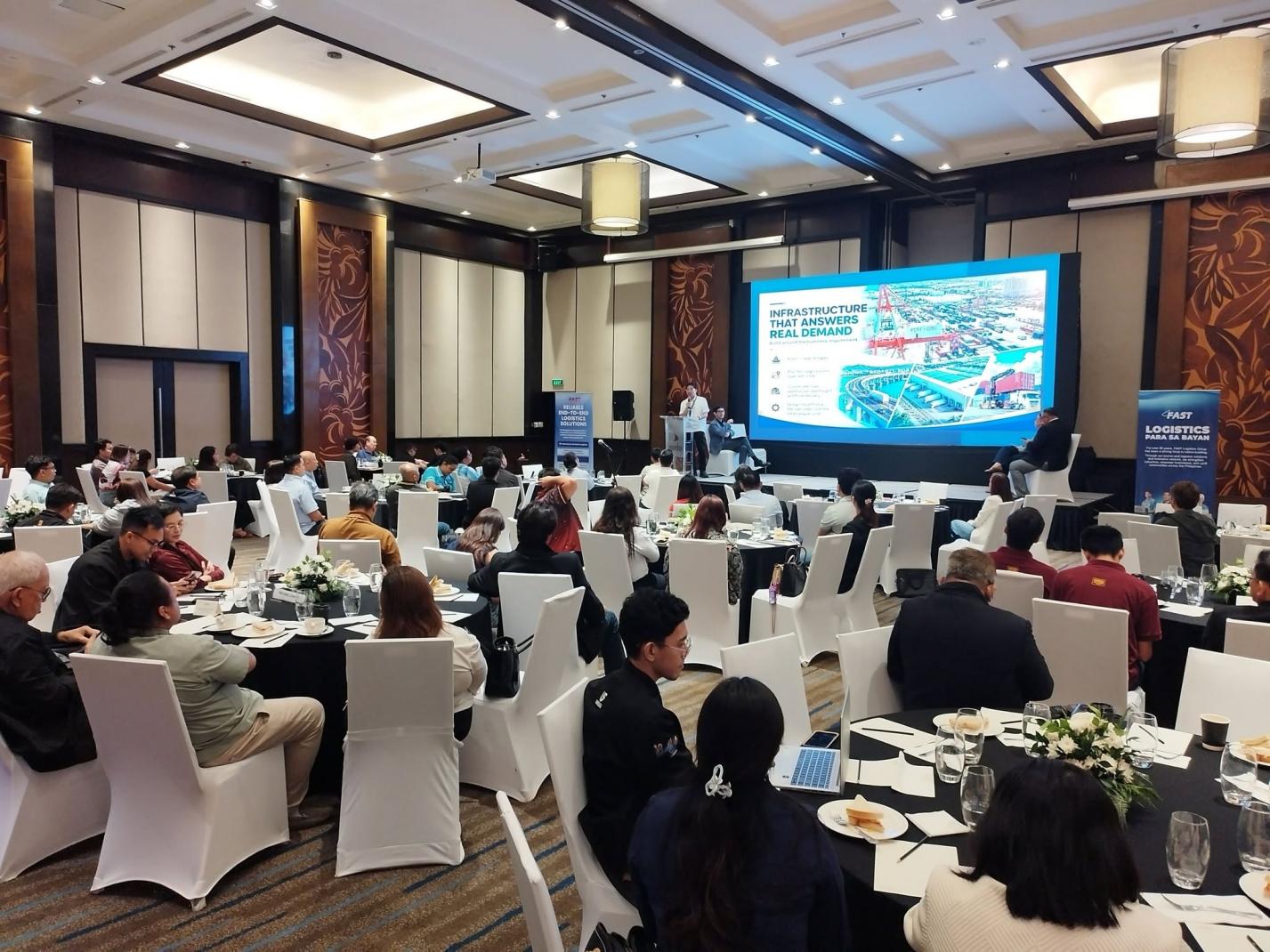
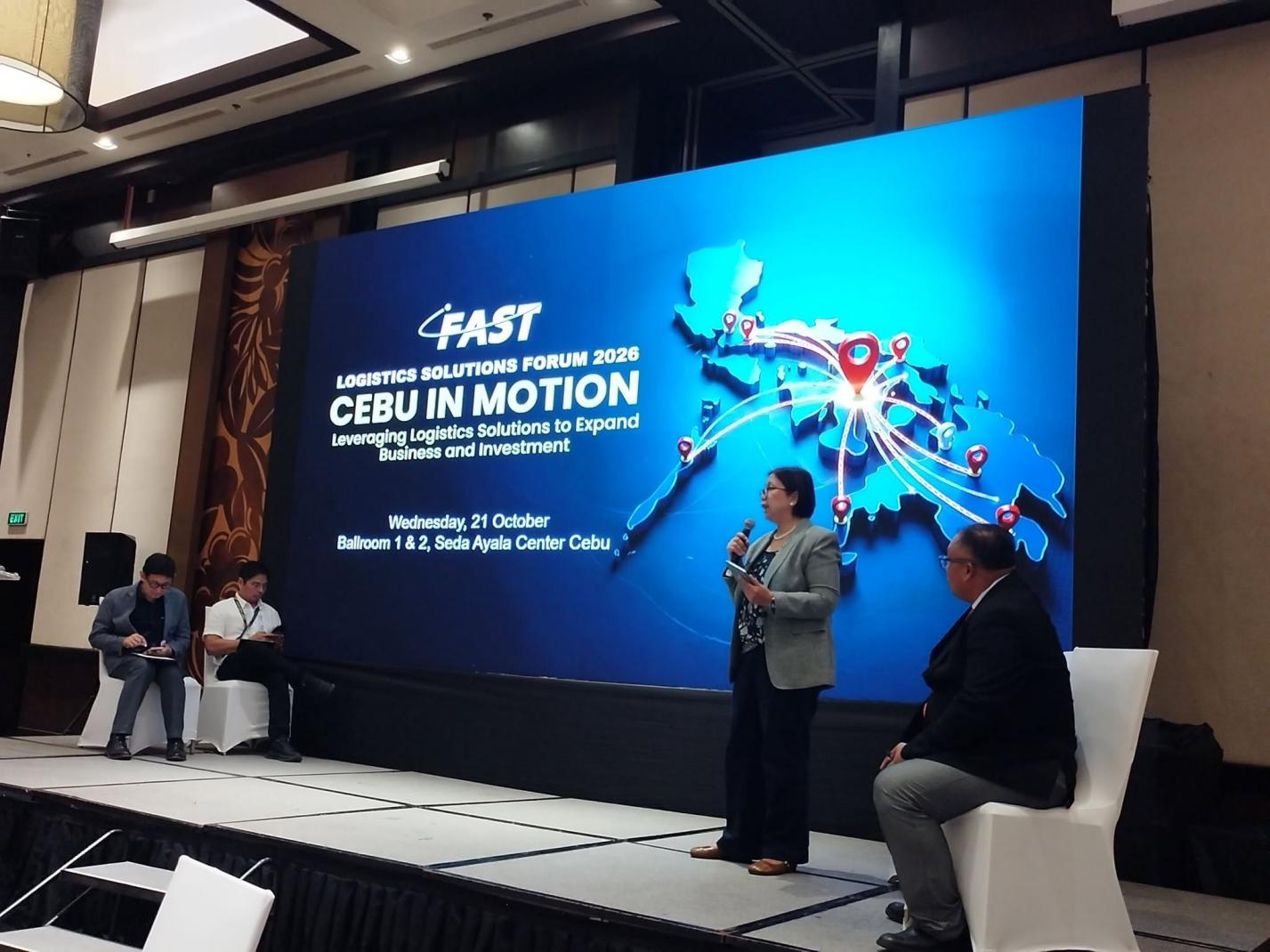
Held on Wednesday, October 21, at Seda Ayala Center Cebu, the forum brought together business leaders, government representatives, and industry stakeholders under the theme “Cebu in Motion: Leveraging Logistics Solutions to Expand Business and Investment.”
Discussions focused on how logistics infrastructure, investment, and industry collaboration can help enterprises expand distribution and serve customers across the country.
Bobby Lim, FAST chief operating officer for transport operations, discussed how businesses can leverage established logistics networks to move products from Cebu to key markets, including Manila, Iloilo, Bacolod, Dumaguete, Tagbilaran, Davao, Cagayan de Oro, General Santos, Butuan, and Zamboanga.
He emphasized that working with a third-party logistics (3PL) provider such as FAST can help businesses scale without the cost and complexity of building and maintaining their own warehousing and transportation infrastructure.
“An integrated third-party logistics provider like FAST Logistics Group gives growing businesses access to logistics infrastructure, expertise, and distribution networks that would be costly to build and maintain independently,” Lim said.
“By bringing together transportation, warehousing, cold chain, cross-docking, and value-added services, including toll manufacturing, we help businesses move products across Luzon, Visayas, and Mindanao. This allows entrepreneurs to focus on their core activities — whether sourcing raw materials, manufacturing, product development, or marketing —while we manage the complexities of their supply chains as a strategic partner,” he added.
Logistics infrastructure supports market expansion
The discussions underscored the importance of logistics infrastructure in an archipelagic country where moving goods between islands requires coordination across different transport modes and distribution networks.
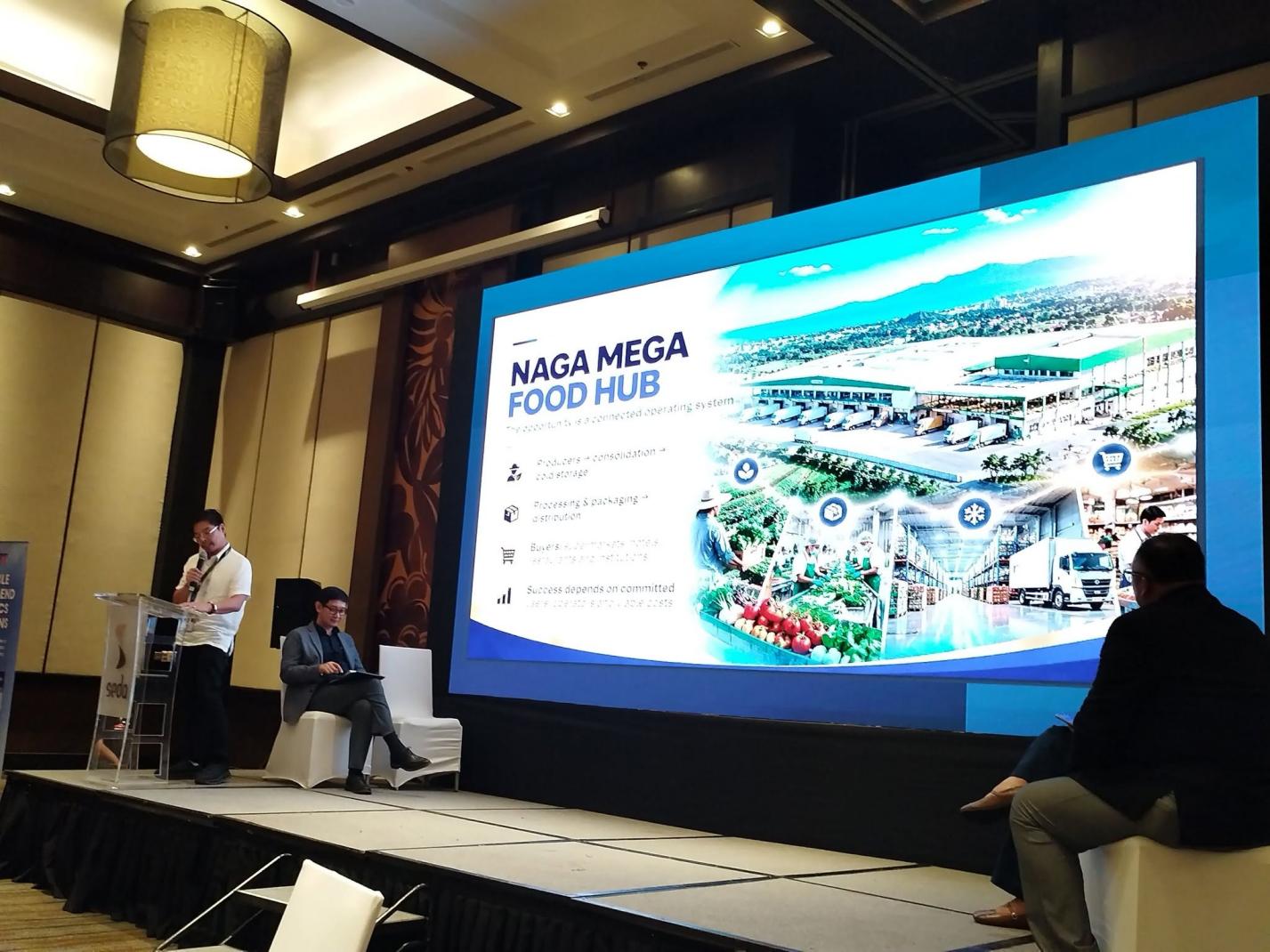
Paulo Uy, head of the Cebu Provincial Investment and Promotions Office, presented the province’s investment and development prospects.
Among the province’s priorities, Uy said, are improving farm-to-market productivity and establishing the Cebu Mega Food Hub in Naga City. He said the proposed facility could help connect farmers and fishers with supermarkets, hotels, restaurants, and buyers in other provinces through the consolidation, cold storage, processing, packaging, and distribution of agricultural and fishery products.
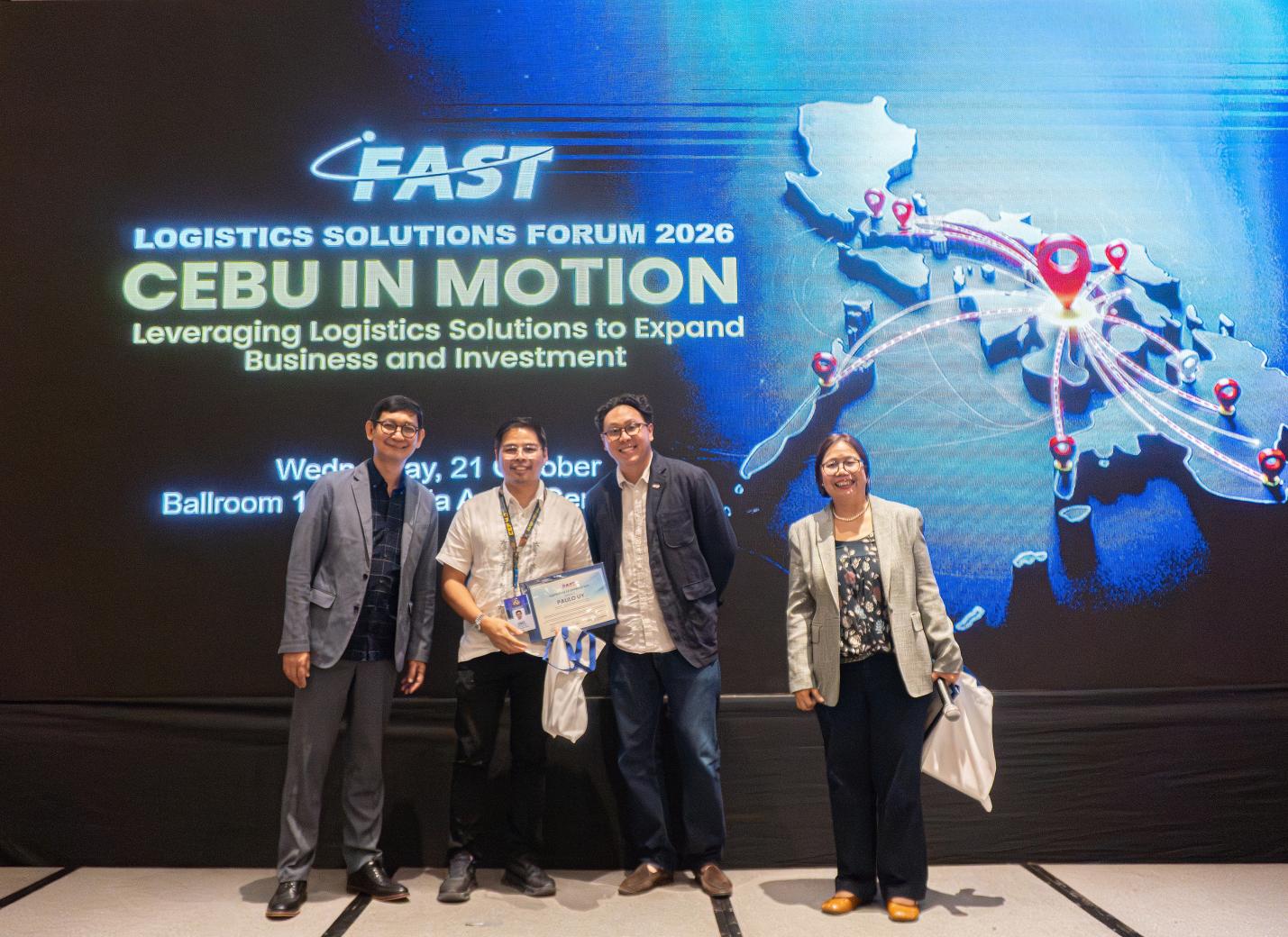
However, Uy noted the facility’s effectiveness would depend on reliable suppliers, committed buyers, adequate storage, dependable utilities, reasonable service charges, and an efficient distribution network.
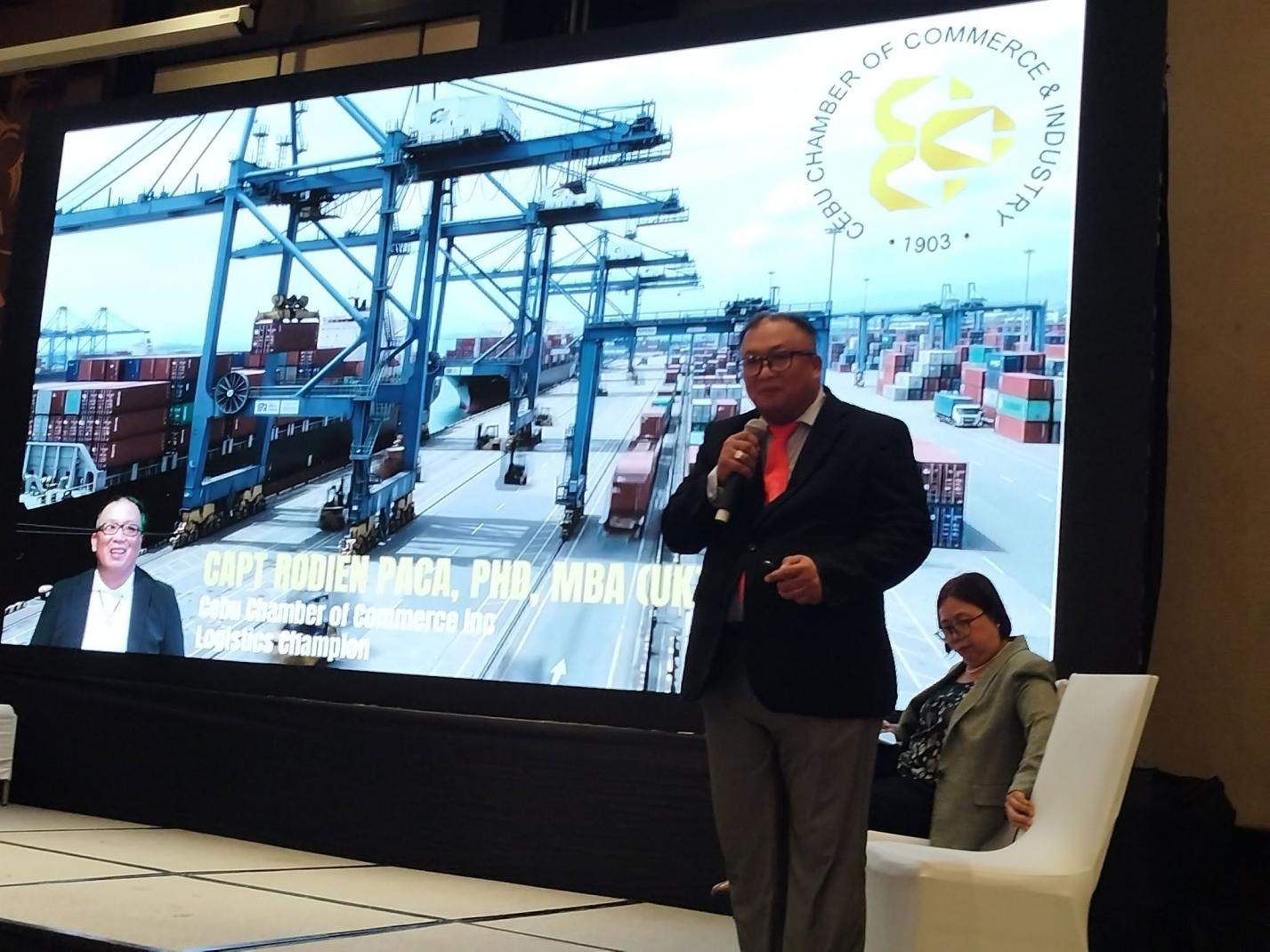
Capt. Rodien Paca, a maritime leader and entrepreneur, delivered a presentation titled “Bridging the Gaps in Philippine Logistics: Challenges, Growth Enablers, and Practical Solutions.”
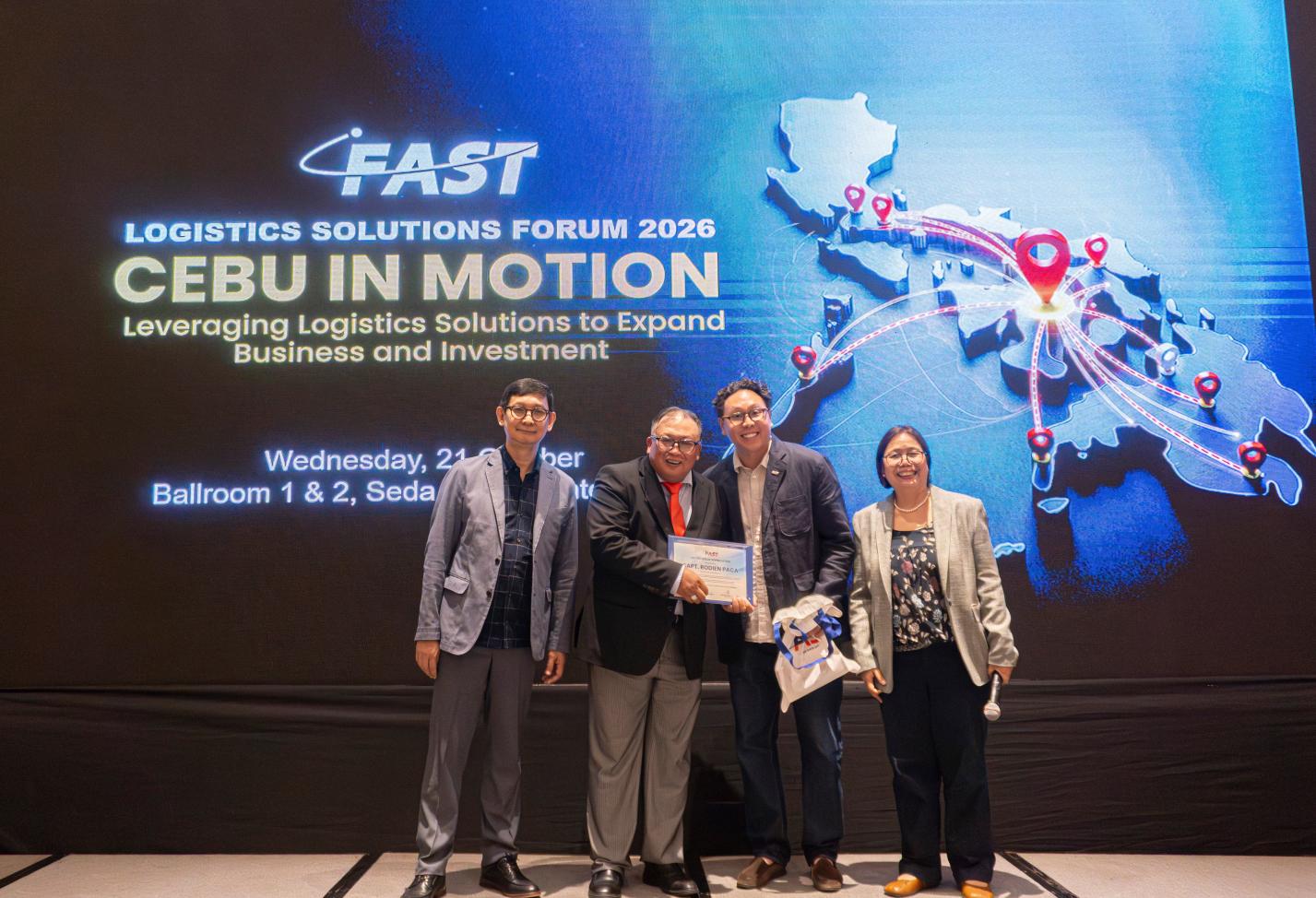
He highlighted the importance of experienced personnel, reliable systems, better coordination, and appropriate technology in building a more efficient and competitive logistics industry.

Dr. Brian To, global strategist and senior fellow at Wharton, discussed the importance of establishing a market presence and securing reliable raw material supplies as businesses expand into international markets, with logistics playing a key role in connecting suppliers, production, and customers.
Connecting Cebu businesses to key markets
In Cebu, FAST operates dry warehouses, cold storage facilities, and transportation and cross-docking hubs in Cebu City, Mandaue City, and Consolacion. These facilities support the movement of goods within the province and connect regional distribution operations to markets across the Philippines.
FAST’s nationwide network includes more than two million square meters of warehouse space and over one million pallet positions for dry and temperature-controlled goods. Its transport operations manage more than 3,100 trucks daily, supported by over 900 trucking partners. The company also works with 14 shipping lines and two airline partners to support sea and air freight solutions.
For businesses seeking to expand their distribution, access to shared logistics infrastructure can provide an alternative to investing in and maintaining their own facilities and transport fleets.
“Businesses are looking for ways to manage supply chain complexity and reach customers across a geographically dispersed market at a cost that reflects efficiency. These requirements are driving demand for integrated 3PL services,” said VP for Group Strategy Gladys Ceniza.
The forum also highlighted opportunities for Cebu-based trucking companies and fleet operators to work with FAST as transport partners, underscoring the contribution of local operators to wider supply chain networks.
The presentations offered perspectives on how investment, market access, and logistics capabilities intersect as businesses seek to serve new customers and expand their operations.

FAST traces its roots to William Lines Inc., a Cebu-based passenger and cargo shipping operator, and has since expanded into an integrated logistics provider serving multinational companies, Filipino conglomerates, and micro, small, and medium enterprises (MSMEs) across multiple industries.