

FAST Logistics Group is strengthening its logistics network, investing in technology, and developing its workforce as it prepares for the next 50 years of helping Philippine businesses grow.
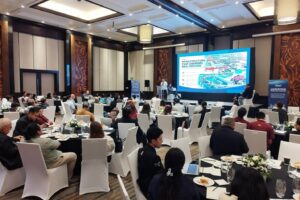
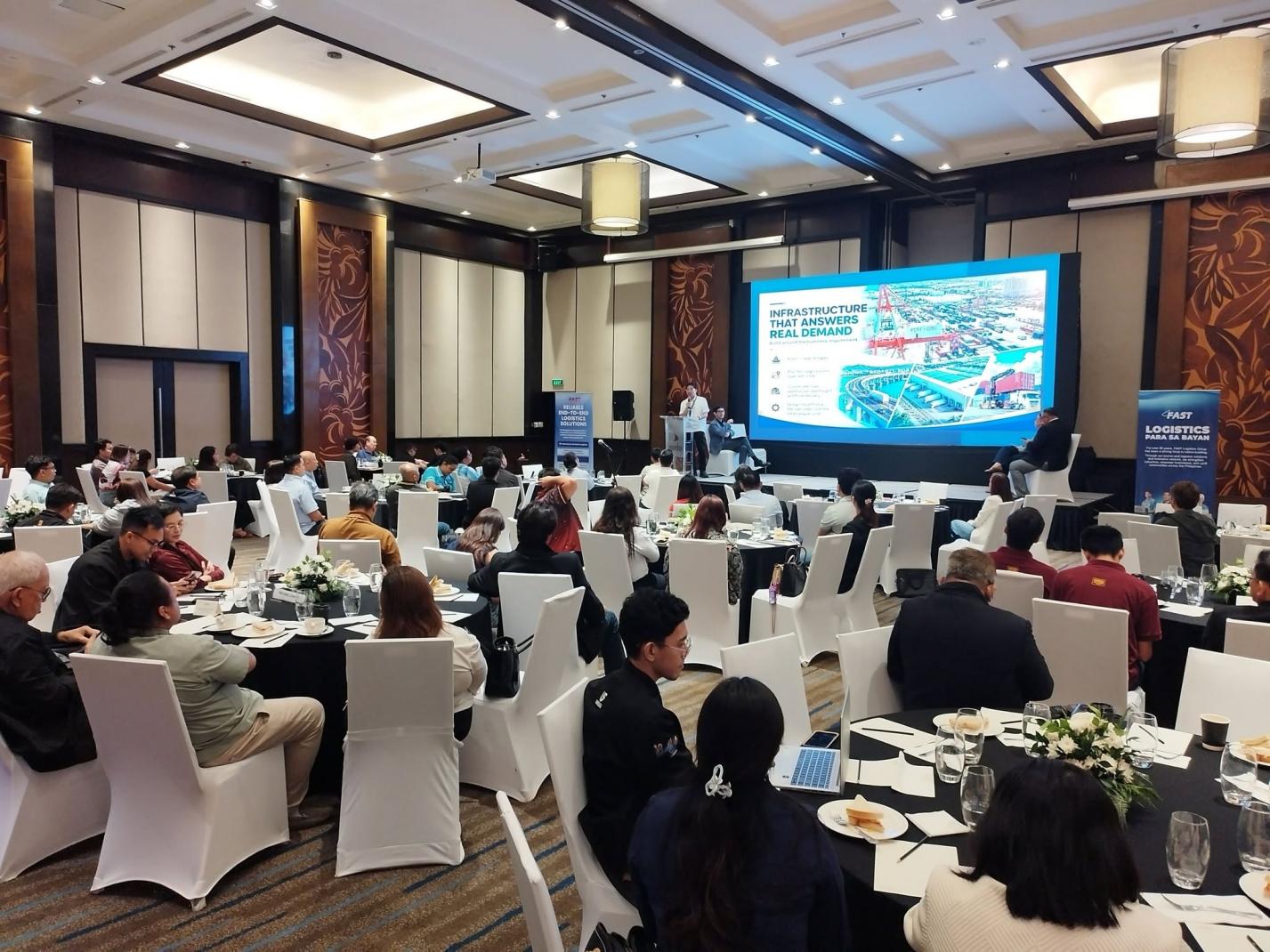
Speaking at the recent SCMAP Visayas Supply Chain Summit 2026, FAST AVP for Customer Revenue Strategy and Digital Transformation Anton Chiongbian said the company’s next chapter will build on its customer-focused culture while embracing new technologies and ways of working
“The future is not something we simply wait for. It is something we actively build,” Anton said, speaking before business executives, government leaders, and industry stakeholders present at the conference. “For FAST, building the next 50 years means preserving the values and customer focus that brought us here while embracing new ideas, technologies, and ways of working.”
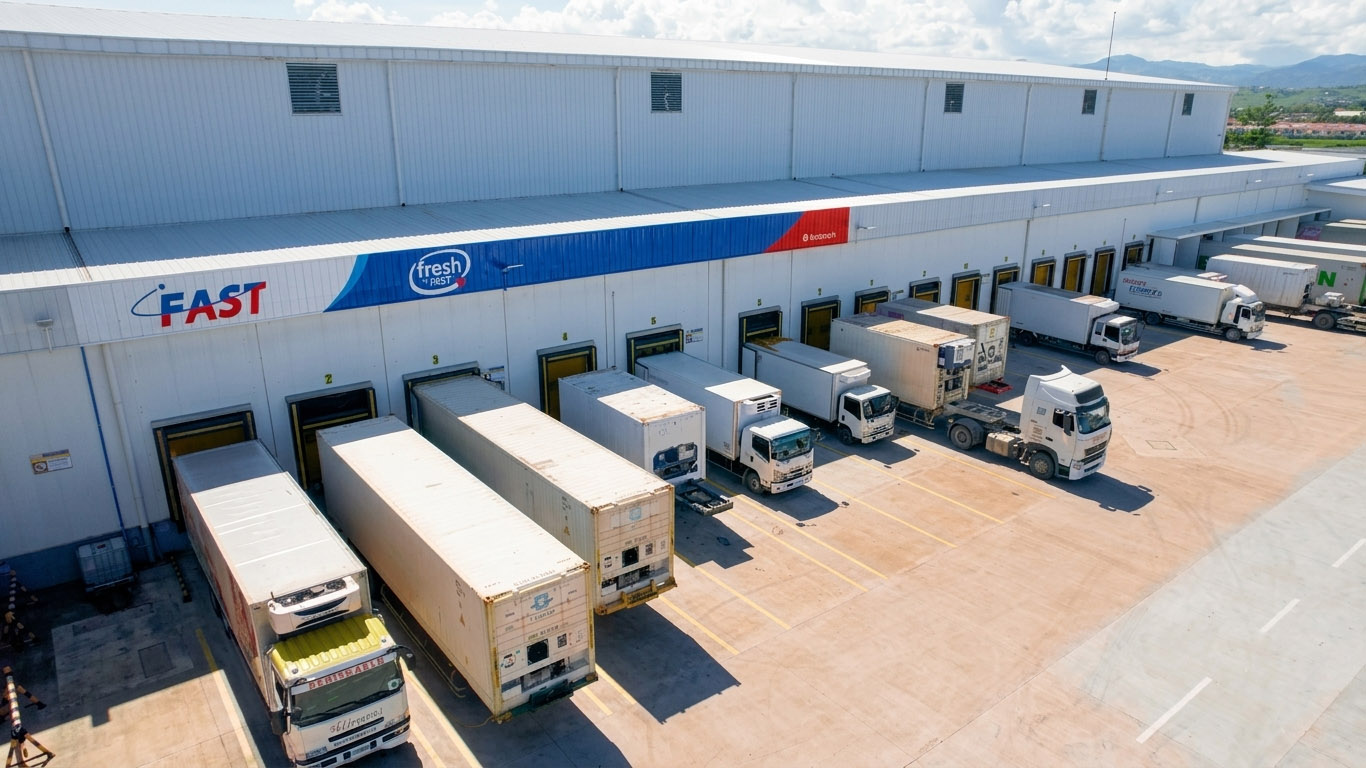
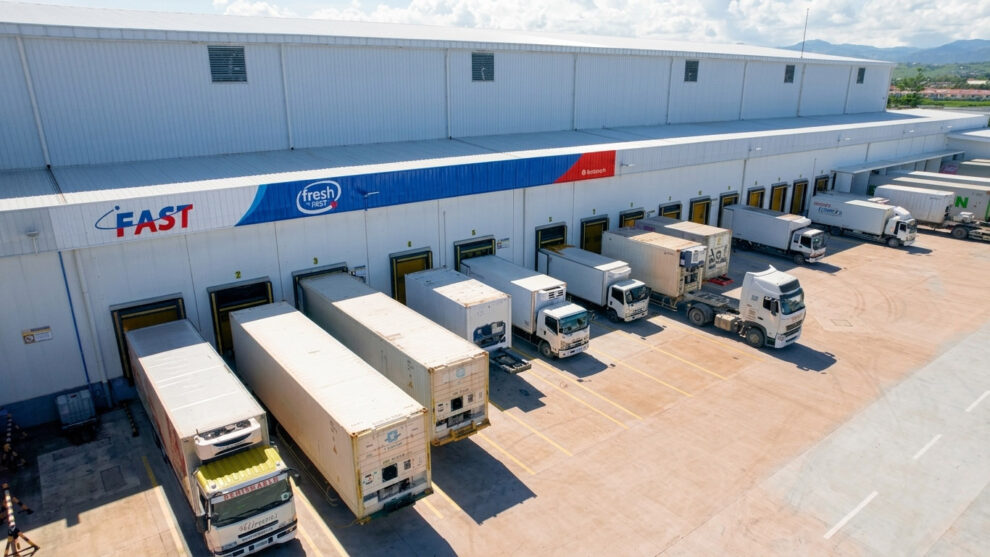
FAST traces its roots to William Lines, the Cebu-based shipping company established by Anton’s great-grandfather, William L. Chiongbian. It has since evolved into an integrated logistics provider operating across 94% of Philippine provinces, with more than 13,000 employees, over 160 hubs and more than two million square meters of warehouse space, and over 3,100 trucks powering its transport operations.
FAST’s ownership recently returned to the Chiongbian family following its acquisition of the 40% stake previously held by Asia Seal Pte. Limited, a subsidiary of global private equity firm CVC Capital Partners.
“We often say that we are not simply in the service business. Rather, we are in the business of providing solutions,” Anton said, underscoring the company’s approach of tailoring logistics services to customers’ operational requirements and business challenges.
Technology is central to FAST’s modernization strategy, particularly as supply chains face increasing complexity and demand greater visibility, efficiency, and responsiveness, he emphasized.
Anton noted the company is transitioning from its in-house Transport Management System to FarEye, an AI-powered delivery orchestration platform intended to enhance customer-facing visibility, accelerate capability upgrades, and simplify system integration.
FAST also uses AI-enabled dashcams to monitor driver behavior and flag potential road hazards, while Honeywell’s Warehouse Management System and voice-picking technology support inventory visibility, picking accuracy, and warehouse efficiency, he said.
“The next 50 years we are building for FAST is not built on hype, but built on solving real-world problems,” Anton said. “We do not adopt AI for AI’s sake. Instead, we utilize innovation and tools to address operational bottlenecks and unlock exponential gains over time.”
Alongside technology, he noted FAST is investing in its workforce, recognizing that digital tools must complement employees’ expertise and judgment.
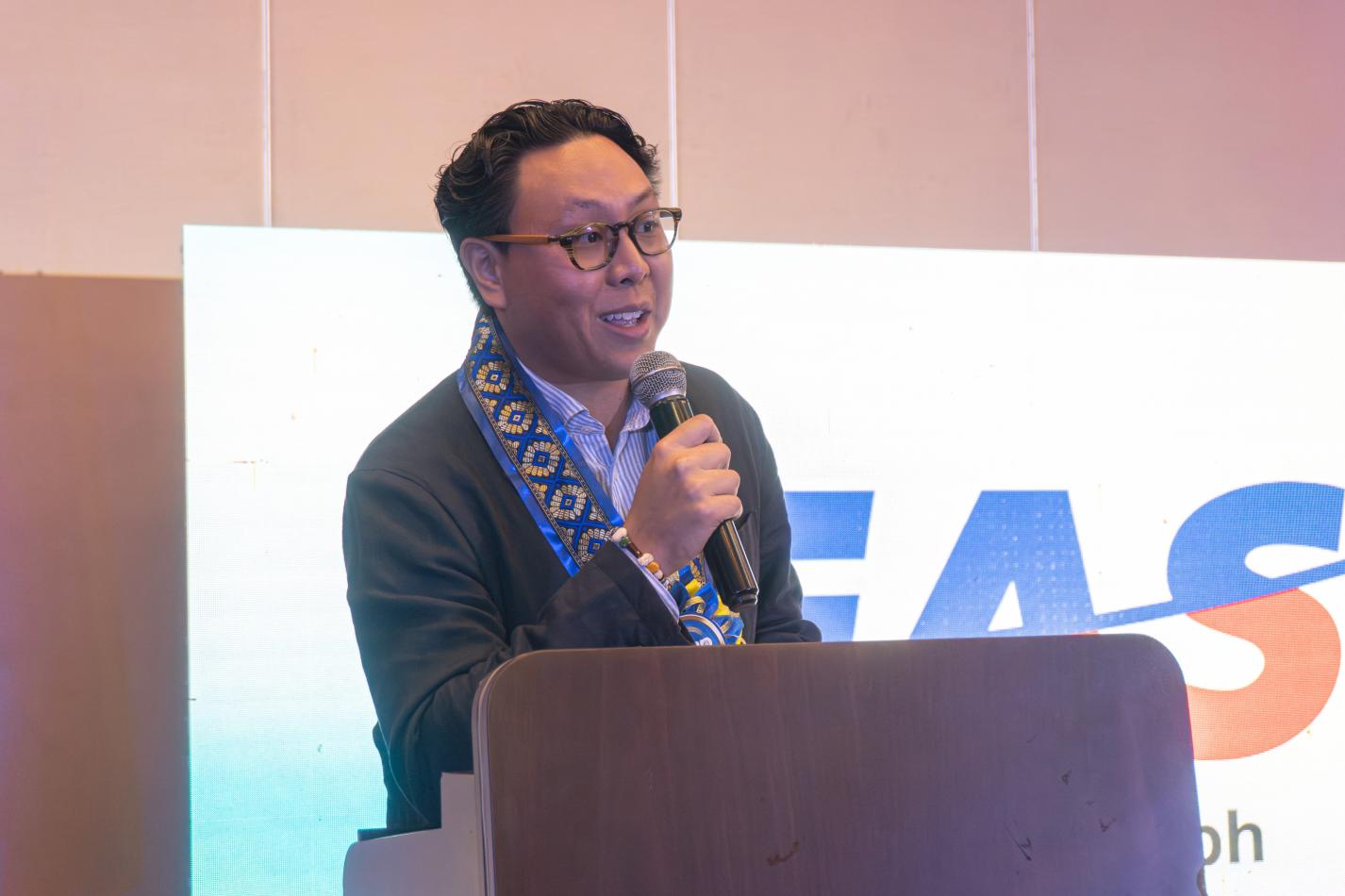
FAST Logistics Group AVP for Customer Revenue Strategy & Digital Transformation Anton Chiongbian emphasized at the SCMAP Visayas Supply Chain Summit that building the next 50 years of FAST Logistics Group means staying true to the customer-focused values that built the company while embracing technology, developing talent, and innovating to meet evolving business needs.
“We see technology not as a replacement of our people, but as a way to empower them,” Anton said, noting that automation can reduce repetitive work and allow employees to focus on problem-solving, collaboration, and other value-adding activities.
FAST is also expanding the role of its logistics infrastructure in supporting regional businesses, particularly in Cebu, where the company has longstanding ties to the business community.
FAST operates facilities in Tayud, Consolacion, Cebu City, and Mandaue City provide dry warehousing, temperature-controlled storage, and logistics support for the biggest companies across food and beverage, consumer goods, personal care, apparel, and industrial sectors.
Through FAST facilities and its nationwide transport network, Anton said the organization also helps Cebu-based businesses consolidate shipments and distribute products to more destinations across the country.
The company’s Cebu operations also support supply chain continuity during disruptions. Through its Crossdock and Transport Hub in Cebu City, FAST works with major brands to position inventory closer to retailers and consumers before transport interruptions occur, helping mitigate delays caused by events such as typhoons.
Anton cited a canned sardines company that used FAST’s forward-stocking strategy to maintain product availability in Cebu during Typhoon Tino. By positioning inventory in advance, the company continued supplying retail outlets and meeting consumer demand despite transportation challenges affecting other fast-moving consumer goods.
“Resilience is not built only when a crisis happens. It is built through the decisions we make beforehand,” Anton said.
As FAST looks ahead, its priorities include modernizing operations, strengthening infrastructure, developing talent, and adopting technologies that address practical business needs. The company also emphasized the importance of collaboration among businesses, logistics providers, government agencies, industry organizations, and communities in building stronger supply chains.