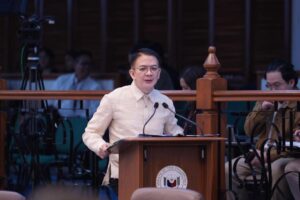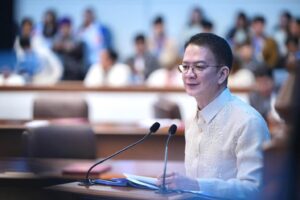

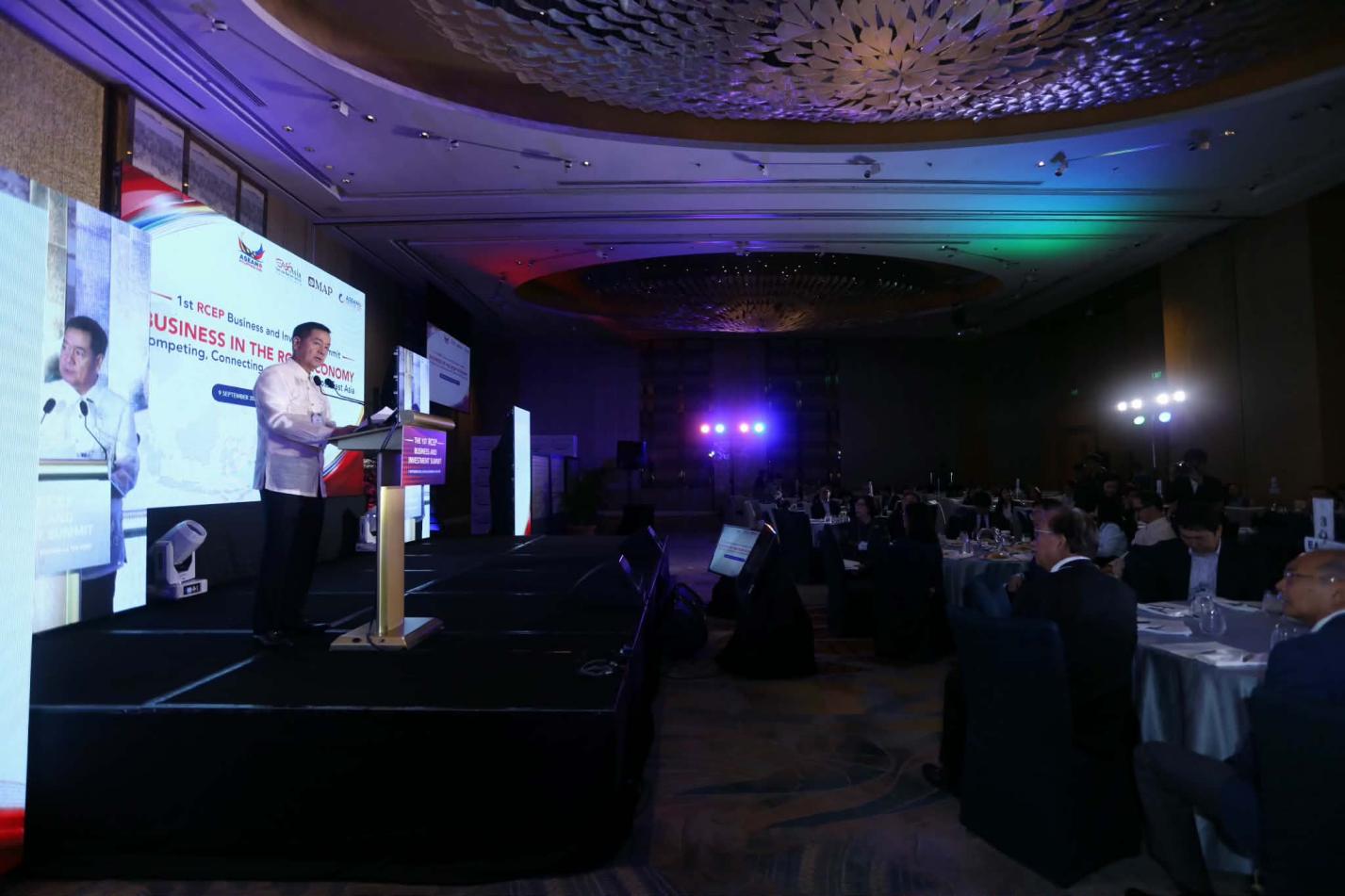

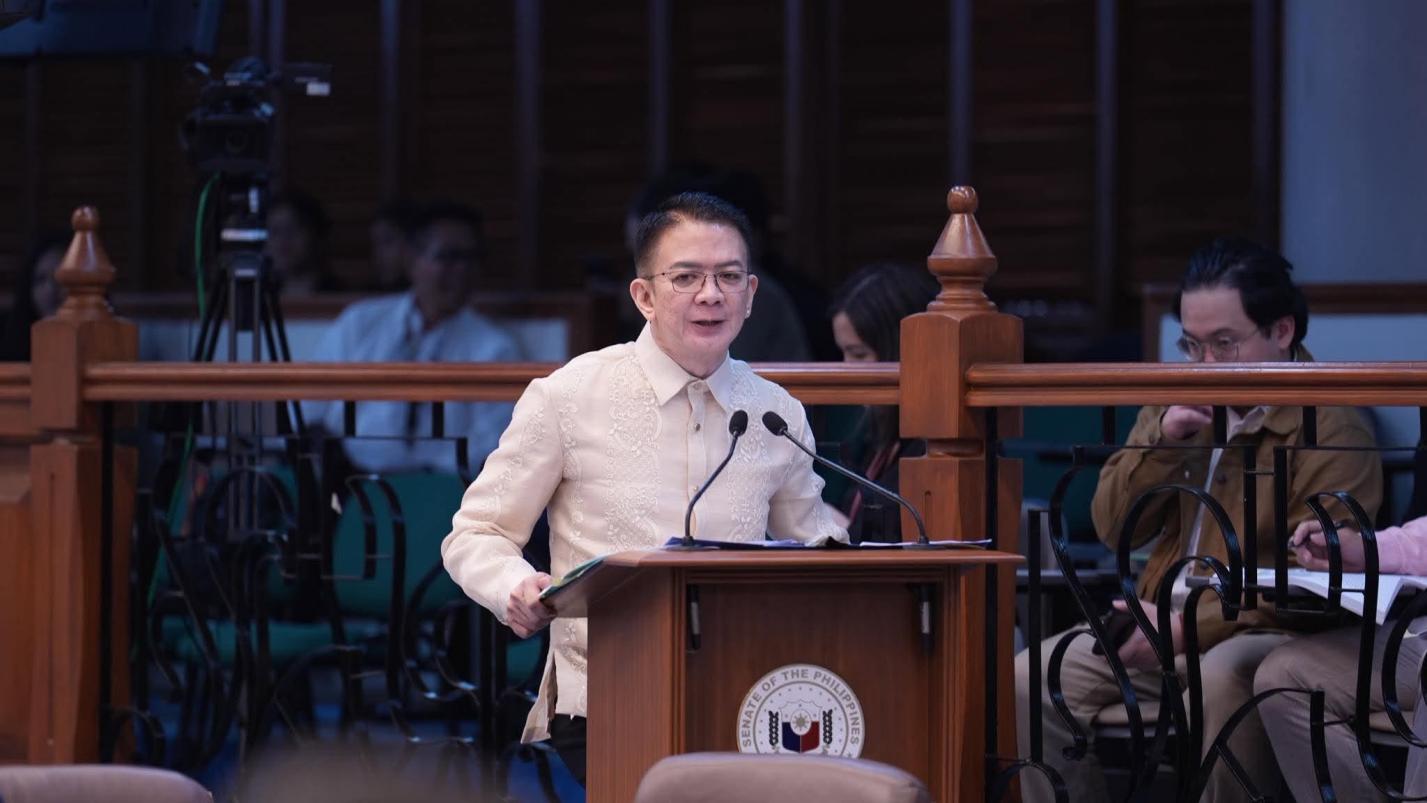



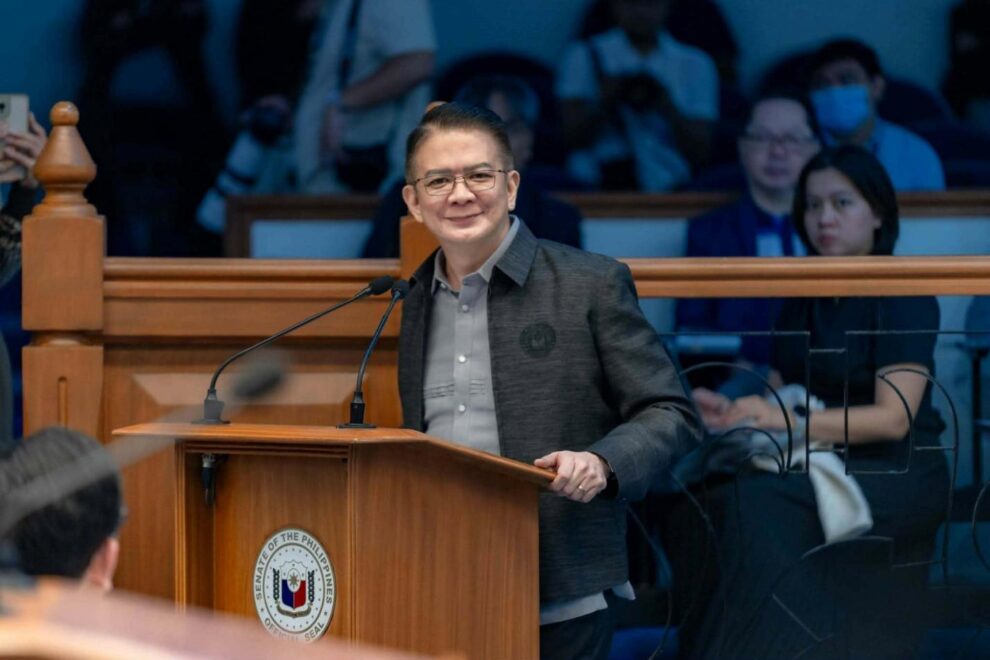

Senator Francis “Chiz” Escudero has maintained that the national government should consider non‑tax revenue options, including the bidding out of exploration and production agreements over the country’s indigenous coal resources.
The veteran legislator made the statement as economic managers continue to study ways to strengthen revenue generation to sustain social protection programs, energy transition efforts, and long‑term fiscal stability. He said this approach on indigenous resources could help generate additional funds while supporting ongoing fiscal and development priorities.
To date, several tax proposals remain under review as part of the government’s broader fiscal strategy. Among the measures being examined are adjustments to excise taxes on sweetened beverages and certain food products, the Motor Vehicle Road User’s Tax (MVRUT), and the proposed excise tax on single-use plastics (SUPs).
Escudero has consistently maintained that new taxes should be a last resort, emphasizing the importance of efficient revenue collection and the full utilization of existing non‑tax opportunities.
The senator noted that the Philippines has long‑identified coal‑bearing areas in Cagayan, Isabela, and parts of South Cotabato and Sarangani, which can be offered to the private sector through transparent and competitive bidding, since these areas remain underdeveloped despite their potential to contribute to national revenues.
“In lieu of new taxes, the government should maximize the resources it already owns,” Escudero said. “Bidding out exploration and sharing agreements over our indigenous coal reserves is a practical way to raise revenues without imposing additional burdens on the public.”
He explained that properly structured agreements can provide substantial upfront payments and steady annual income for the government through work program commitments and the state’s share from future production.
Escudero said his own economic estimates show the scale of the opportunity. “If done correctly and competitively, these agreements can yield up to one trillion pesos upfront, and around seventy to one hundred billion pesos every year in non‑tax revenues,” he pointed out.
The Bicolano senator added that tapping indigenous energy resources can complement the country’s long‑term energy and development goals.
He expressed hopes the government will continue to explore non‑tax options alongside existing revenue measures to help support national priorities while being mindful of the public’s capacity to absorb new taxes.