

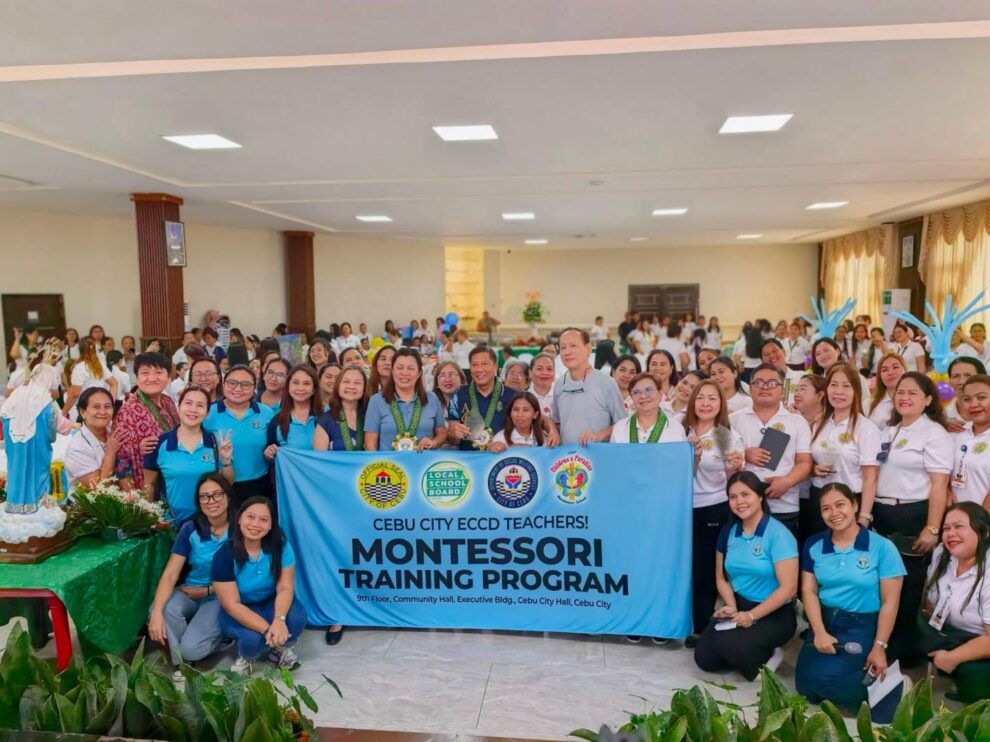

More than 260 day care teachers and supervisors are learning new ways to teach young children. Through a partnership with Cebu Paradise Montessori School (CPMS), the Cebu City Government is bringing Montessori education into its Early Childhood Care and Development program.
The collaboration aimed at strengthening early childhood education through sustained professional development.
The initiative, anchored on Montessori principles of child-centered and experiential learning, highlights a deeper commitment: transforming not just classrooms, but also the educators who shape young learners during their most formative years.
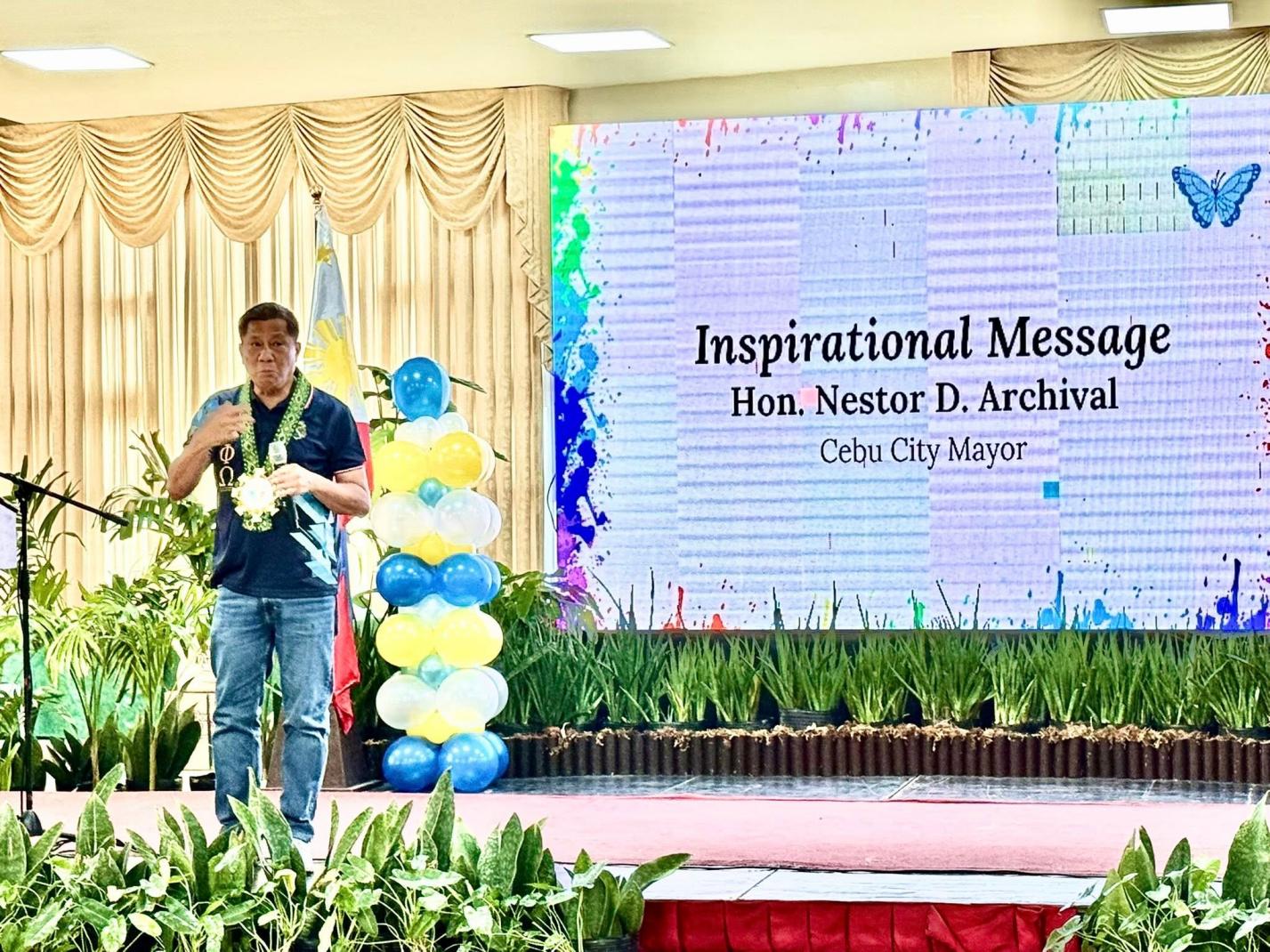
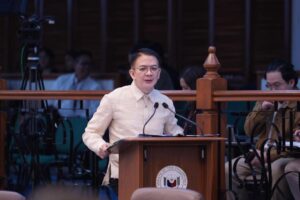
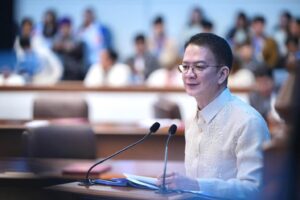
Cebu City Mayor Nestor Archival, speaking during the recognition ceremony, reminded the teachers that learning does not end with the completion of training.
Drawing inspiration from the Japanese concept of Kaizen, or continuous improvement, Archival shared the story of how small changes made by employees helped transform a modest company into what would eventually become global automotive giant Toyota.
By adopting simple yet effective innovations—such as organizing tools and refining workflows—the company steadily enhanced efficiency, laying the foundation for Toyota’s remarkable rise.
The lesson, the mayor said, applies equally to educators.
“As teachers, you need to continue to improve in what you’re doing,” Archival told the participants. “You need to continue to evolve and find ways to improve how you teach.”
He encouraged the teachers to embrace innovation, stay organized, and continually seek better ways to serve children.
The mayor’s message resonated with the objectives of the Montessori program, which seeks not only to improve teaching methods but also to foster a culture of lifelong learning among educators.
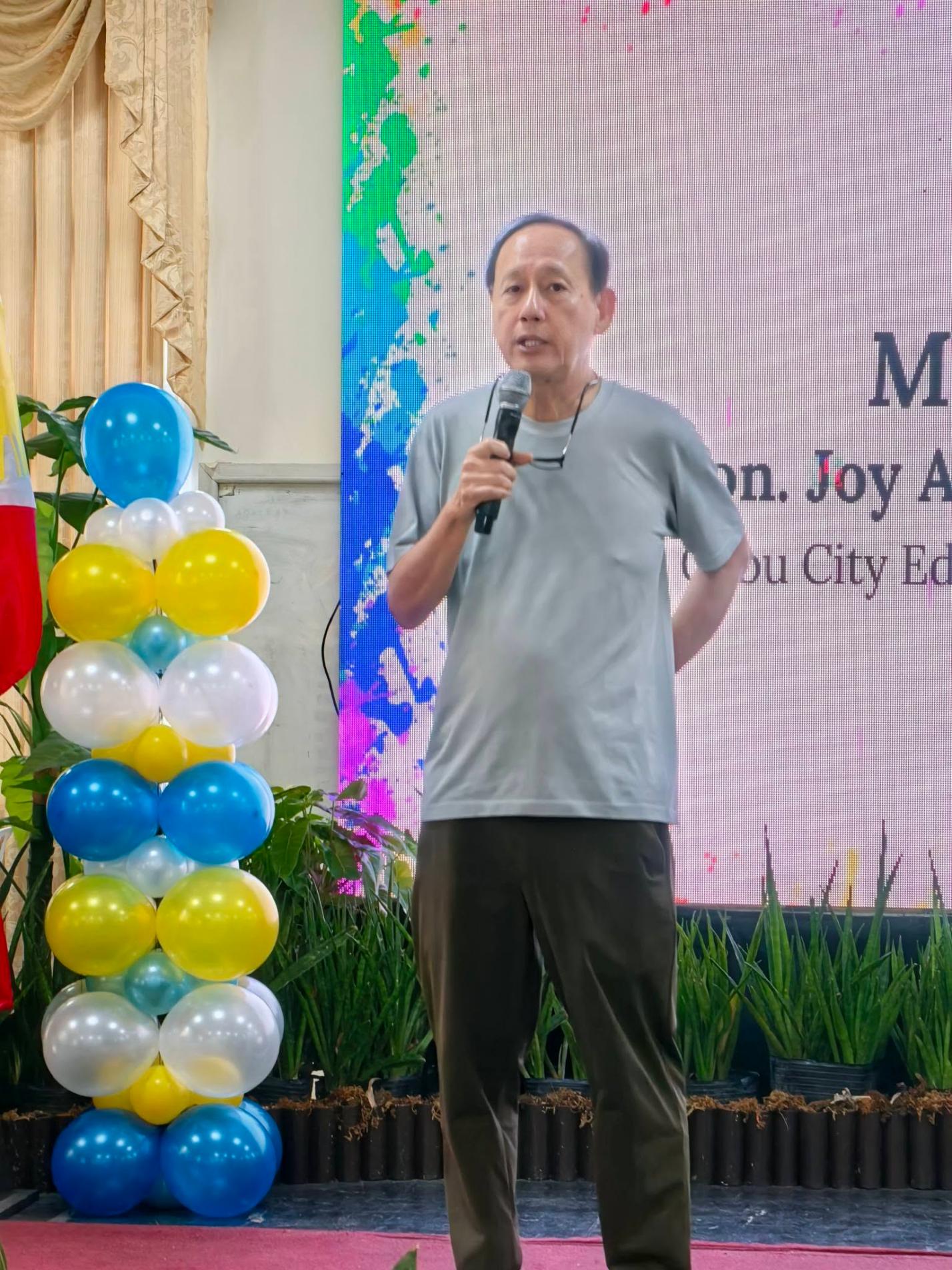
Meanwhile, Cebu City education consultant Joy Young said the professional development program for Early Childhood Care and Development (ECCD) teachers started way back 2008.
“The training did not continue due to changes in city leadership. Under the current leadership, the 10-day training is revived,” Young said.
He added that this marks a significant step in strengthening early childhood education in the city. “This is the first ever Montessori training conducted for ECCD teachers,” he said.
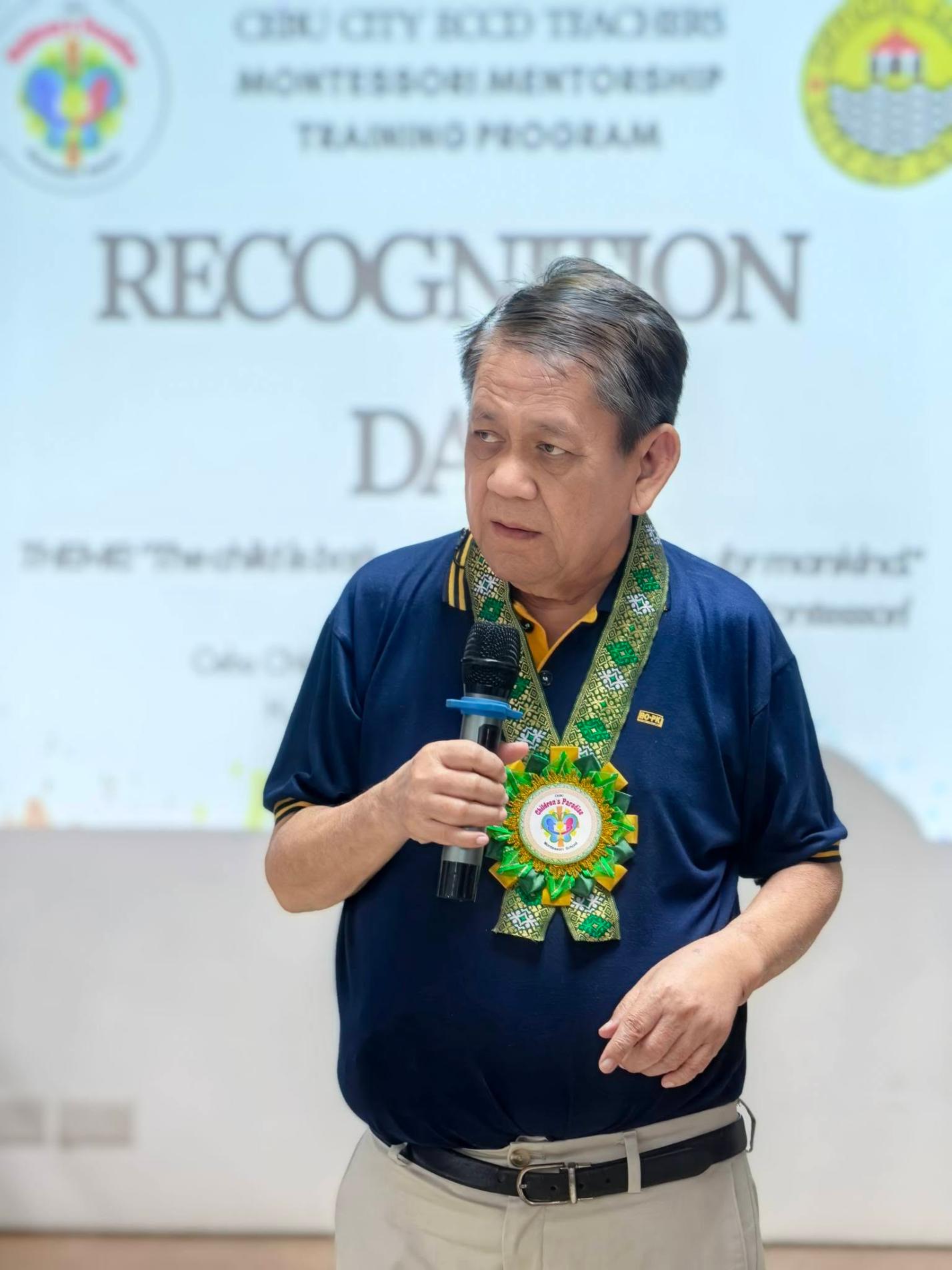
During the recognition ceremony for the first batch, Cebu City Vice Mayor Tomas Osmeña commended Young’s longstanding commitment to education. He noted that even after leaving public office, Young continues to champion educational initiatives and remains actively engaged in promoting quality learning opportunities for children.
The training was conducted in two batches, carefully designed to match varying levels of experience among participants.
The first batch consisted of 60 cluster heads, supervisors, and teachers who had previously attended three to four Montessori trainings. They completed a 10-day Montessori Mentorship Training Program from May 18 to 30, focusing on advanced application, mentoring skills, and deepening Montessori practice in public early childhood centers.
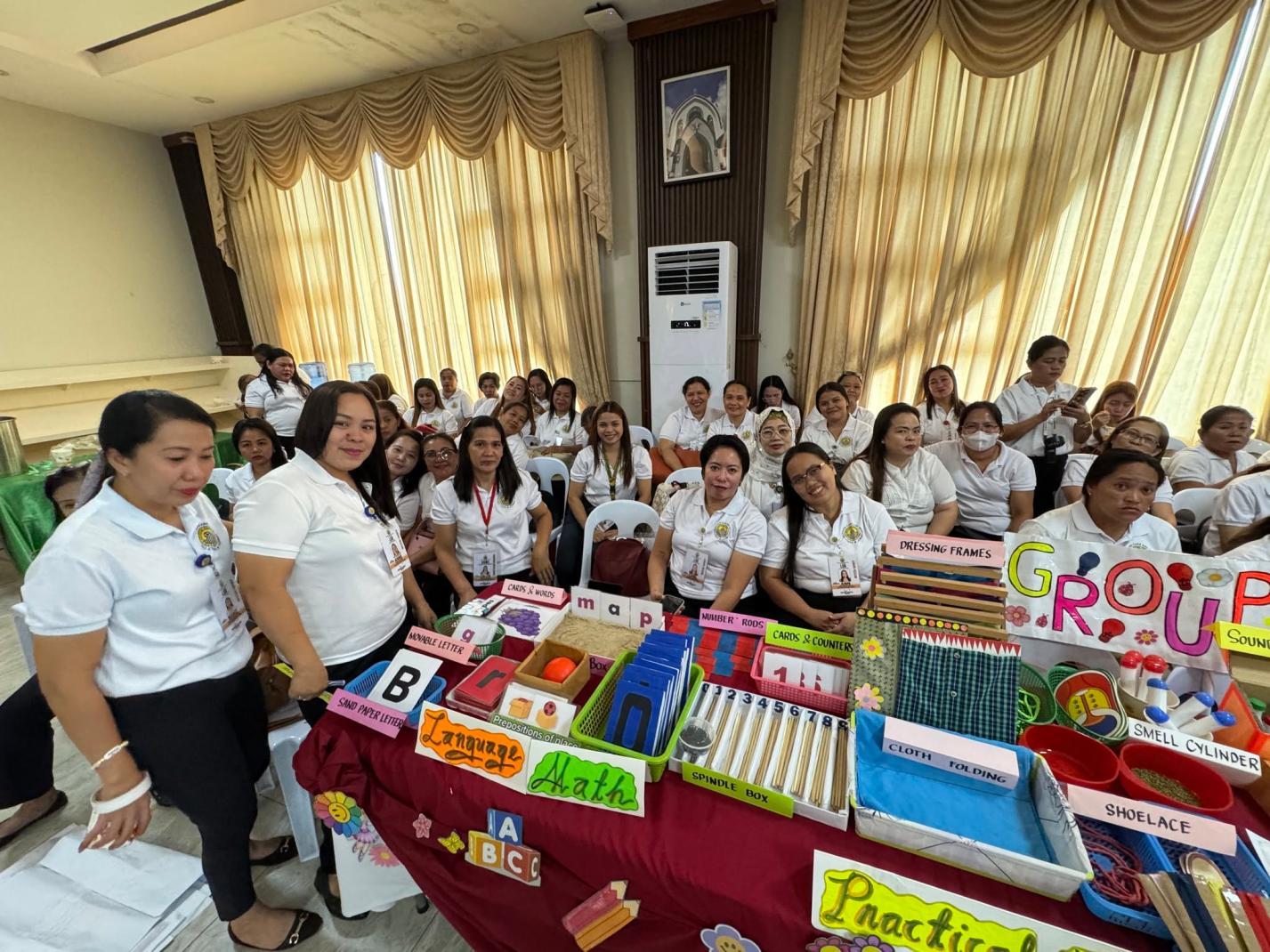
The second batch of 203 ECCD teachers with little or no prior Montessori exposure, underwent a Basic Montessori Training Program from June 1 to 13, introducing foundational principles, classroom application, and child-centered methodologies.
For CPMS President and Founder Marivic Bathan, the collaboration represents a rare alignment between education advocates and local government leadership, particularly in prioritizing early childhood development.
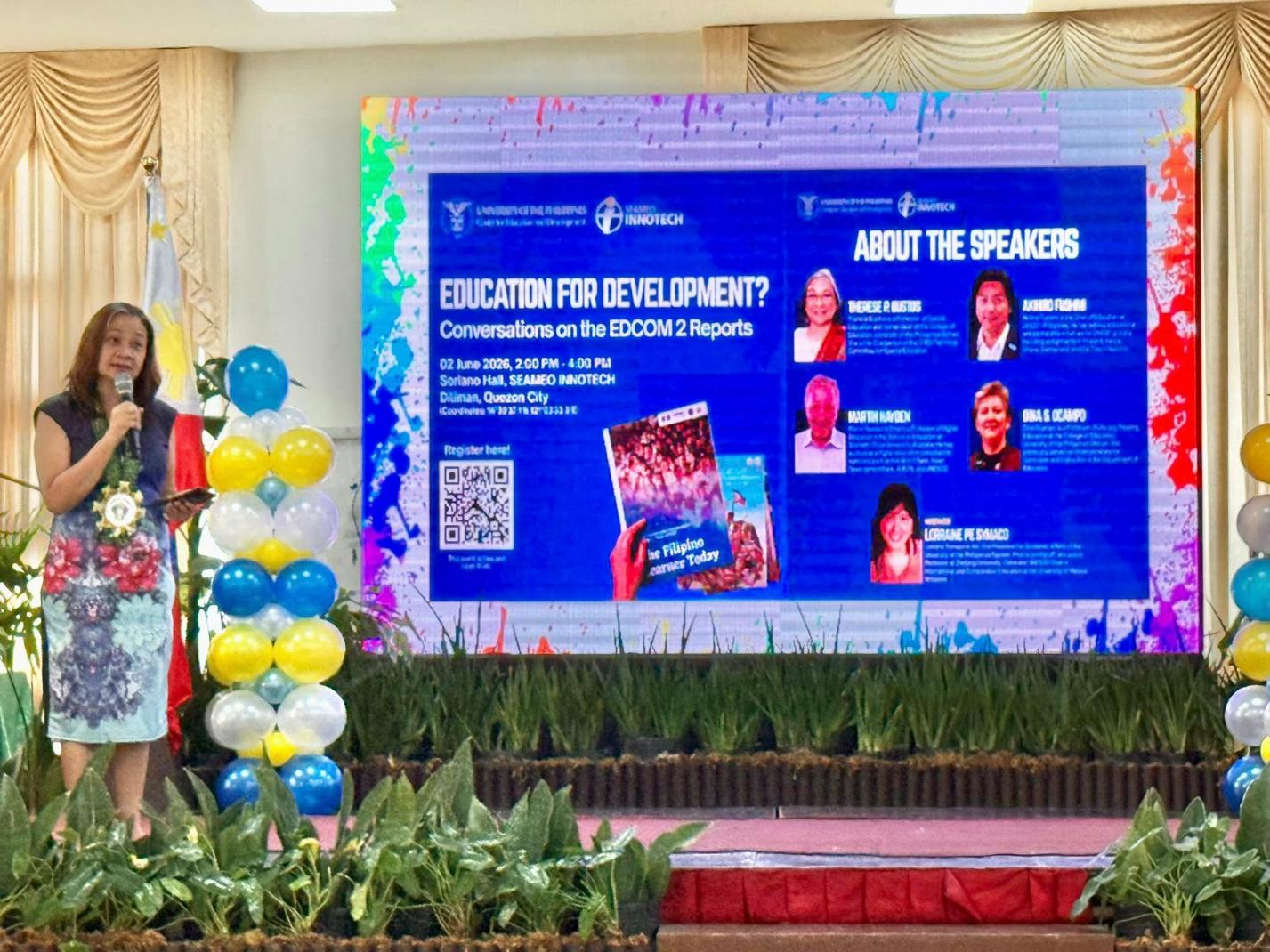
“This is very historic,” Bathan said. “We cannot readily find people in government who are so aligned with family and children. It is very fortunate for us that the city leadership understands that the window of opportunity to develop children is really during the first six years of life.”
CPMS described the program as a model of public-private partnership, where government provides institutional reach and resources, while the private sector contributes expertise and specialized training.
Bathan noted that the collaboration, which started in 2008, has now evolved into a structured mentorship and training system with post-evaluation components, and plans for continuity.
“This is how public-private partnerships should work,” she said. “Each brings something essential, and together we ensure that investment in education truly benefits children.”
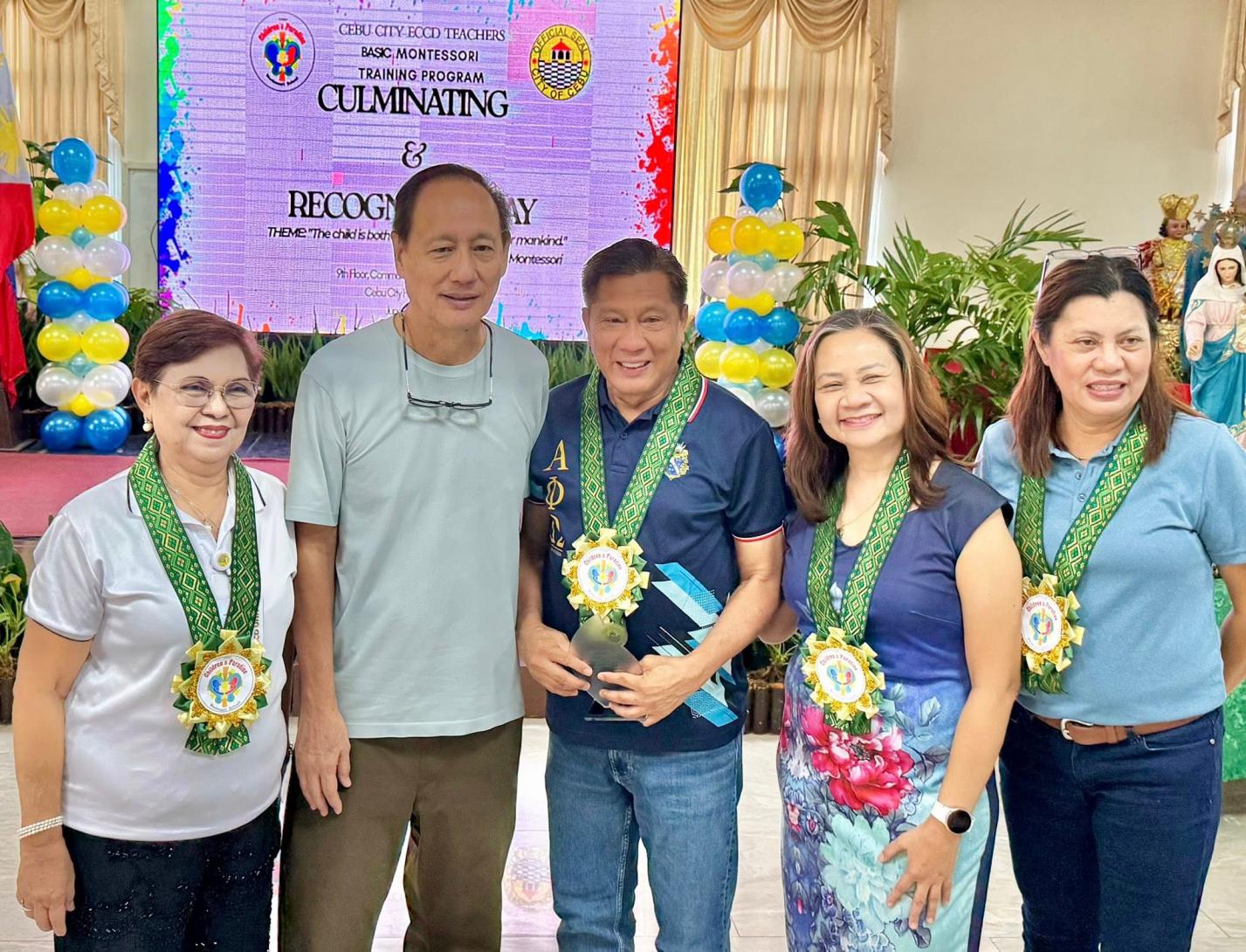
Bathan also highlighted the close collaboration with Cebu City ECCD Program Head Martha Ricablanca, whose leadership was pivotal to the success of the four‑week training.
Now in her 70s, Ricablanca coordinated and guided 260 ECCD teachers, ensuring the program’s smooth implementation.
Beyond methodology, CPMS emphasized the importance of preparing the “whole teacher.” The training integrated Montessori theory and practice with workshops on play therapy, non-violent communication, mental well-being, healthy living, environmental awareness, and organic gardening.
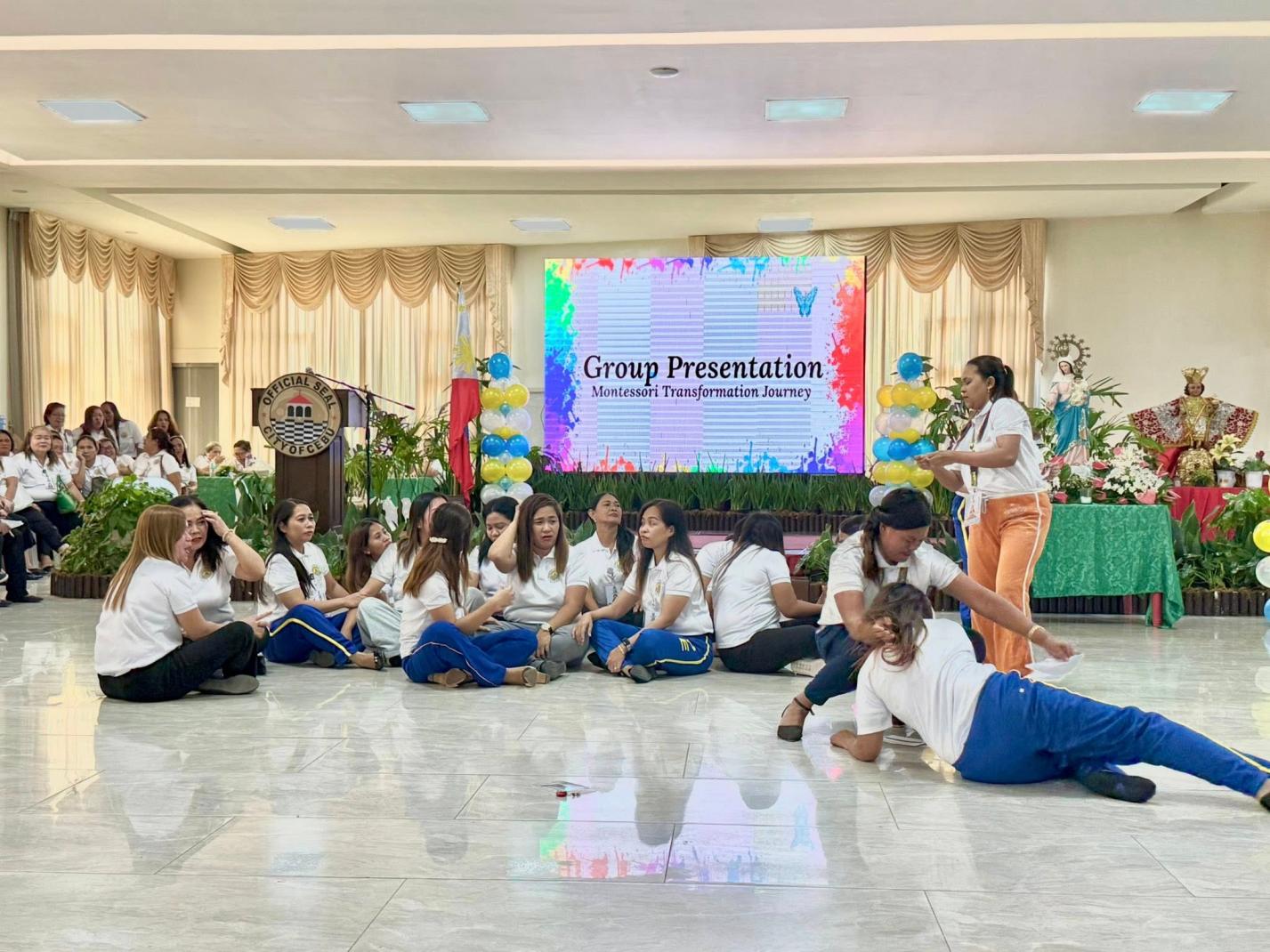
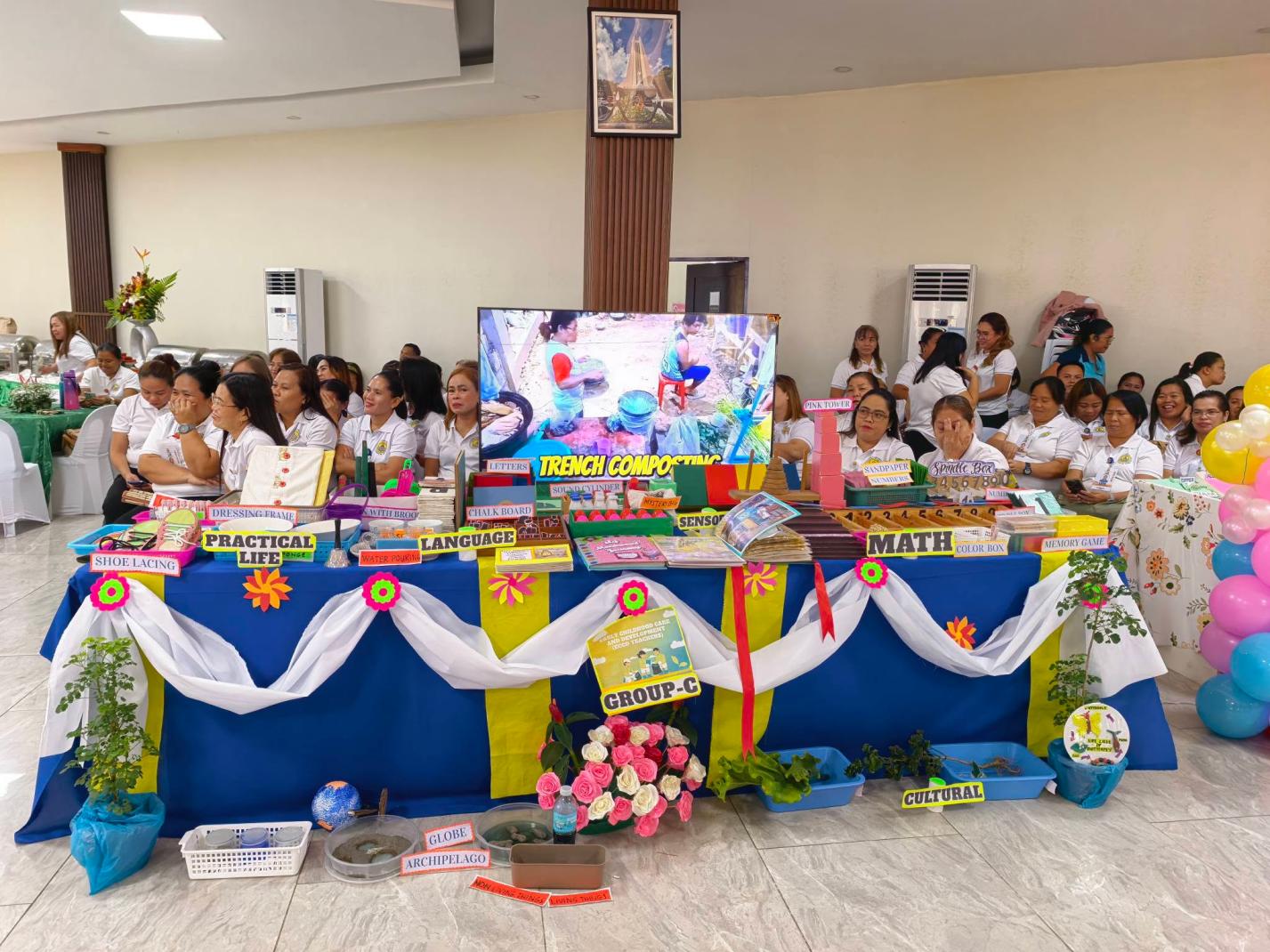
Teachers were also guided through experiential learning approaches when they created instructional materials that can be used in actual classrooms.
“The focus is really preparing the adult,” Bathan said, emphasizing the Montessori triad of the child, the prepared environment, and the prepared adult. “We wanted transformation to start from within the teachers themselves.”
She added that the program was designed not only to enhance skills but also to promote personal renewal and emotional resilience among educators.
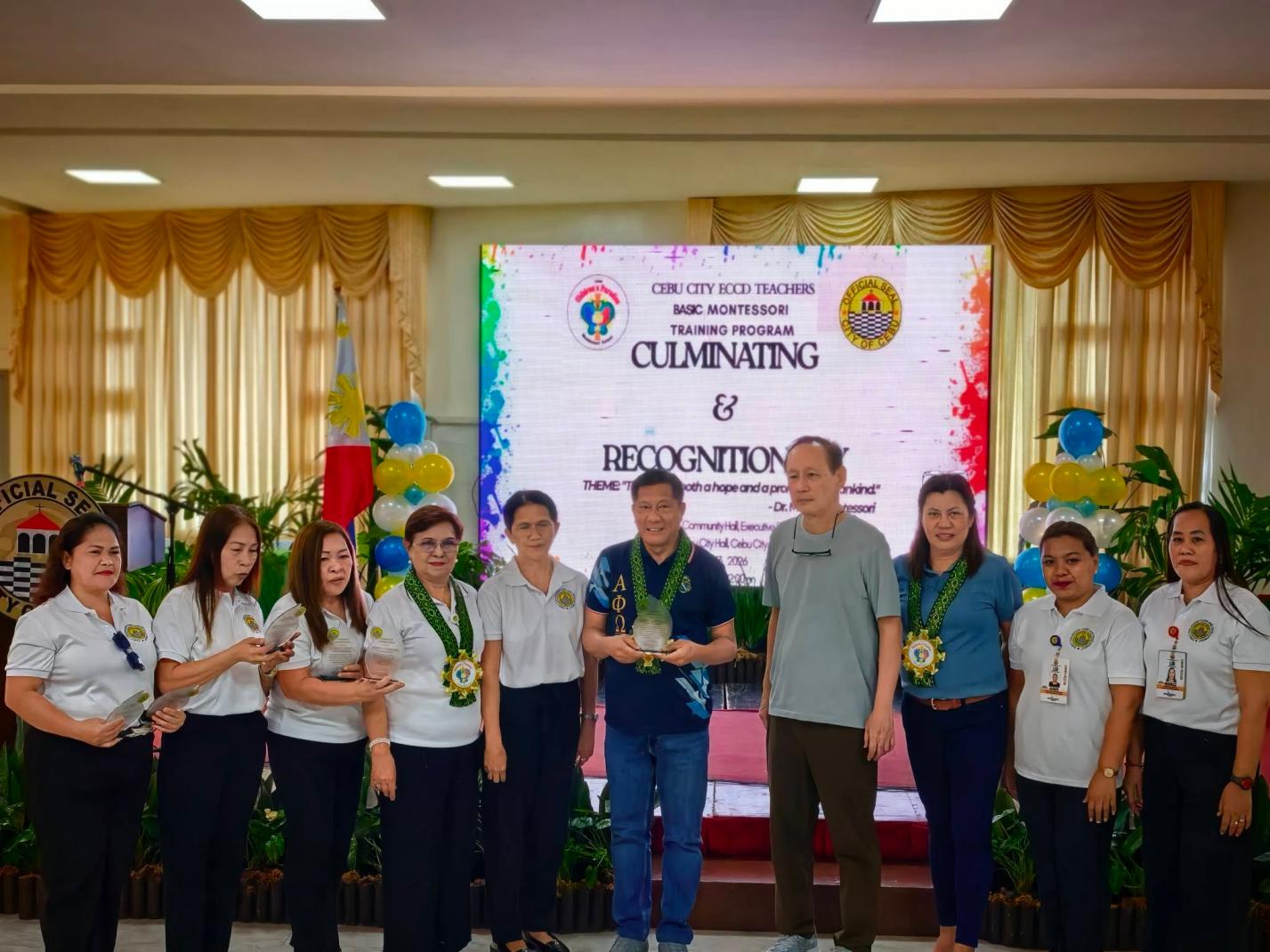
The convergence of ideas from government, educators, and training institutions reflects a shared vision for Cebu City’s ECCD system: one that prioritizes innovation, sustainability, and child-centered learning.
With the completion of the two batches, Cebu City’s Montessori initiative is expected to expand further through mentorship programs that will sustain classroom implementation across ECCD centers.
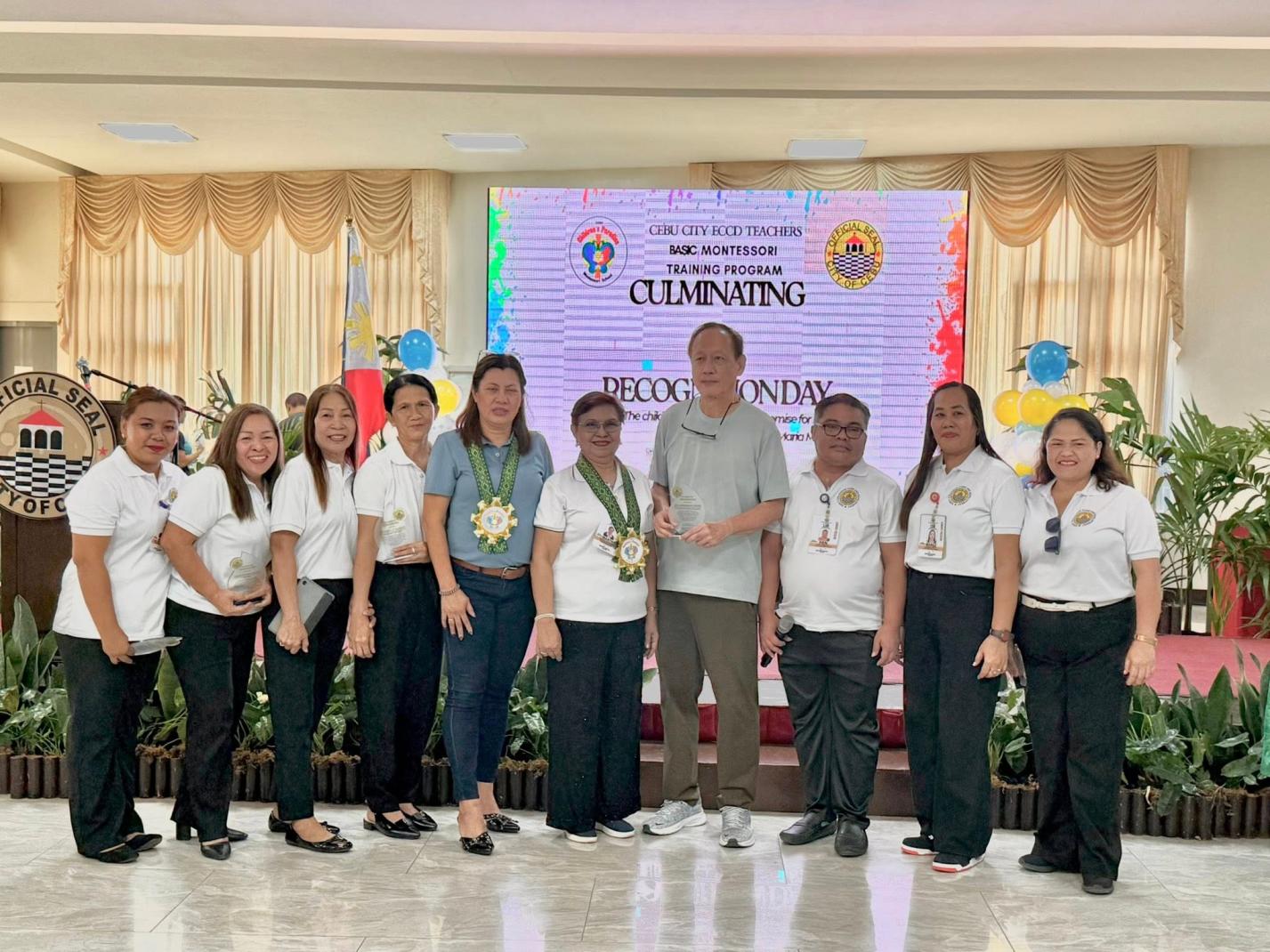
As the teachers received their certificates of completion, the real beneficiaries of the program remained at the heart of the celebration—the young children in Cebu City’s day care centers.
Equipped with new skills and a deeper understanding of child development, the teachers are expected to help shape a stronger foundation for the city’s future generations.