




IRENE SINO CRUZ
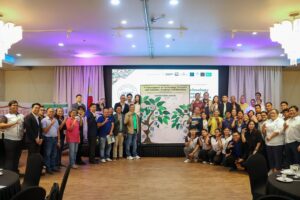
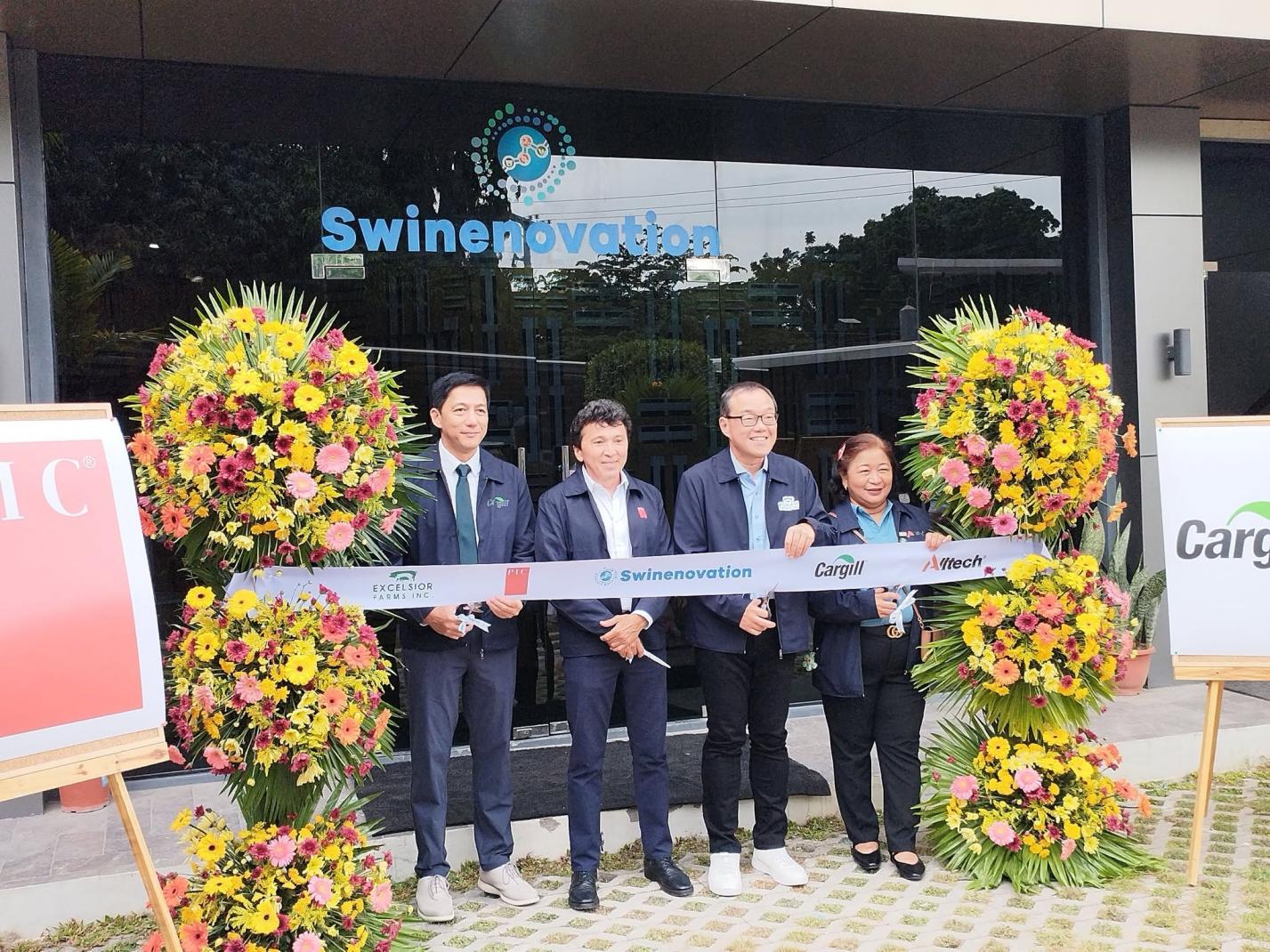
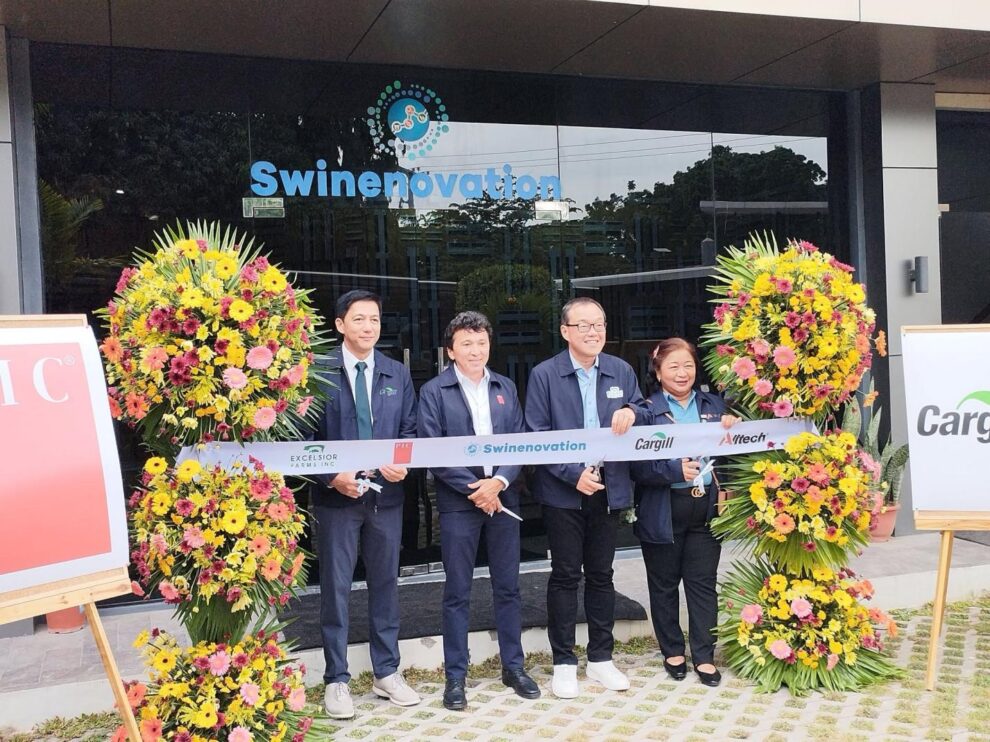
Excelsior Farms Inc. has reopened the Swinenovation Museum, a learning center designed to inspire young Filipinos to appreciate agriculture and encourage the use of modern, sustainable farming practices.
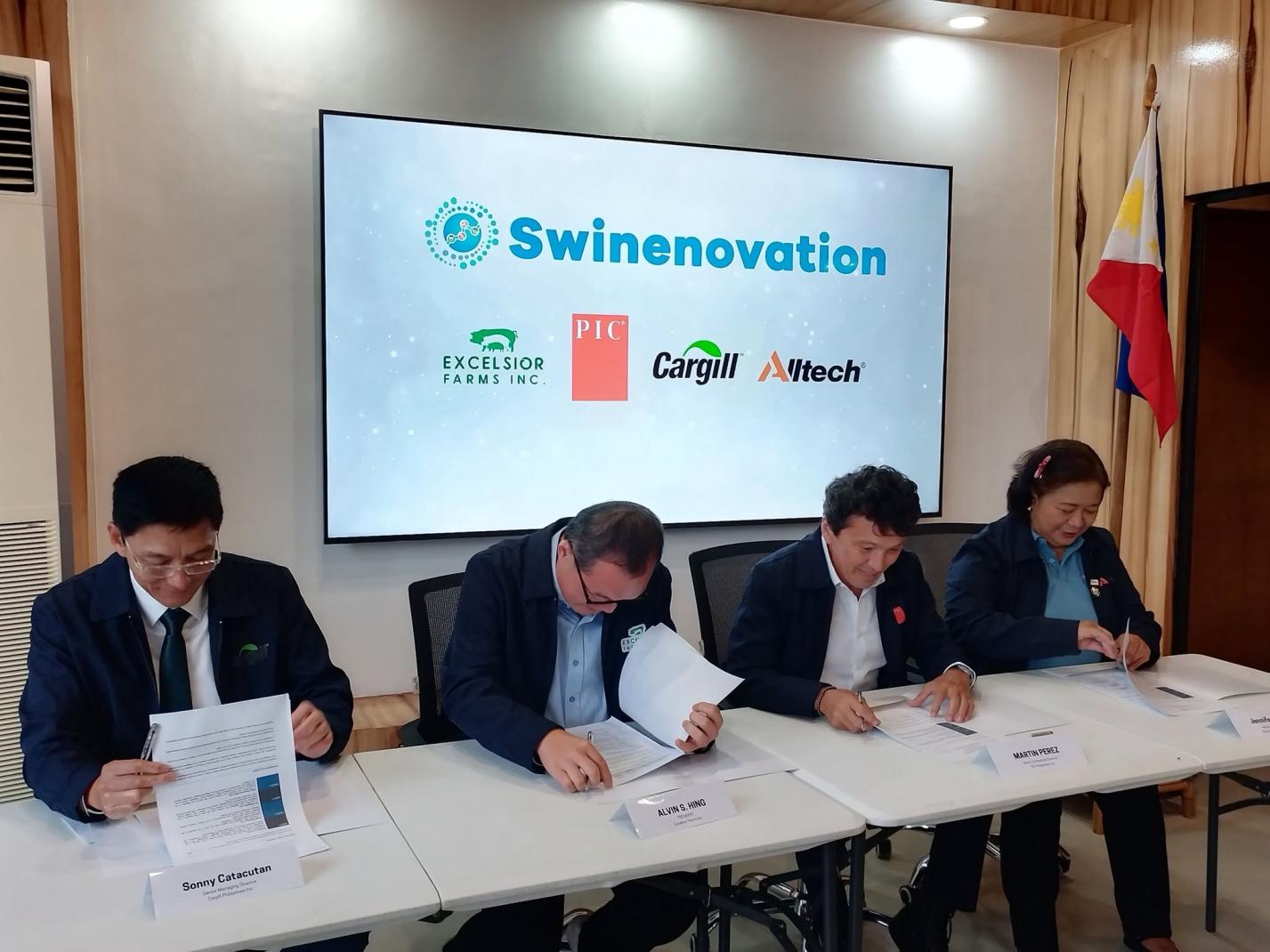
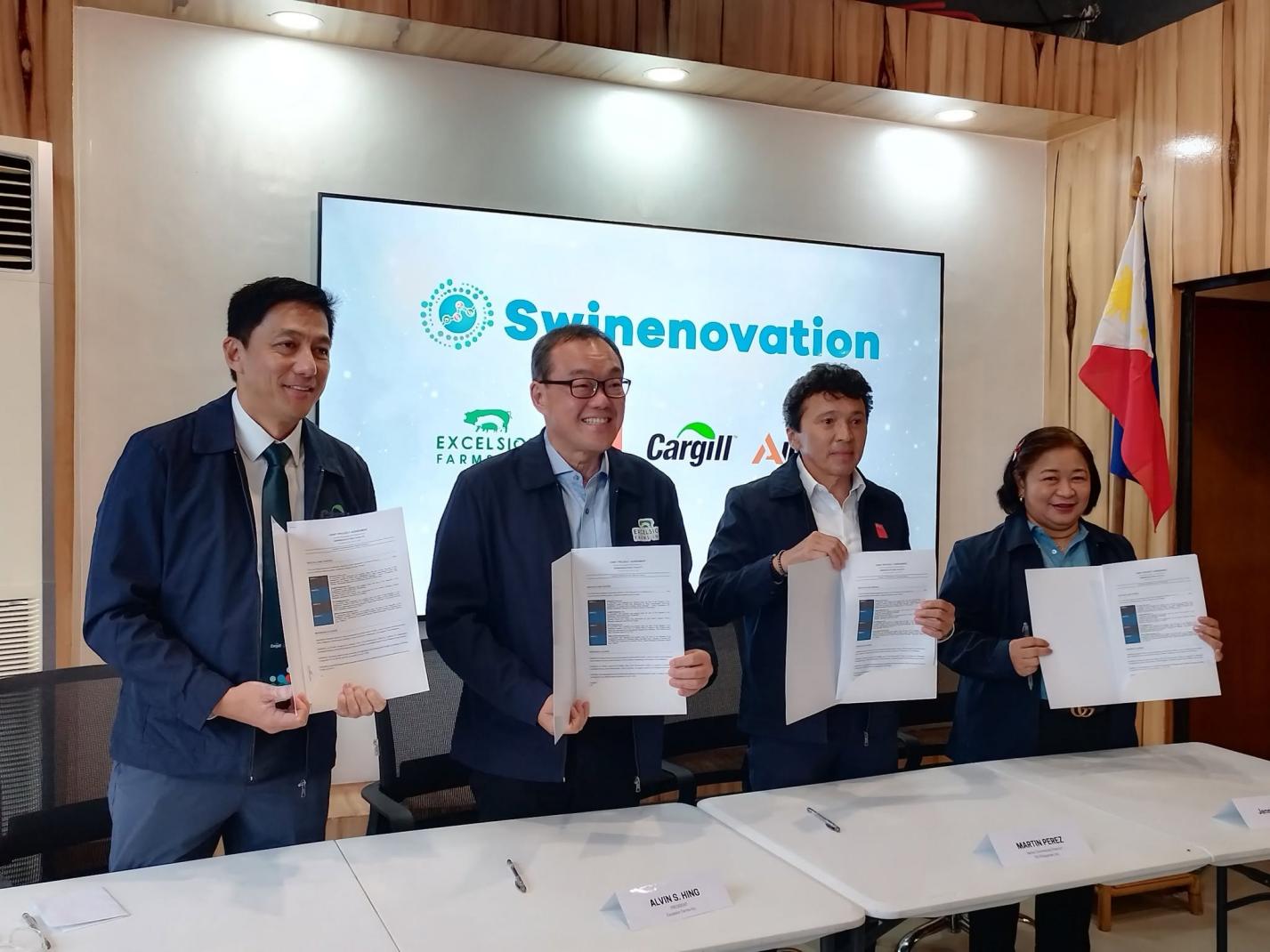
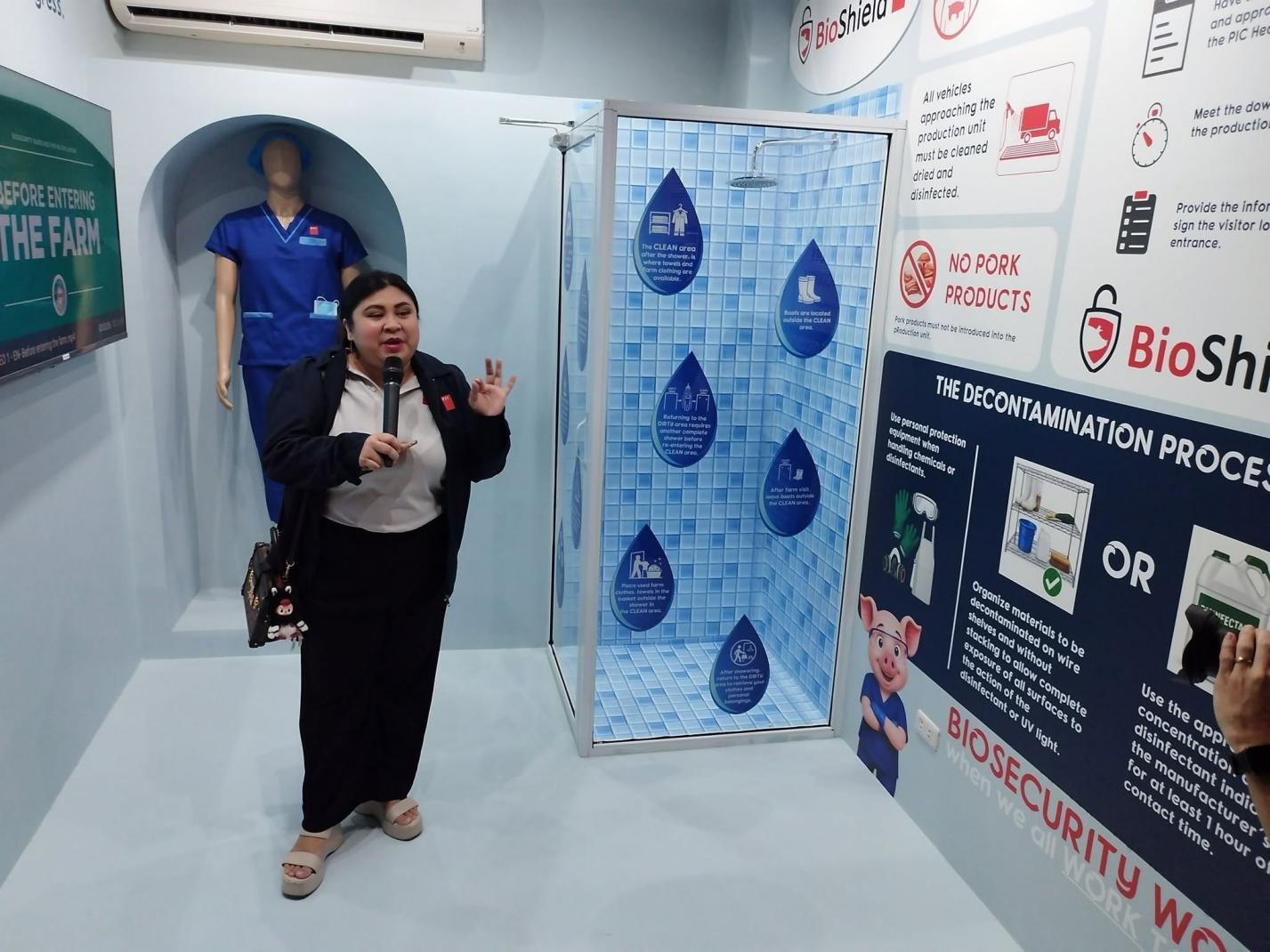
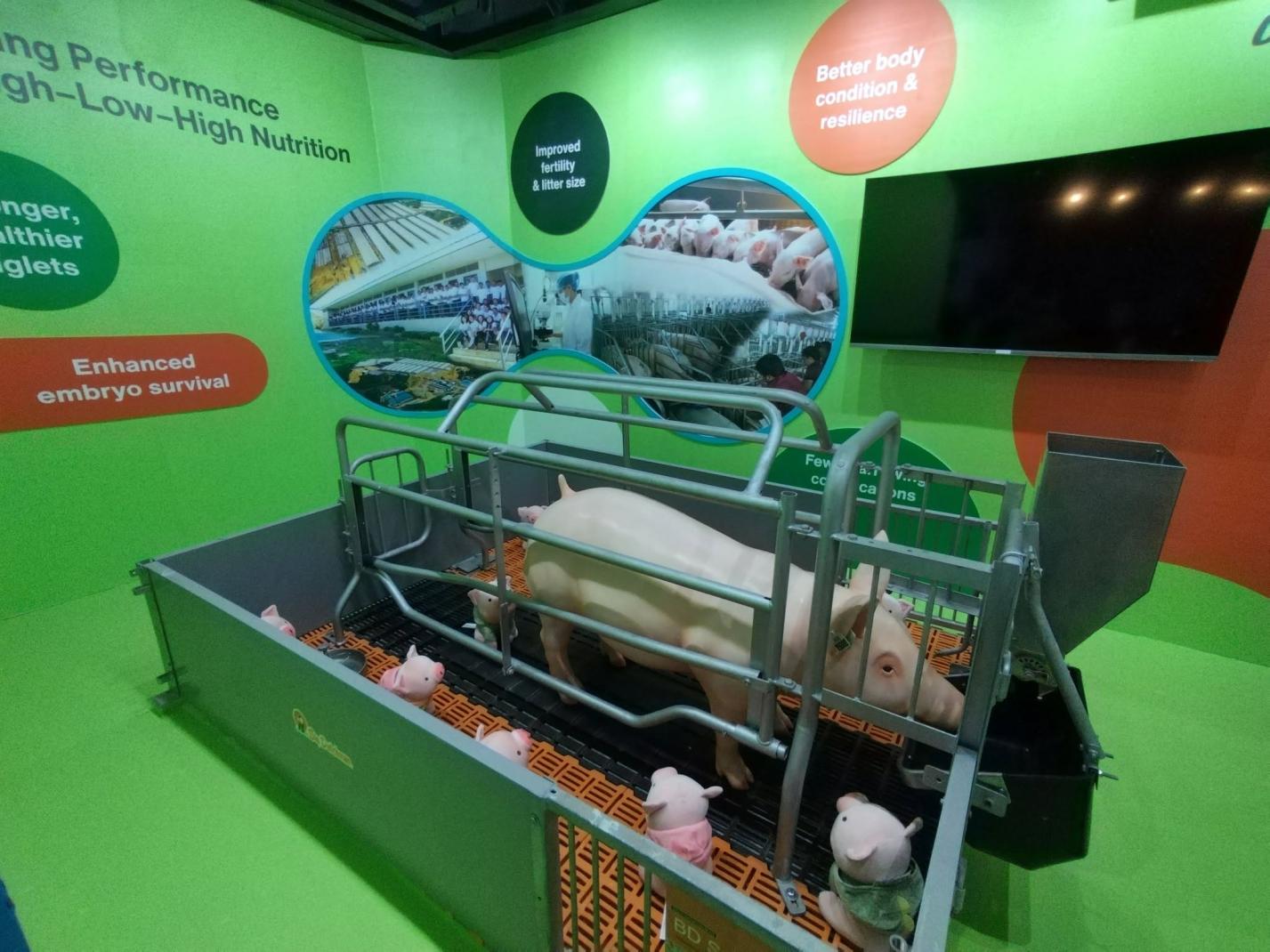
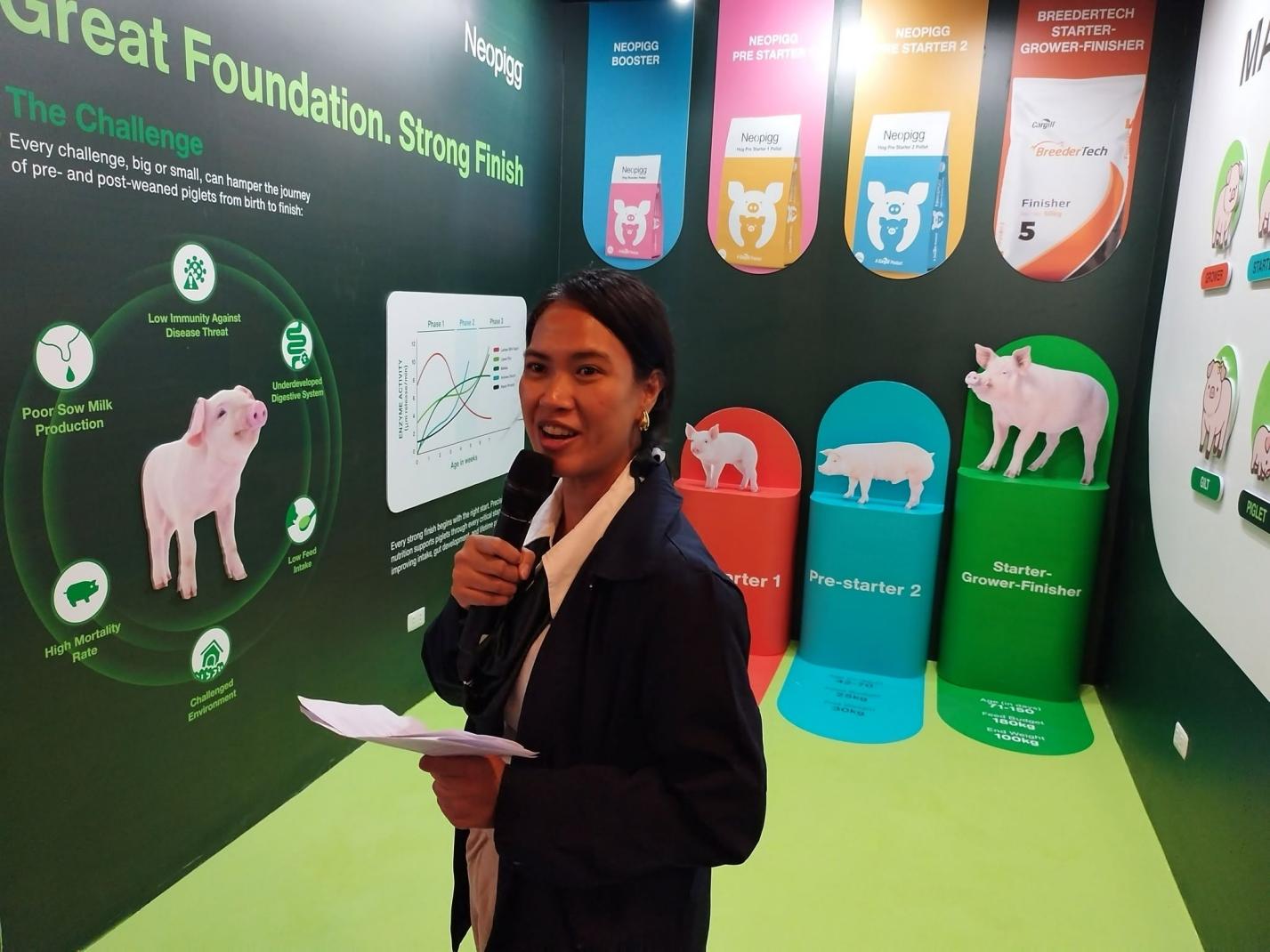
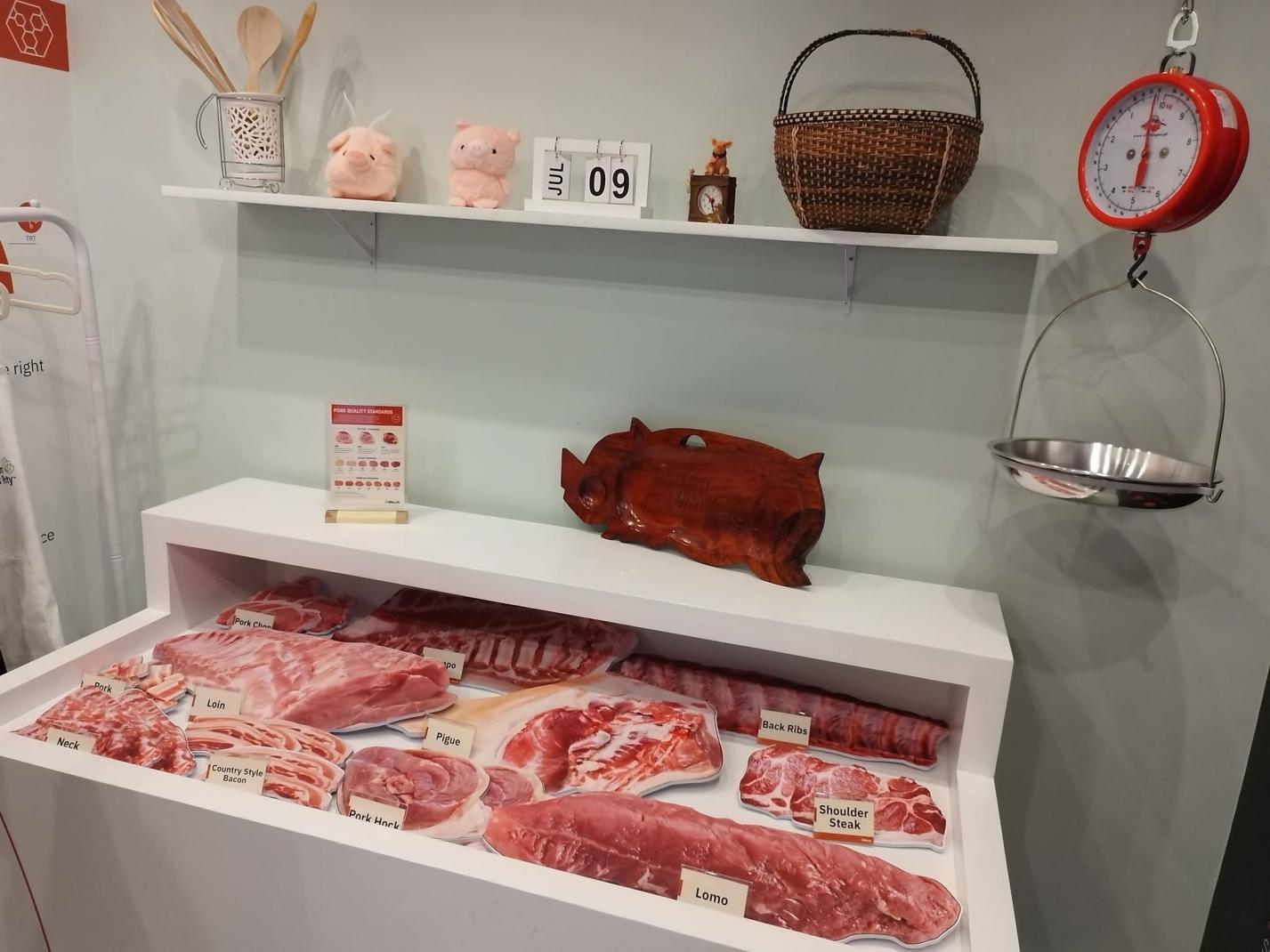
The museum, developed with Cargill Philippines Inc., PIC Philippines Inc. and Alltech Biotechnology Corp., aims to give students, farmers and industry stakeholders a better understanding of livestock production, food security and the role of innovation in agriculture. It showcases various aspects of swine raising from genetics to nutrition and bio-security.
For Excelsior Farms President Alvin Hing, the relaunch is more than the reopening of a learning facility.
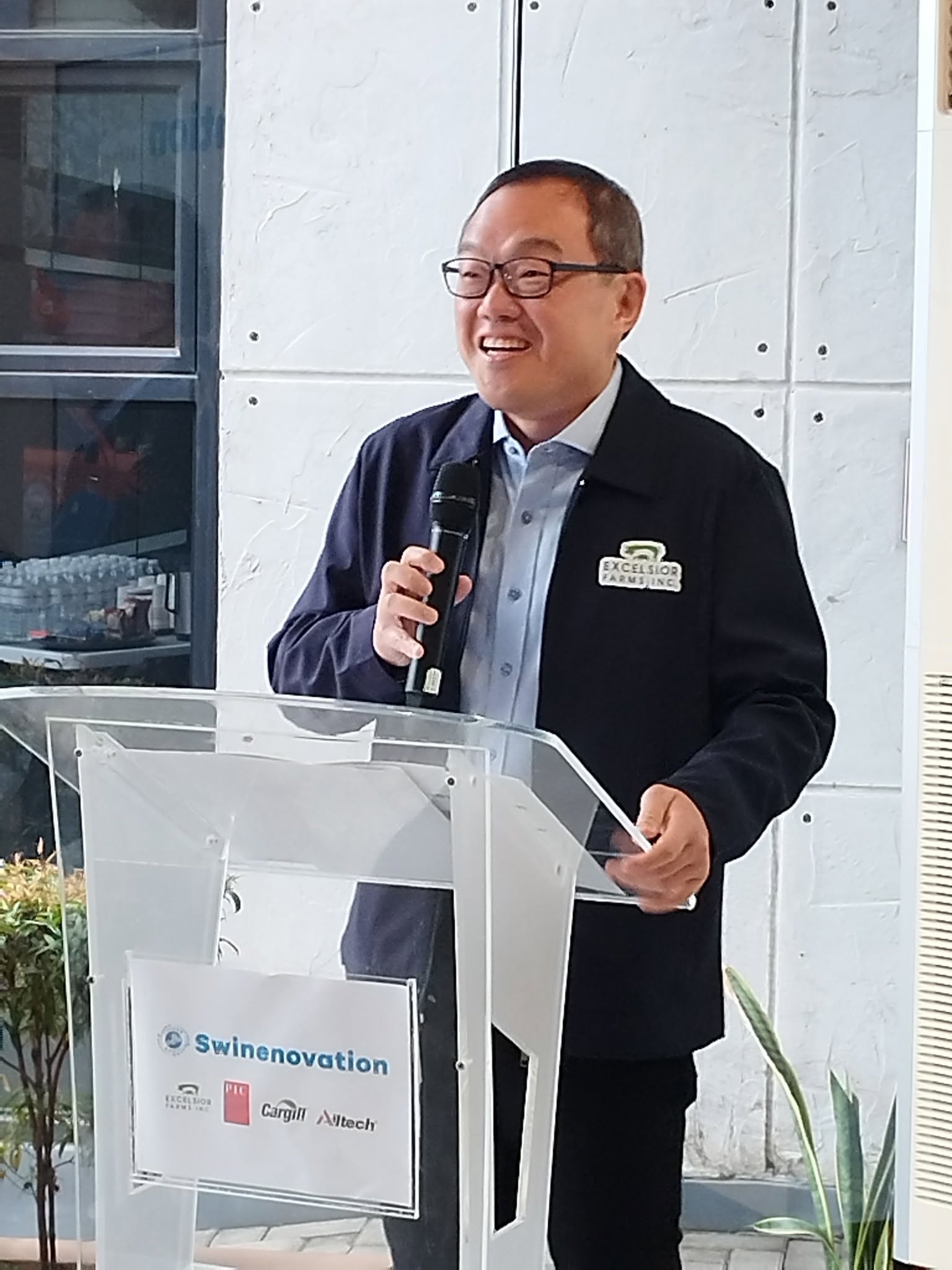
“It is about renewing our commitment to shape the future of the livestock industry,” Hing said.
He said the museum reflects the belief that farmers can build sustainable and successful businesses when they have access to the right technology, quality genetics and strong industry partners.
Hing thanked Excelsior’s partners, customers and supporters for helping make the project possible.
“Our responsibility goes beyond raising healthy animals,” he said. “Our true mission is to build a complete sustainable food ecosystem.”
He said the company continues to strengthen its farm-to-table model by investing in breeding, farming, processing, distribution and retail.
As part of that vision, Excelsior recently acquired Meatworld International Inc., owner of the 30-year-old Mrs. Garcia brand, which serves about 400 retail outlets nationwide. The acquisition allows the company to bring its products closer to Filipino consumers while completing more links in its food supply chain.
The company is also expanding its farming operations in Luzon while strengthening its existing farms. Hing said these investments reflect Excelsior’s confidence in Philippine agriculture and its commitment to helping ensure a stable food supply.
He said the company remains guided by three principles—people, planet and profit. “People” means investing in employees, farmers, partners and communities. “Planet” focuses on responsible farming and protecting natural resources. “Profit,” he said, enables businesses to continue creating jobs, investing in innovation and sharing value across the industry.
“This is not simply expanding our business,” Hing said. “It is about strengthening food security, empowering farmers, creating sustainable livelihoods and making safe, high-quality food more accessible to every Filipino family.”
Dennis Garcia, regional manager for the Philippines, Vietnam and Cambodia of Alltech, said the partnership came together because the companies share the same vision.
He said joining the Swinenovation Museum project was not originally planned, but discussions with Excelsior revealed that the companies were working toward the same goal—producing enough food for a growing population while protecting the environment.
“Our goals are aligned,” Garcia said. “We all want to make sure there is enough food for everyone, and we want to produce that food in a sustainable way.”
Garcia said the challenges facing the livestock industry cannot be solved by one company alone.
“We need to collaborate. We need to work together to overcome these challenges and make sure there is enough food for everyone,” he said.
He described the partnership behind the museum as proof that collaboration is essential to building a stronger and more resilient livestock industry.
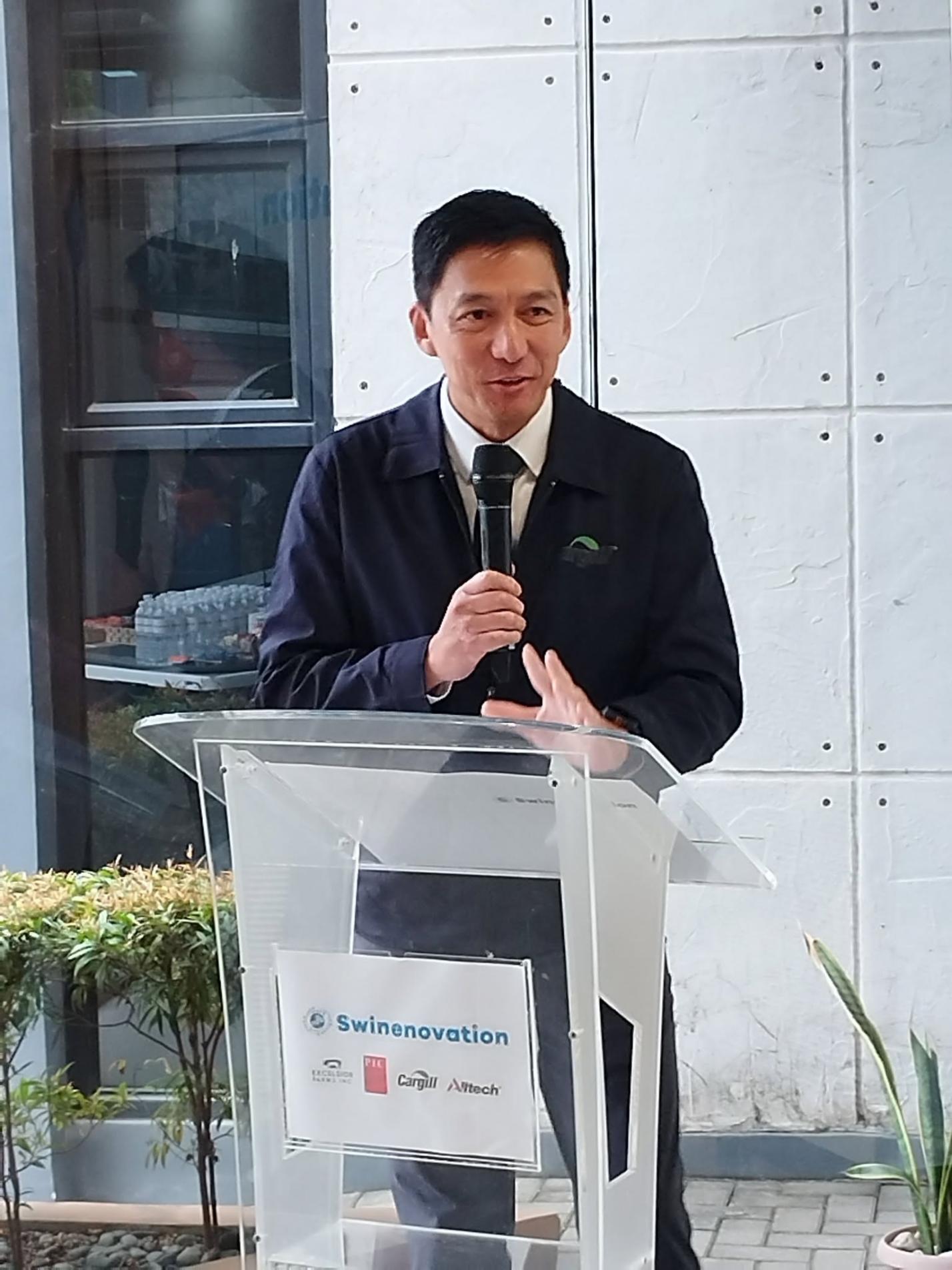
For Sonny Catacutan, senior managing director of Cargill Philippines Inc., the Swinenovation Museum is more than a place that preserves the industry’s history.
He said it should become a source of knowledge for today’s farmers and a source of inspiration for tomorrow’s.
“Our advocacy is modern farming,” Catacutan said. “We want this museum to inspire the next generation.”
He said feeding a growing population has become more challenging due to rising costs and limited resources. Even so, he believes farmers can succeed while helping feed the country.
“Making farmers successful and feeding the nation should not be a choice between one or the other,” he said. “We can do both.”
According to Catacutan, innovation allows farmers to produce more while using resources more efficiently. He also stressed the importance of partnerships among organizations that share the same commitment to improving agriculture.

Martin Perez, PIC South and East Asia Region Director,, said sustainable pork production begins with good genetics. He said the swine industry has faced many challenges in recent years, including disease outbreaks, making innovation even more important.
“It takes commitment from companies like Excelsior to invest in the production of an important source of protein for the country,” Perez said.
He explained that PIC helps farmers by improving pig genetics through natural selection and technology, allowing animals to grow more efficiently and produce pork sustainably.
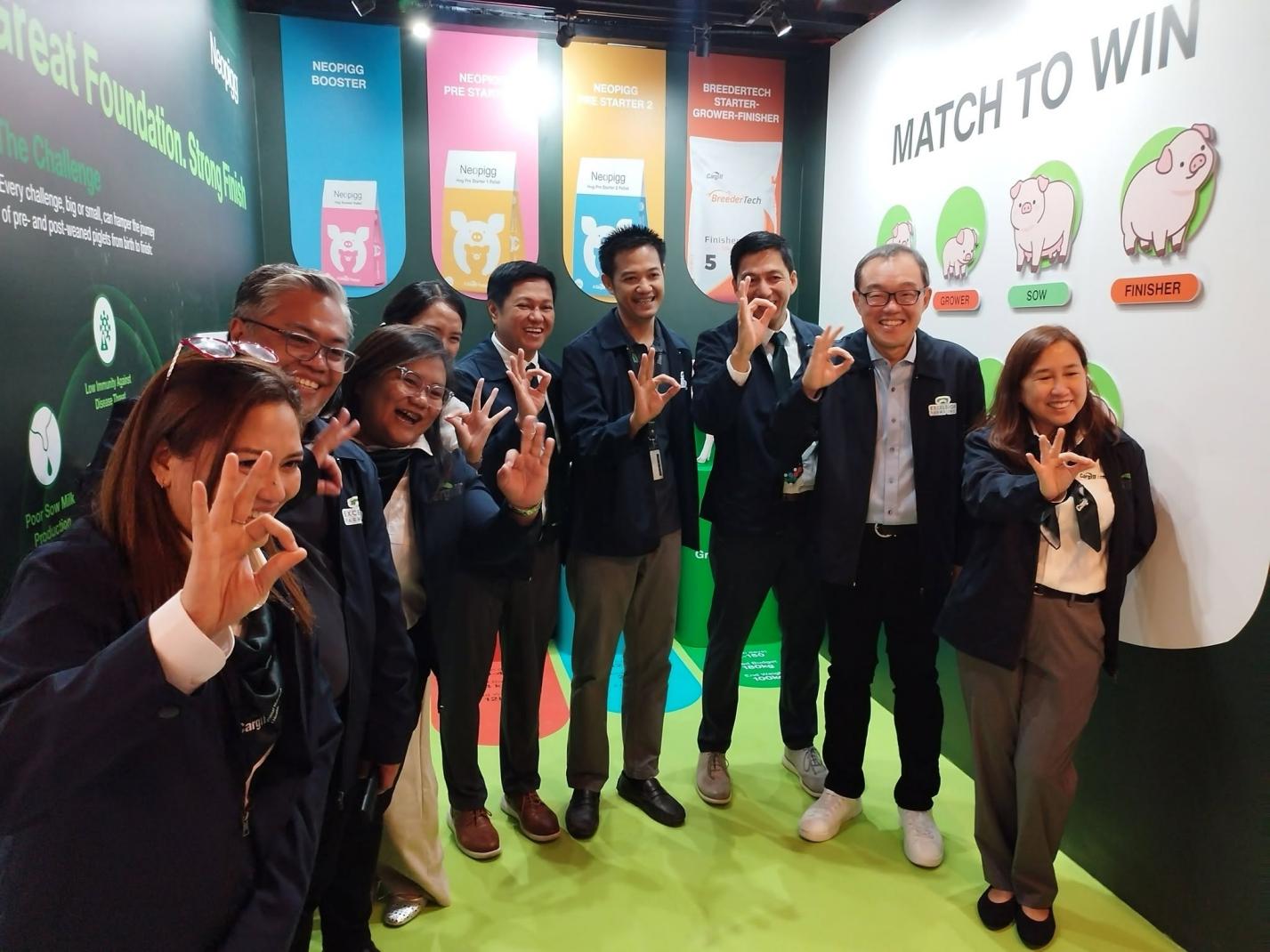
The company supplies breeding animals and genetics to producers like Excelsior, which then reproduce and distribute them to farms across the Philippines.
Perez said PIC has operated in the country for several decades and is strengthening its support for local producers as the Philippine swine industry continues to modernize.
“The Philippines is our home market in Southeast Asia,” he said. “We are committed to supporting producers with knowledge and technology so they can succeed.”
The Swinenovation Museum reflects that shared commitment. Beyond showcasing advances in livestock production, it serves as a learning center that encourages young people to see agriculture as a field driven by science, innovation and collaboration.
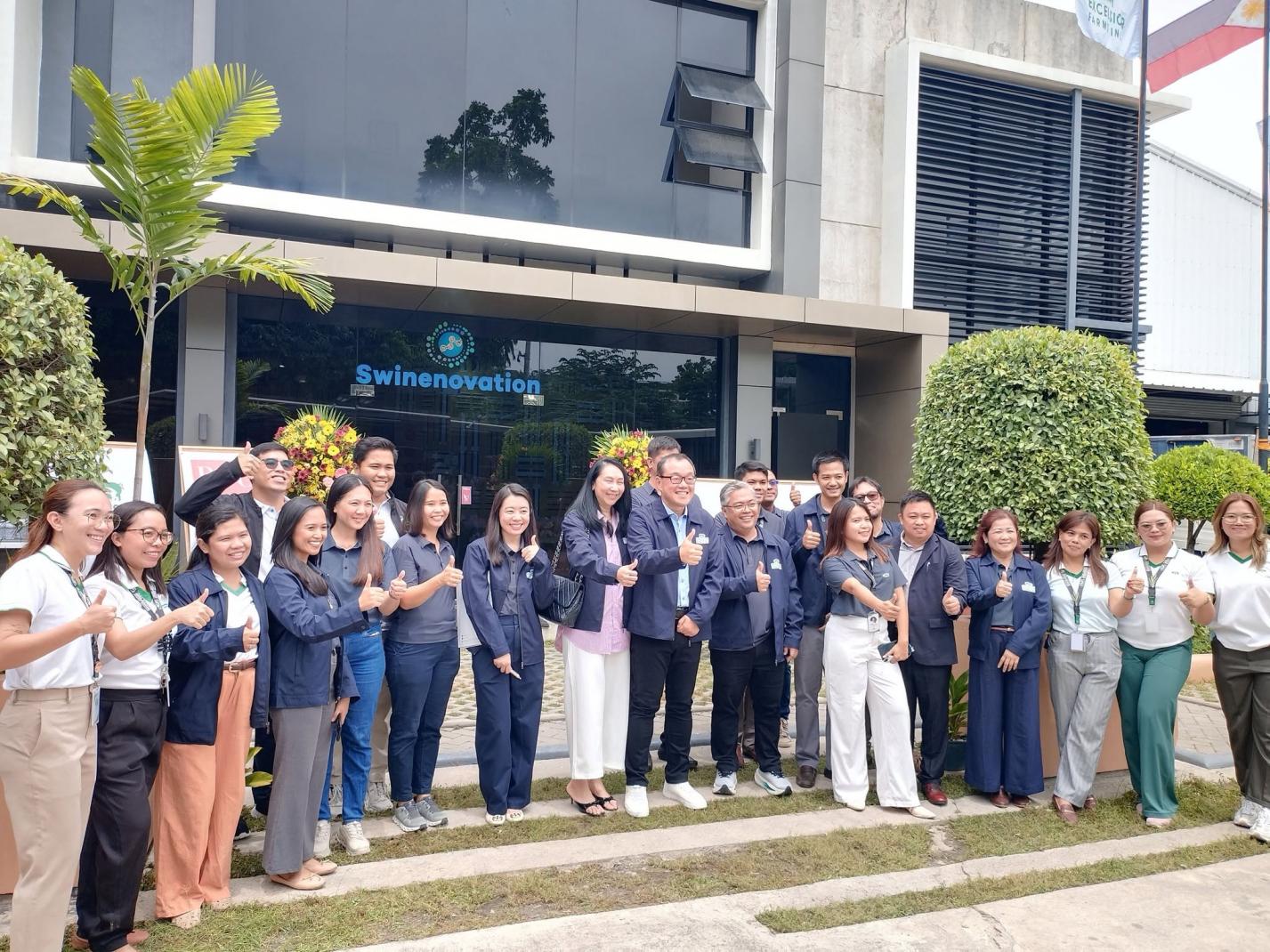
Closing the ceremony, Hing called on partners across the industry to continue working together to build a stronger agricultural sector and a more secure food future for the country.
“As we move forward together,” Hing said, “let us continue building a stronger and more sustainable future for Filipino agriculture.”